
Overview of Streaming Video Production
Streaming video production has become an integral component for organizations and content creators aiming to deliver high-quality live and on-demand content over the internet. This process involves a sequence of carefully coordinated activities designed to capture, produce, and broadcast video content that engages audiences in real-time or for later viewing. In today’s digital landscape, the impact of professional streaming extends across various sectors, including corporate communications, entertainment, education, and events.
For businesses in Miami, streaming video production offers a powerful avenue to reach local, national, and international audiences effectively. It provides a platform to showcase products, host virtual conferences, deliver training sessions, and facilitate interactive engagements. The significance of reliable, visually appealing, and technically sound streams is underscored by an ever-growing demand for high-quality content that can cut through the digital noise and foster meaningful connections.
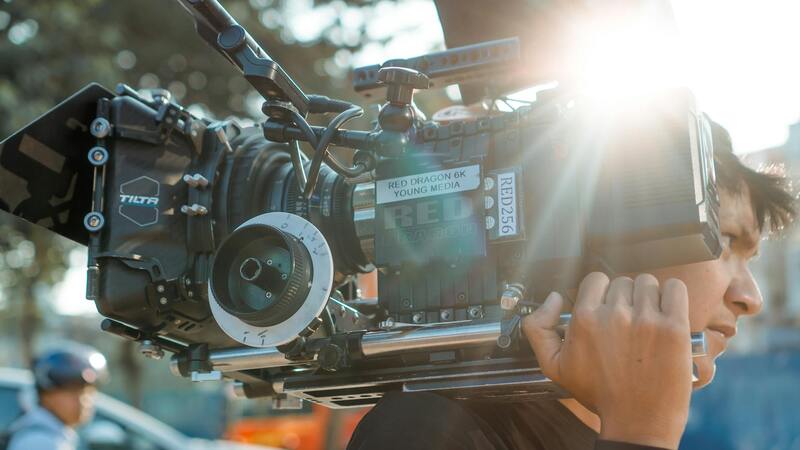
Modern streaming production combines various technical aspects, from video and audio capture to live encoding, network management, and content distribution. Businesses and content creators depend on this multifaceted approach to ensure smooth broadcasts that captivate audiences and elevate brand experiences. As live streaming becomes increasingly prevalent, the importance of professional production standards grows, emphasizing clarity, stability, and visual fidelity.
The proliferation of streaming platforms and the ease of access to advanced technology have democratized content creation, yet achieving superior quality still requires expertise and specialized equipment. A comprehensive understanding of streaming video production's scope enables Miami-based organizations to leverage its full potential, ensuring their message resonates powerfully across digital channels.
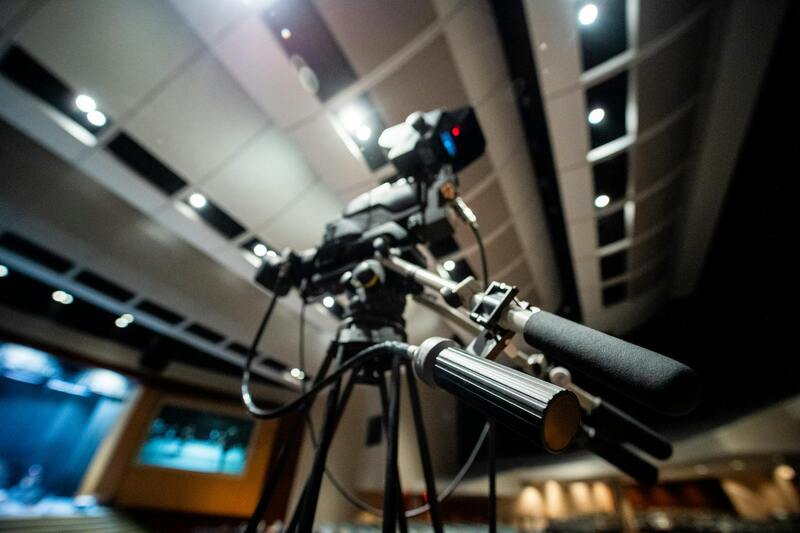
In addition to technical mastery, successful streaming relies on meticulous planning, audience engagement strategies, and a thorough grasp of production workflows. Whether for a corporate event or a creative content series, establishing clear goals and aligning production elements with audience expectations results in impactful broadcasts that foster growth and brand recognition.
Understanding the nuances of streaming video production not only enhances content quality but also maximizes the return on investment by reaching wider audiences more effectively. As the demand for real-time content continues to escalate, mastering the fundamentals of this field becomes essential for organizations in Miami seeking to stand out in a competitive digital environment.
Key Equipment and Technology in Streaming Video Production
Executing a seamless live stream in Miami demands access to a range of reliable, high-quality equipment and technology. From capturing crisp visuals to ensuring smooth transmission, each component plays a pivotal role in delivering a professional viewing experience.
- Cameras: Professional-grade cameras are fundamental for capturing high-resolution footage. Options range from PTZ (pan-tilt-zoom) cameras, suitable for remote operation in dynamic environments, to traditional shoulder-mounted units for more expansive shots. In live streaming settings, cameras with high sensor sensitivity and fast autofocus capabilities ensure sharp visuals even in low-light conditions.
- Encoding Devices: Encoders are critical for converting raw video signals into digital formats compatible with streaming platforms. Hardware encoders provide low latency and higher reliability, essential for real-time broadcasting. Software encoders, often integrated into streaming software, allow for greater flexibility and on-the-fly adjustments, especially useful in short-notice live events.
- Streaming Platforms and CDN: Selecting a robust streaming platform that integrates seamlessly with content management systems ensures stable delivery to viewers. Content Delivery Networks (CDNs) distribute streams across global servers, reducing buffering and lag, and enhancing viewer experience.
- Audiovisual Switchers and Monitors: Multi-camera setups require switchers that enable operators to seamlessly transition between feeds, add graphics, or overlay text. Complemented by high-definition monitors, these tools allow real-time management and quality assurance.
- Audio Equipment: High-quality microphones, mixers, and wireless audio systems are indispensable for clear sound. Acoustic treatments and sound engineers can further optimize audio clarity, avoiding distractions caused by background noise or echo.
- Lighting Systems: Optimal lighting setups, including LED panels and diffusers, ensure that subjects are well-lit, minimizing shadows and distortion, which is vital for producing visually appealing content.
Implementing the latest technological advancements, such as 4K broadcasting capabilities and adaptive bitrate streaming, equips Miami-based content creators and organizations with the tools they need to deliver engaging, professional-quality streams. The choice of equipment should align with the nature of the event, the expected audience size, and the specific goals of the broadcast, ensuring a tailored approach that maximizes impact.
Modern Trends and Technological Innovations in Streaming Video
Keeping pace with industry developments is crucial for maintaining a competitive edge in Miami’s dynamic digital landscape. Recent innovations include:
- 4K and HDR Streaming: Enhanced resolution and color accuracy provide viewers with a more immersive experience, particularly effective for high-end marketing events and creative content.
- Cloud-Based Streaming Solutions: Cloud platforms facilitate scalable, flexible streaming workflows, making it easier to manage large events or multiple simultaneous broadcasts without the need for extensive onsite infrastructure.
- Interactive Live Streams: Features such as real-time chat, polls, and augmented reality overlays foster greater viewer engagement and interaction during broadcasts.
- AI-Powered Production Tools: Artificial intelligence enhances video editing, scene switching, and captioning, reducing the operational burden and increasing production quality.
- IPv6 and Network Optimization: Upgrading network infrastructure ensures higher bandwidth availability and reduces latency, resulting in smoother streams and broader reach.
Adapting to these trends allows Miami organizations to maximize viewer engagement, improve production quality, and stay ahead in a rapidly evolving digital environment. As technology continues to advance, integrating innovative tools into streaming workflows remains essential for achieving professional standards and delivering compelling content.
Setup and Technical Execution
Seamless technical setup is the backbone of a successful streaming video production. Prior to going live, meticulous planning of the technical infrastructure ensures smooth broadcasting, minimizes disruptions, and maximizes viewer engagement. This process involves configuring an array of devices, selecting appropriate streaming protocols, and establishing reliable network conditions.
Network Optimization
Ensuring a robust internet connection is essential. High-bandwidth, wired connections are preferred to reduce latency and avoid interruptions. Backup network options, such as secondary internet connections, can provide fail-safes during unforeseen disruptions. Adaptive bitrate streaming automatically adjusts video quality based on network conditions to maintain a consistent viewer experience, ensuring smooth playback regardless of internet fluctuations.
Video and Audio Equipment
The quality of visual content depends heavily on professional-grade cameras capable of capturing high-definition or 4K footage. Camera placement and lighting are critical to achieving optimal image clarity and color accuracy. Clear audio, essential for viewer comprehension and engagement, requires the use of high-quality microphones, audio mixers, and soundproofing where necessary. Supplementary equipment like wireless transmitters and multiple camera angles can enrich the production's visual appeal.
Encoding and Streaming Software
Encoding devices or software convert raw footage into stream-compatible formats. Hardware encoders provide high reliability for large-scale events, whereas software options like OBS Studio or vMix offer flexibility and ease of use for smaller productions. Selecting the appropriate platform for streaming—whether directly to social media, dedicated CDN services, or custom servers—depends on the target audience and broadcast complexity.
High-quality cameras and streaming hardware setup for professional broadcasts Testing and Rehearsals
Before the live event, conducting comprehensive tests minimizes technical risks. These include checking internet stability, audio-visual synchronization, latency, and overlay visuals. Rehearsals simulate the actual broadcast, allowing technicians and hosts to identify potential issues and streamline workflows, thereby ensuring a flawless presentation during the actual event.
Implementation of Interactive Tools
Incorporating real-time engagement features enhances viewer interaction. Live chat moderation, integrated polls, and augmented reality effects can foster dynamic participation. Adequate staff or automated moderation systems should be in place to manage high viewer volumes and maintain content quality.
Setup and Technical Execution
Implementing a robust streaming environment requires meticulous attention to technical details that ensure a seamless broadcast experience. Camera placement should be optimized to capture the most engaging angles, with stable mounts and professional lenses that deliver sharp visuals even in varying lighting conditions. Adequate lighting setups, including key, fill, and backlights, ensure subjects are clearly visible and colors are accurately rendered, contributing to a visually appealing production.
Sound quality remains paramount in delivering a professional streaming experience. Use high-quality microphones suited to the environment—lapel mics for individual speakers, shotgun mics for general capture, and ambient microphones to gather surrounding sounds. Soundproofing the recording space minimizes external noise interference, while audio mixers allow real-time adjustments to volume levels and sound quality.
Reliable internet connectivity underpins successful streaming operations. A wired Ethernet connection is preferred over Wi-Fi for its stability and consistent bandwidth. If wireless is unavoidable, ensure the network can support high bandwidth demands with minimal latency and packet loss. Backup internet options, such as mobile hotspot devices, should be ready to mitigate unforeseen outages.
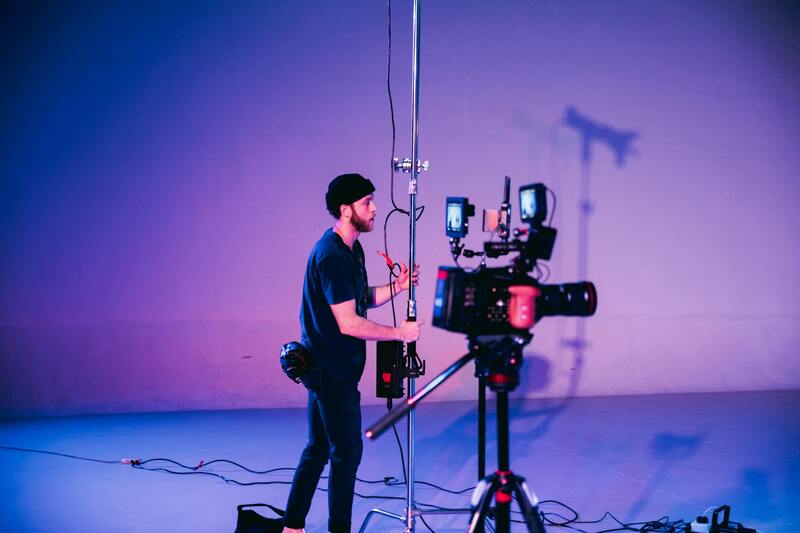
Optimized setup of cameras, lighting, and sound equipment for professional streaming Proper configuration of streaming hardware, including encoders, switches, and monitors, guarantees smooth data flow and real-time quality assessment. Testing all components before the live event prevents technical setbacks, and creating a detailed checklist ensures that each element is accounted for before going live.
Another essential aspect is camera operation. Skilled camera operators, trained in framing, focus, and movement, capture compelling visuals that engage viewers. Established communication channels between camera operators, directors, and technical staff are necessary for coordinated scene transitions and on-the-fly adjustments.
Setup and Technical Execution
Implementing a seamless streaming video production requires meticulous attention to setup and technical details. Optimal configuration of servers, streaming encoders, and network infrastructure ensures high-quality output and minimal latency. It is essential to select encoders that support the desired streaming protocols, such as RTMP or SRT, to facilitate flexible, resilient transmission. Proper calibration of bitrate settings balances video quality with bandwidth limitations, preventing buffering issues during live broadcasts.
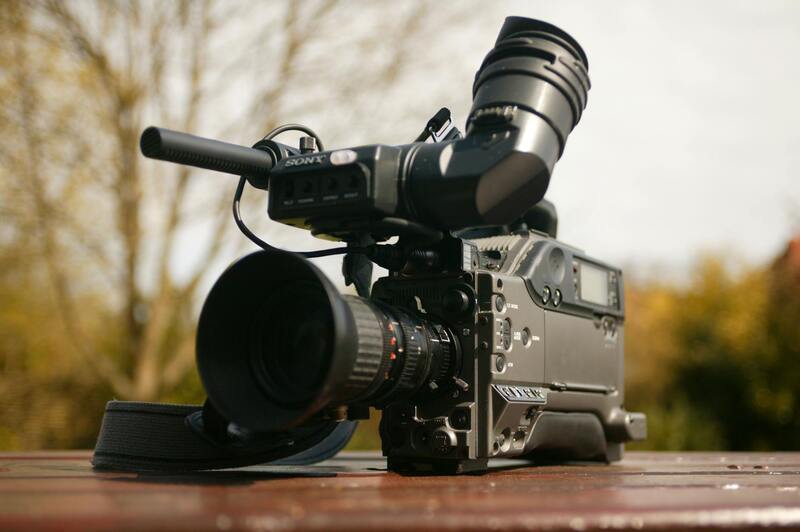
Ensuring optimal setup with professional streaming hardware preserves the quality of the broadcast. Connectivity stability is paramount. Dedicated wired Ethernet connections offer superior reliability compared to wireless alternatives, significantly reducing the risk of disconnections or lag. When wireless connectivity is unavoidable, utilizing high-bandwidth Wi-Fi with dual-band capacity and dual networks provides a backup option. Implementing network monitoring tools can alert operators to potential issues before they impact the live stream.
Comprehensive testing is a critical preparatory step. Conduct trial runs covering all technical components—cameras, microphones, lighting, and streaming hardware—to identify and resolve potential conflicts. Establishing a detailed pre-event checklist guarantees that all necessary equipment is operational and properly configured ahead of broadcast time.
Camera operation demands skilled personnel familiar with framing, focus, and movement to keep viewers engaged. Effective communication between camera operators and the director facilitates smooth scene transitions and quick adjustments in response to live developments. Additionally, operational protocols should include backup camera options or alternate feeds to maintain continuity in case of technical issues.
Lighting plays a significant role in producing visually appealing streams. Using adjustable lighting setups, such as softboxes and key lights, ensures even illumination and eliminates harsh shadows. Proper exposure settings and color correction calibrated for the environment enhance the overall visual quality.
Audio quality is equally vital. High-fidelity microphones tailored to the environment—such as lapel microphones for speakers and shotgun mics for broader sound capture—capture clear audio. Soundproofing the recording space minimizes unwanted noise, while audio mixers enable real-time volume adjustments and sound processing to deliver a professional audio experience.
The integration of these components into a cohesive setup forms the backbone of successful streaming video production. Continuous monitoring during the event, with real-time feedback and rapid problem-solving, ensures a polished broadcast that meets viewer expectations.
Post-Production and Distribution
Once the live streaming event concludes, the focus shifts to post-production and distribution processes that maximize the content’s reach and impact. Effective editing ensures the recorded footage aligns with the intended message, enhances visual and audio quality, and incorporates branding elements or overlays. Skilled editors utilize non-linear editing software to trim unnecessary segments, correct color discrepancies, and synchronize audio tracks, producing a polished final product suitable for on-demand viewing.
Archiving the live stream is essential for future reference, content repurposing, and compliance purposes. Organizing recordings with clear metadata, including date, event details, and relevant keywords, facilitates easy retrieval. High-quality storage solutions ensure that the footage remains accessible and protected against data loss or corruption.
Distribution strategies involve uploading the edited videos across multiple platforms to maximize visibility. This includes sharing on social media channels, hosting on dedicated websites, or integrating with content management systems. Consistent metadata application, such as titles, descriptions, and tags, enhances discoverability through search engines and platform algorithms.
To expand reach further, organizations often implement targeted marketing campaigns, leveraging email newsletters, online advertisements, and influencer partnerships. The goal is to engage specific audiences and increase viewer engagement. Analyzing viewer metrics post-distribution provides insights into audience preferences and helps refine future streaming strategies.
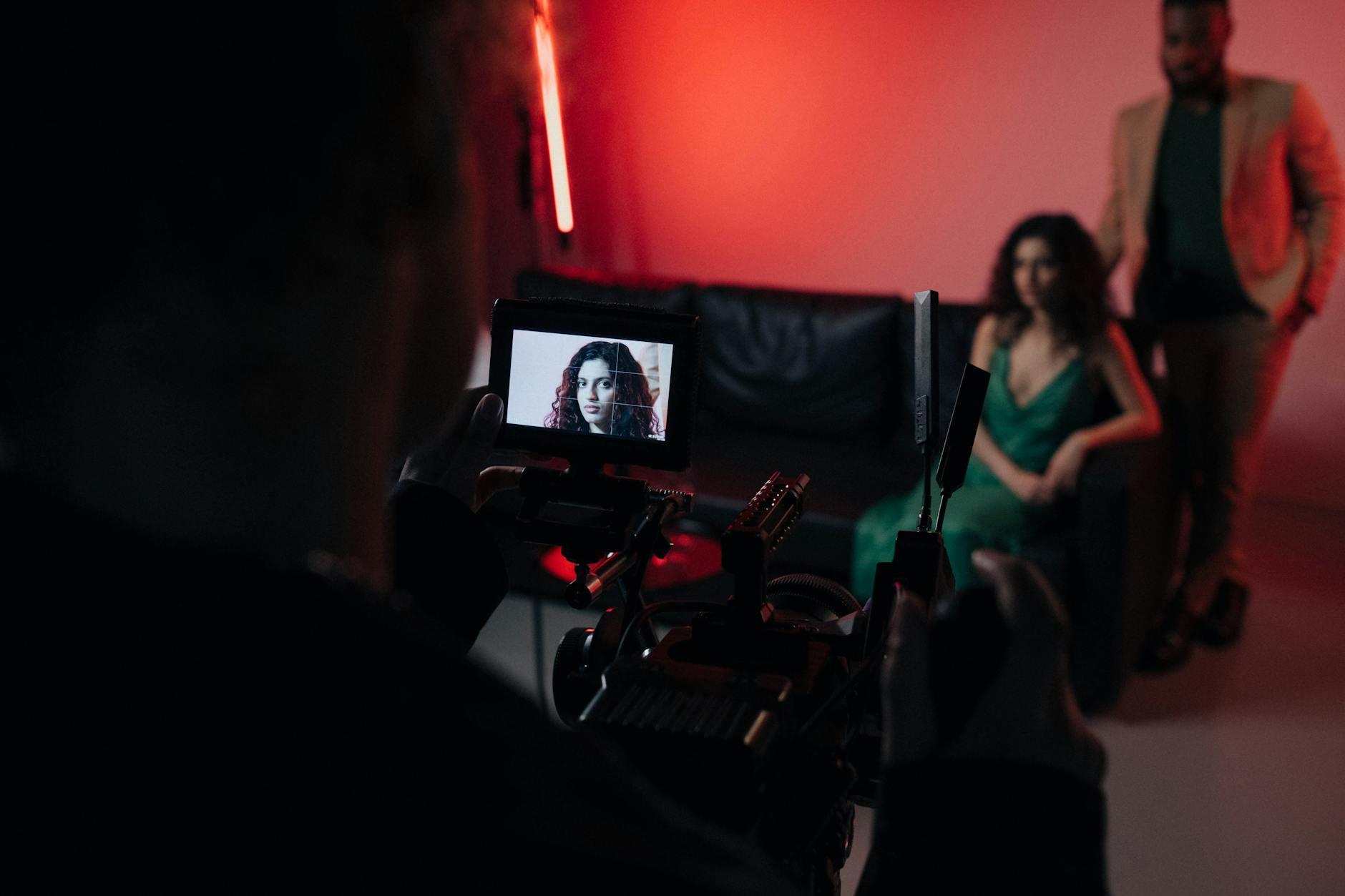
Post-production enhances live content and ensures its effective distribution across various channels. Focus on Content Repurposing and Engagement
- Creating shorter highlight reels from full-length broadcasts for promotional use.
- Generating behind-the-scenes footage to foster audience connection.
- Developing tailored content for different social media platforms to maximize engagement.
This strategic approach to post-production and distribution closes the loop of streaming video production, transforming a live event into a versatile asset that can contribute to long-term brand growth and audience loyalty.
Legal and Compliance Considerations
Ensuring adherence to legal and compliance standards is essential in streaming video production. This involves obtaining appropriate permissions for all content included in the broadcast, such as music, footage, images, and any third-party material. Producers should clearly understand the licensing agreements associated with media elements to avoid potential copyright infringements. Implementing robust rights management practices helps organize and verify rights ownership, providing clarity for all involved parties.
Additionally, platform policies dictate specific requirements for streaming content, including format specifications, duration limits, and community guidelines preventing inappropriate or offensive material. Familiarity with these policies is crucial to maintain a compliant broadcast and prevent disruptions or penalties, such as content removal or account suspension.
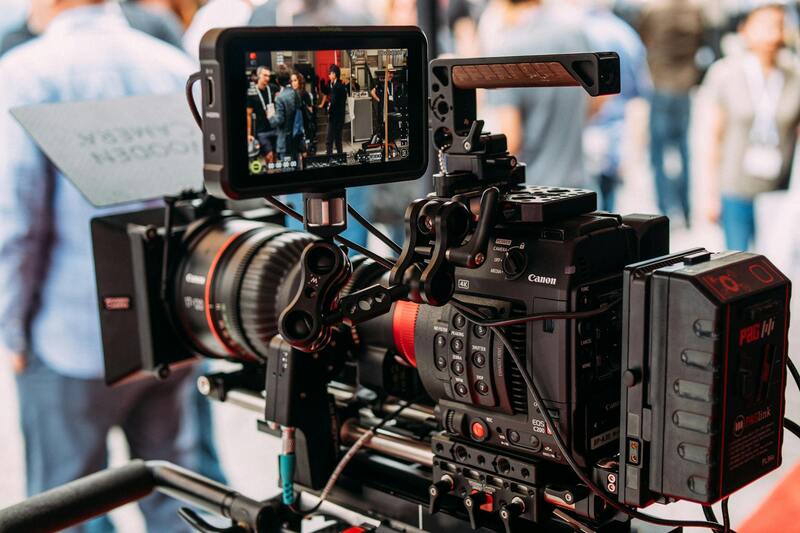
Ensuring proper licensing and content rights is fundamental during the planning stage of streaming video production. Content moderation plays a significant role in compliance, especially during live streams. Implementing real-time moderation tools and establishing clear guidelines for viewer engagement help manage user-generated content and interactions. This proactive approach minimizes risks related to inappropriate comments or disruptive behavior, maintaining a positive viewer experience.
Furthermore, data privacy regulations influence how viewer information is collected and utilized. Protecting personal data and providing transparency about data handling practices are integral to maintaining trust and fulfilling legal obligations. Producers should implement secure systems for data management and provide clear notices regarding data collection, usage, and storage.
Another important facet involves accessibility considerations, such as closed captioning and audio descriptions, ensuring that broadcasts are usable by individuals with disabilities. Adhering to accessibility standards broadens audience reach and demonstrates a commitment to inclusive content delivery.
Proper documentation of all legal clearances and compliance measures facilitates accountability and can serve as evidence in case of audits or disputes. Fastidious record-keeping of licensing agreements, approvals, and compliance checks underscores a professional approach to streaming production and safeguards the organization against potential issues.
Legal and Compliance Considerations in Streaming Video Production
When it comes to streaming video production, adherence to proper legal procedures and compliance standards is essential to ensure a smooth, reputable broadcast that respects intellectual property rights and viewer protections. Developing a thorough understanding of these facets helps production teams mitigate risks, maintain ethical standards, and build trust with audiences and stakeholders alike.
Licensing and Content Permissions
A fundamental component of lawful streaming involves securing appropriate licensing agreements for all content used during broadcasts. This includes music, video clips, images, and any proprietary material. Producers should collaborate closely with rights holders to obtain necessary permissions, ensuring that every piece of content is authorized for online distribution. Documented licenses serve as critical evidence of compliance and provide a safeguard against potential disputes or takedown notices.
Monitoring Intellectual Property Rights
Beyond initial licensing, continuous monitoring of intellectual property rights is essential, especially given the dynamic nature of content on digital platforms. Implementing systems to verify that all media used remains properly licensed and that copyrighted materials are not unintentionally infringed upon can prevent costly legal complications.
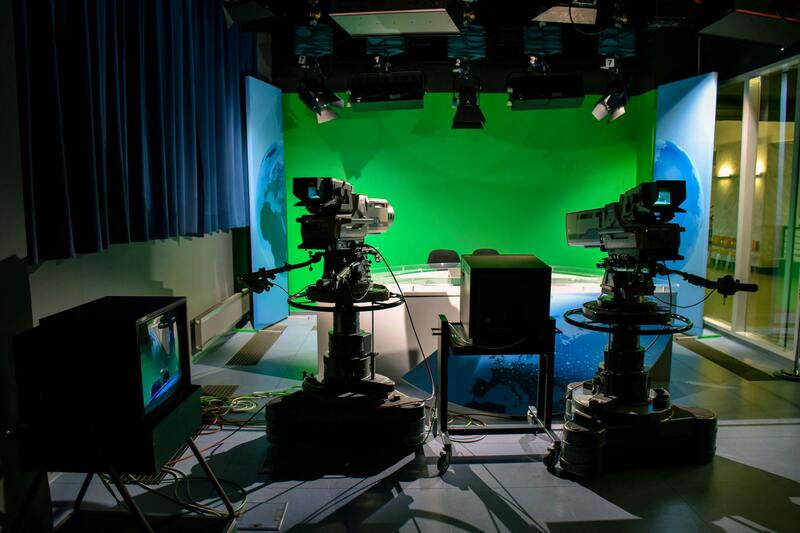
Proper licensing is crucial for compliant streaming video production Content Moderation and Viewer Engagement
Effective content moderation policies not only foster a positive viewer experience but also conform to established standards and guidelines. Live streams require real-time monitoring to swiftly address inappropriate comments, spam, or disruptive behavior. Setting clear community guidelines beforehand ensures audience members understand acceptable conduct, promoting a respectful environment. Automating moderation through dedicated software tools can streamline this process, providing immediate responses to flagged content.
Data Privacy and Viewer Data Handling
Proper management of viewer data is a cornerstone of responsible streaming. Producers must employ secure systems for collecting, storing, and processing personal information. Transparency about data practices—by informing viewers of how their data is used and obtaining explicit consent—builds trust and complies with data protection standards. Additionally, incorporating encryption and regular security audits helps in maintaining data integrity and confidentiality.
Accessibility and Inclusive Content Delivery
Ensuring that live broadcasts are accessible to all viewers involves implementing features like closed captioning, sign language interpretation, and audio descriptions. These measures not only meet compliance benchmarks but also expand audience reach, demonstrating a commitment to inclusivity. Compliance with accessibility standards can involve verifying that all technical components, such as caption files and audio descriptions, meet established specifications.
Record Keeping and Documentation
Comprehensive documentation of all legal clearances, licensing agreements, content permissions, and compliance checks is vital. Maintaining organized records facilitates quick reference in case of audits, disputes, or inquiries. It also reflects a professional approach, emphasizing accountability and diligent adherence to standards. Secure digital archives or physical files should be used to preserve all relevant documentation over time.
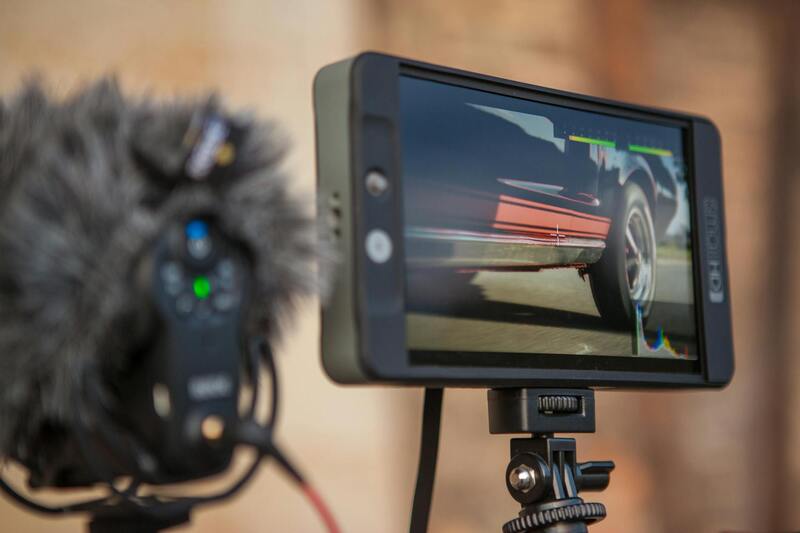
Proper record-keeping safeguards production authenticity and accountability