
Understanding Live Streaming Production
Live streaming production has become an essential part of modern media dissemination, allowing organizations to broadcast events in real-time across various digital platforms. A professional live streaming production company specializes in managing and executing the complex process of converting an in-person event into a seamless online broadcast. Their role encompasses a wide array of services tailored to meet the specific needs of each client, whether for corporate meetings, conferences, concerts, sports events, or special ceremonies.
These companies coordinate multiple facets of live broadcasting, including audiovisual capture, live switching, encoding, and streaming distribution. By deploying a combination of state-of-the-art equipment and skilled technical personnel, a live streaming production company ensures high-quality visuals and audio, minimal latency, and maximum viewer engagement. The expertise involved extends beyond mere technical execution to encompass creative elements such as on-camera talent management, graphics integration, and audience interaction features.
Key services provided by a live streaming production company include pre-event consultation, production planning, on-site operation, and post-event analytics. Such companies often work closely with clients to understand their goals, target audience, and preferred streaming platforms, enabling them to customize the production process effectively. Whether broadcasting a small corporate meeting or a large-scale public event, these companies develop tailored solutions that ensure a professional and impactful online presence.
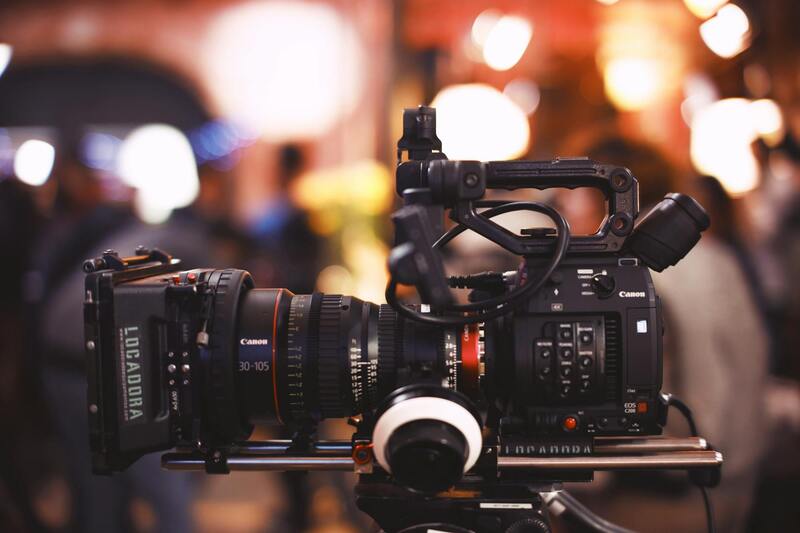
They also provide a range of additional services such as multi-camera setups for dynamic shots, graphic overlays for branding, live chat moderation, and multi-platform streaming capabilities. This comprehensive approach ensures that the content is not only accessible but also engaging for remote viewers, helping clients expand their reach and maximize engagement. Engaging a dedicated live streaming production company is crucial for organizations aiming to deliver a polished and professional broadcast experience, reinforcing their brand image and achieving communication objectives effectively.
Key Equipment and Technology Used
To deliver professional-quality live streams, a production company relies on a comprehensive set of advanced hardware and software tools. The core components include high-definition cameras equipped with professional lenses and stabilization systems to capture sharp, steady footage under various conditions. Multi-camera setups enable dynamic, engaging visuals, allowing seamless switching between different angles to maintain viewer interest. Additionally, multi-channel audio mixers and professional microphones ensure crystal-clear sound quality, which is vital for audience engagement and comprehension.
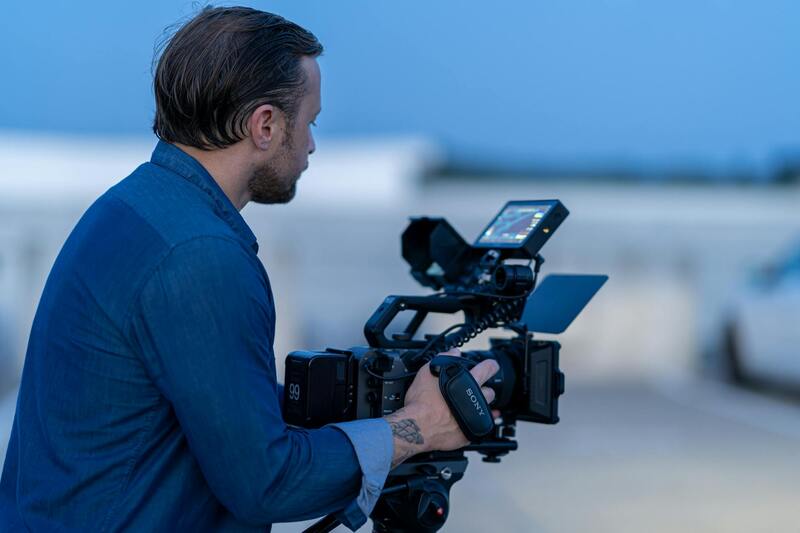
Encoders play a pivotal role by converting high-quality video and audio signals into digital formats suitable for internet streaming. Hardware encoders provide reliability, while software encoders offer flexibility and ease of customization. Streaming platforms such as YouTube, Facebook Live, or custom RTMP servers are integrated through reliable internet connections, often utilizing redundant network pathways to prevent interruptions. High-bandwidth internet services with symmetrical speeds are essential to maintain minimal latency and buffer-free viewing experiences.
Additional tools like graphic overlay systems add dynamic branding elements, lower thirds, and real-time captions to enrich the viewing experience. Streaming management software facilitates multi-platform distribution, audience analytics, and real-time moderation, which are crucial for managing live interactions effectively. The infrastructure also includes backup power supplies and network redundancy measures to ensure seamless operation throughout the event.
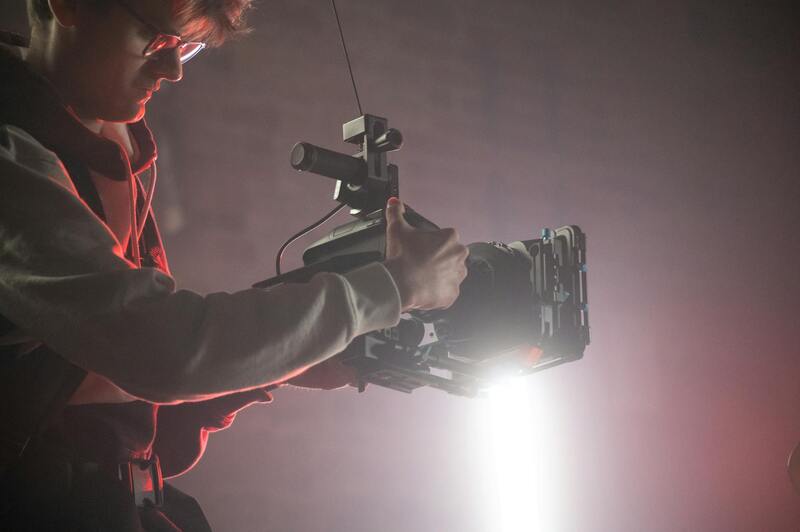
By combining these sophisticated tools, a live streaming production company can deliver broadcasts that are not only visually appealing but also technically robust, capable of accommodating the specific needs of any event—be it small corporate meetings or expansive public festivals. The integration of cutting-edge hardware and reliable software solutions guarantees that clients receive a smooth, professional streaming experience designed to captivate and grow their remote audience.
On-Site Production and Execution
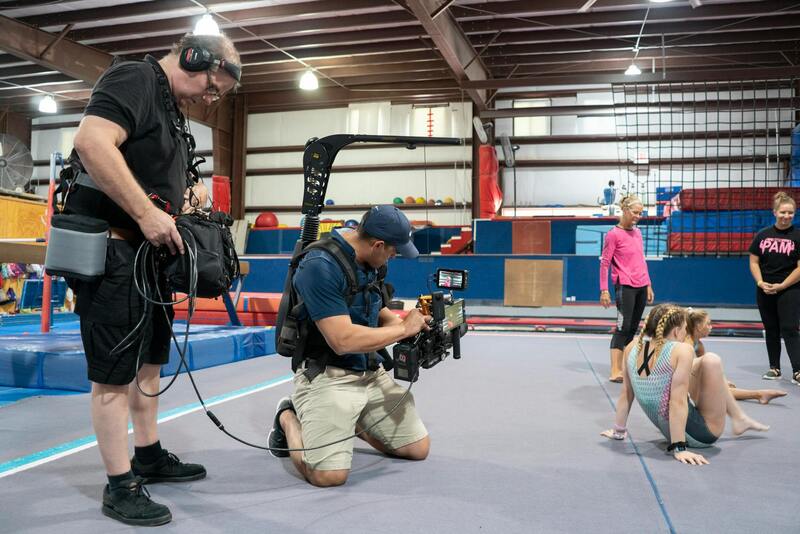
Effective on-site management is critical for the success of any live streaming event. This phase involves the meticulous coordination of multiple technical aspects to ensure a seamless broadcast. A dedicated production team typically includes a director, camera operators, audio technicians, and technical support staff, all collaborating to adapt to the dynamic environment of live events.
The production team sets up and tests all audiovisual equipment before going live. This includes camera angles and positions to capture comprehensive views of the event, as well as audio feeds from microphones and other sources. Ensuring sound clarity and visual clarity is paramount, which is achieved through sound checks and multiple camera calibrations. For multi-camera setups, synchronization is vital to maintain smooth transitions and cohesive storytelling.
Internet connectivity remains a foundational element during on-site execution. A stable, high-bandwidth internet connection—preferably with backup options—is mandatory to prevent disruptions in the live feed. Wireless and wired connections are often employed together to maximize reliability, especially when streaming to multiple platforms simultaneously. Network engineers monitor bandwidth usage constantly, making real-time adjustments to prevent latency and buffering issues.
Graphics, overlays, and real-time captions are integrated during the live broadcast to enhance viewer engagement. This dynamic visual communication not only brands the event but also provides valuable information to remote audiences. Live switching of camera feeds is choreographed meticulously, ensuring that the visual storytelling aligns with the event's narrative and pace.
As the event progresses, continuous monitoring is carried out to address any technical issues promptly. A command center setup is often used for real-time diagnostics, audio levels, and video quality checks. If any glitches occur, on-site technicians are authorized to troubleshoot immediately, minimizing transmission interruptions. This proactive approach ensures a polished, professional viewing experience for remote audiences.
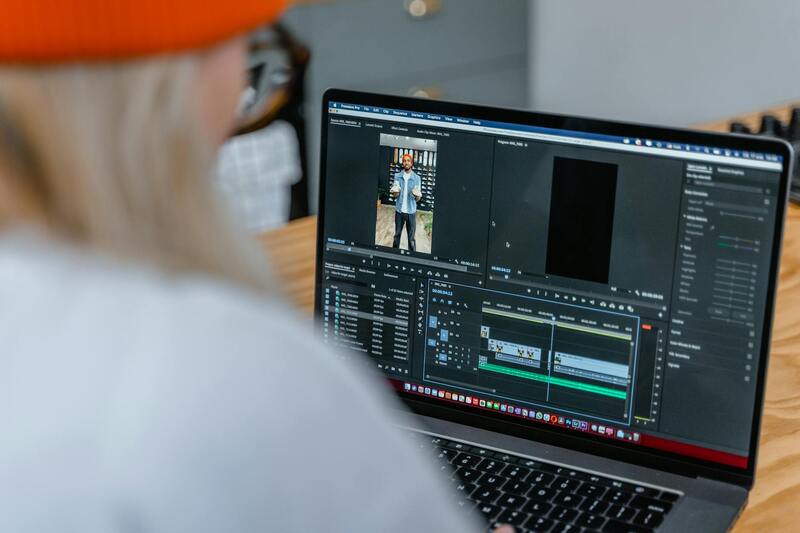
Post-event, the recorded content is often archived and edited for future use. Editing might include cutting highlights, adding post-event graphics, or producing promotional snippets. High-quality content delivery extends the reach of the event through multiple channels, maximizing audience engagement and return on investment.
Overall, the on-site execution phase encapsulates the technical precision and adaptive problem-solving required to produce a successful live broadcast. This expertise is essential for clients aiming to deliver an immersive viewing experience that captures every moment flawlessly.
Understanding Live Streaming Production
Successfully broadcasting a live event requires meticulous coordination of various technical and creative elements. Clear planning ensures seamless execution, from setup to the final broadcast. It involves detailed strategies for camera positioning, audio management, graphical overlays, and real-time interaction with the audience. Mastering these aspects allows producers to create engaging content that captures the essence of the event while maintaining professional quality standards. The entire process hinges on a deep understanding of live streaming workflows, ensuring that each component functions harmoniously to deliver a captivating viewer experience.
Key Equipment and Technology Used
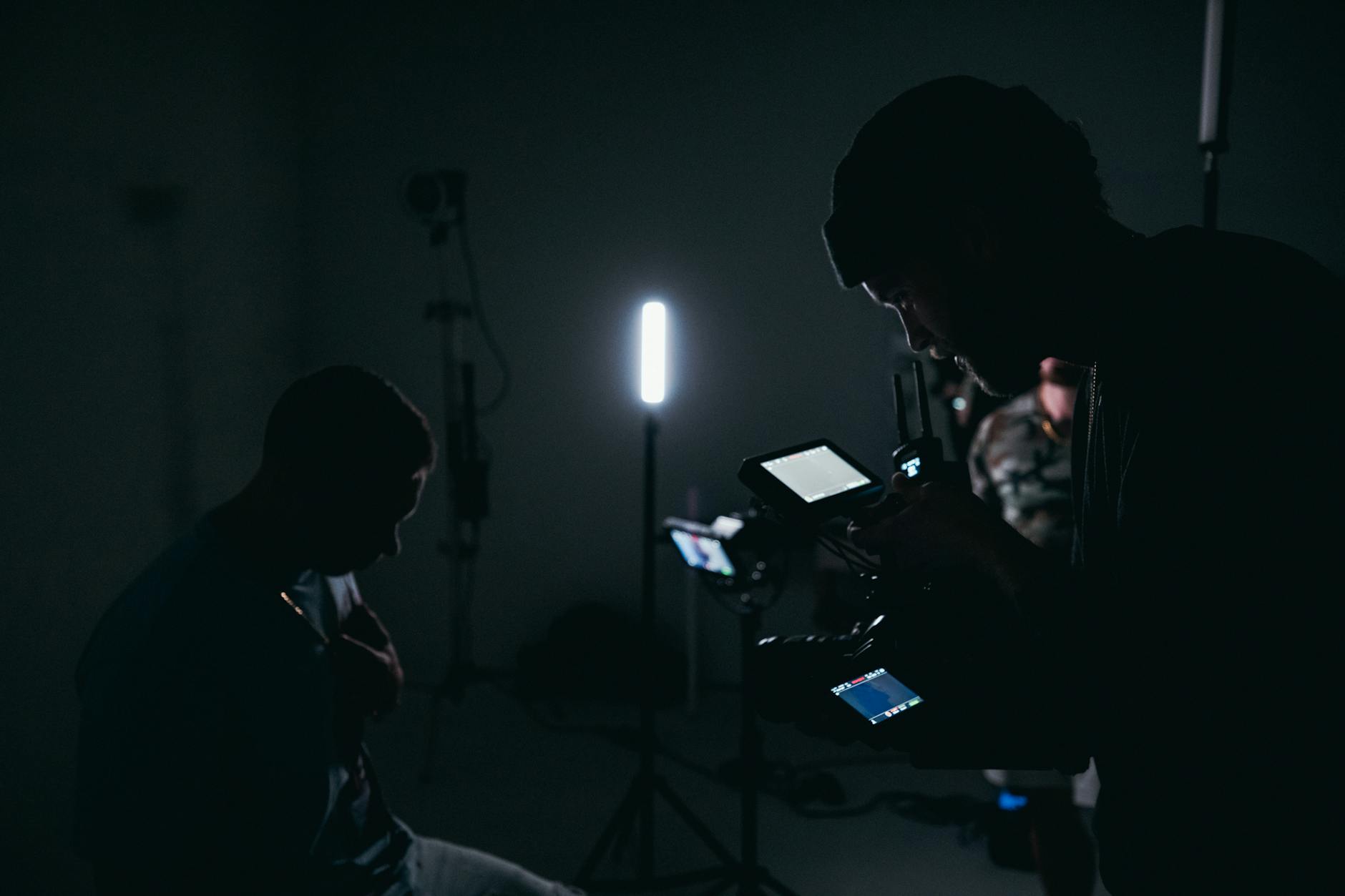
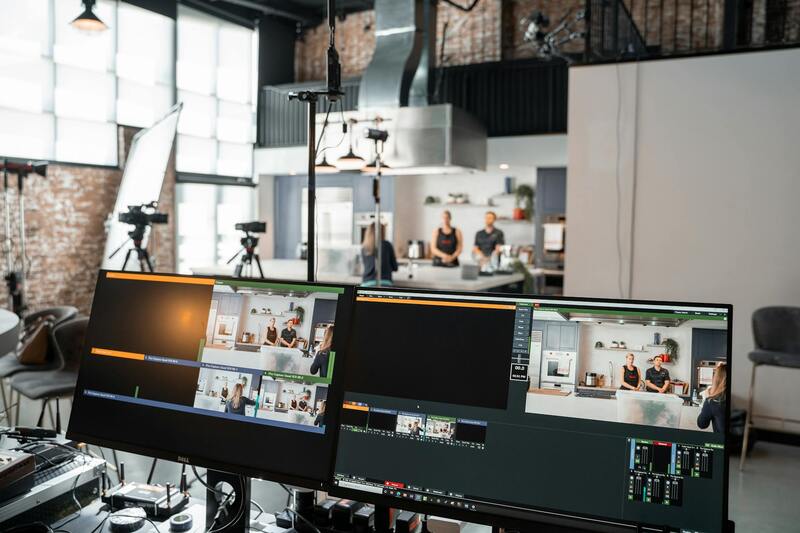
The backbone of any live streaming production is cutting-edge hardware and software. High-definition cameras are essential for capturing crisp visuals, with multiple camera angles providing dynamic viewing options. Professional video switchers facilitate smooth transitions and live editing, often integrated with live graphics and overlays to reinforce branding and messaging. Audio equipment such as mixers and microphones ensure clear, balanced sound, crucial for audience engagement. Transmission technology, including encoders and robust internet connections, guarantees uninterrupted live feeds, minimizing latency and buffering issues. Additional equipment like teleprompters, monitors, and intercom systems support seamless communication among production team members, optimizing on-the-fly adjustments.
Planning and Pre-Production Process
Effective live streaming begins long before the event starts. Pre-production involves comprehensive planning stages, including content layout, technical rehearsals, and logistical arrangements. It is vital to define the event’s objectives, target audience, and key messaging points. Detailed scripts and shot lists are created to streamline on-camera activity and visual storytelling. Technical rehearsals check equipment functionality and internet stability, addressing potential issues proactively. This stage also includes coordinating with event organizers, scheduling crew allocations, and establishing contingency plans for unforeseen disruptions. The goal is to create a detailed blueprint that guides every facet of the production, ensuring a smooth, professional broadcast that aligns with the client’s vision.
Technical Considerations
- Network stability and bandwidth management
- Camera positioning and movement plans
- Audio source and microphone placement
- Graphics templates and branding elements
- Backup systems and disaster recovery protocols
Content Structure
- Event timeline and schedule
- Key moments and highlights
- Introduction of presenters or speakers
- Q&A segments or interactive features
Post-Production and Content Delivery
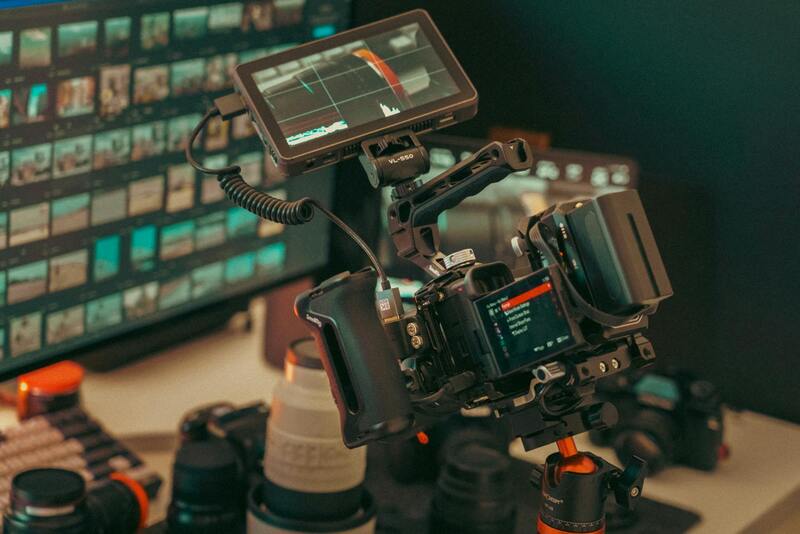
Once the live broadcast concludes, the role of a professional live streaming production company extends into post-production activities that are crucial for maximizing the event’s impact. This phase involves editing the recorded footage to highlight key moments, enhance visual and audio quality, and create engaging content that can be repurposed for different channels. Skilled editors work meticulously to synchronize visuals, incorporate graphics, and ensure smooth transitions, providing a polished version of the event that aligns with the client’s branding and messaging strategies.
Archiving the recorded streams is equally important as it facilitates future access, analysis, and distribution. A comprehensive content library can serve as a valuable resource for marketing, training, or internal review purposes. It also ensures that content remains accessible to a wider audience beyond the live broadcast, leveraging platforms such as YouTube, Facebook, or proprietary websites to extend engagement and reach.
Distribution strategies are tailored to optimize viewer engagement and brand visibility. This includes deploying multi-platform streaming, creating highlight reels, and developing supplemental content like interviews or behind-the-scenes footage. By coordinating these efforts with marketing teams, a live streaming production company ensures that the event’s content reaches targeted audiences effectively, boosting overall event ROI.
Furthermore, detailed analytics and performance reports provide insights into viewer engagement, geographical reach, and content effectiveness. This data-driven approach enables continuous improvement for future productions, ensuring that each event is more successful than the last. In essence, a comprehensive post-production workflow transforms a live event into a lasting digital asset, amplifying its impact across various channels and audiences.
Understanding Live Streaming Production
Live streaming production encompasses the entire process of capturing, broadcasting, and managing live video content over the internet. It combines technical expertise, creative vision, and logistical planning to deliver seamless real-time broadcasts suited to diverse events, from corporate conferences and concerts to product launches and community gatherings. The core objective is to produce a reliable, high-quality stream that effectively engages viewers, reflects the event’s branding, and meets the expectations of both the client and the audience.
This process involves a series of coordinated steps, beginning with meticulous planning and pre-production to ensure all elements—from equipment setup to content scripting—are in place. During the live event, on-site production teams manage camera operation, sound, lighting, and streaming configurations, often under time-sensitive conditions. Post-event, the recorded material undergoes editing, packaging, and distribution to maximize reach and engagement. A proficient live streaming production company adheres to best practices across each stage, leveraging industry-standard tools and techniques to optimize performance and viewer experience.
Key Equipment and Technology Used
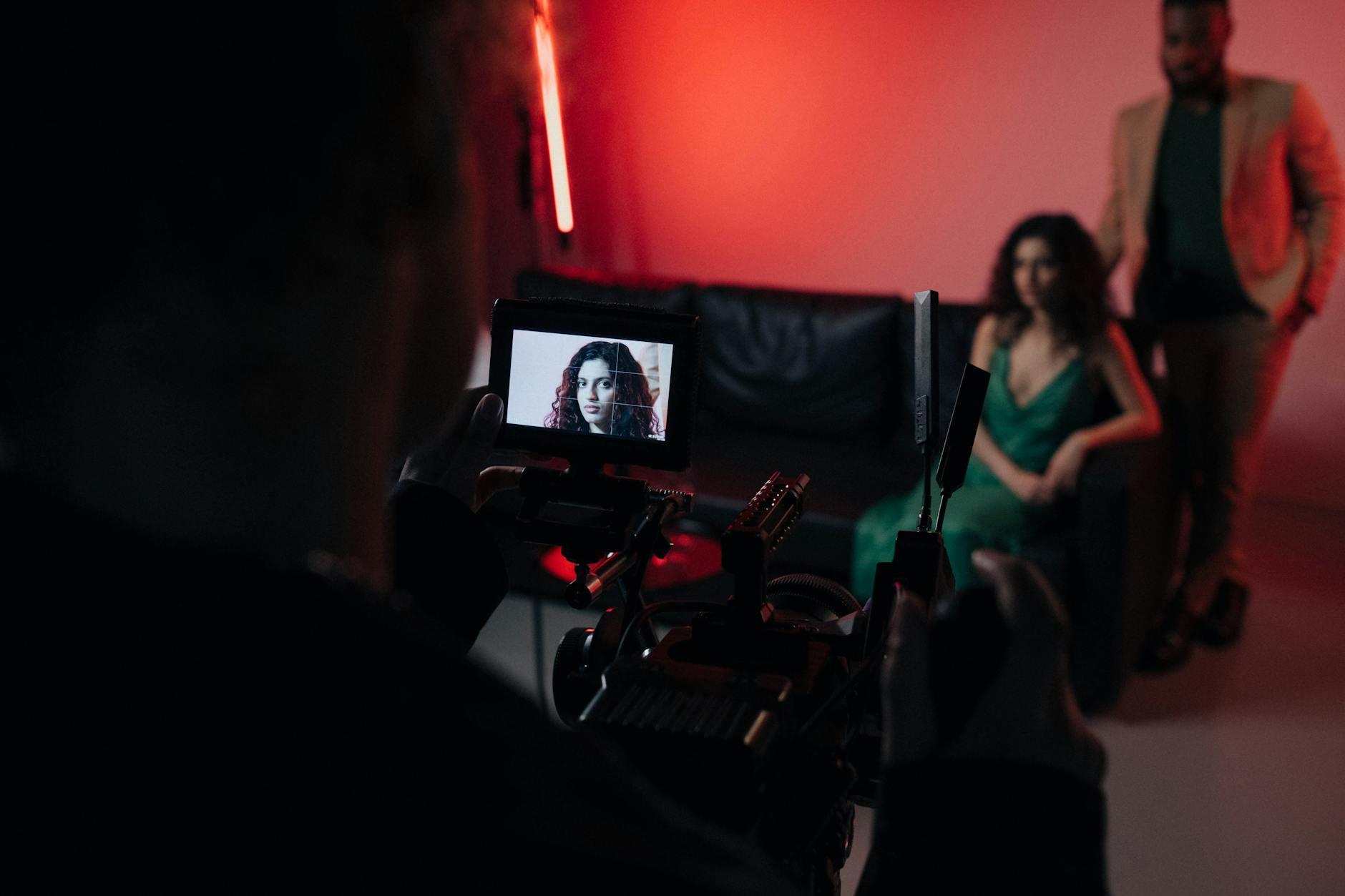
- Cameras: High-definition professional cameras, such as broadcast-grade shoulder cams or PTZ (pan-tilt-zoom) cameras, enable dynamic shot selection and versatility in capturing different angles.
- Switchers and Mixer Boards: Video switchers allow real-time switching between camera feeds, while audio mixers balance sound levels and integrate multiple audio sources.
- Encoding Hardware/Software: Hardware or software encoders convert live video signals into streams suitable for transmission over the internet, ensuring minimal latency and optimal quality.
- Streaming Platforms and CDN Integration: Robust content delivery networks (CDNs) facilitate widespread distribution, accommodating large viewer numbers without compromising stream stability.
- Lighting and Audio Equipment: Proper lighting enhances visual clarity, while professional microphones and sound systems ensure audio fidelity, both crucial for viewer engagement.
- Monitoring and Communication Tools: Real-time monitoring software and intercom systems maintain quality control throughout the broadcast, allowing instant adjustments and clear team communication.
Planning and Pre-Production Process
An effective live streaming campaign begins with comprehensive planning that addresses content objectives, target audience, and technical requirements. This phase involves defining the scope of the event, creating detailed storyboards or shot lists, and coordinating with clients to understand branding considerations. Venue scouting is essential to assess power, internet connectivity, lighting conditions, and space logistics. Identifying the optimal camera positions, staging areas, and cable routes helps prevent technical hiccups during the event.
Pre-production also encompasses obtaining necessary permits, coordinating with venue staff, and rehearsing key segments to ensure a smooth on-site operation. Content scripts, cue sheets, and rehearsal schedules are drafted to synchronize camera operators, hosts, and technical personnel. Testing internet speeds, streaming hardware, and auxiliary equipment minimizes the risk of disruptions. When integrating branding elements such as graphics, overlays, or sponsor logos, early planning ensures these components enhance the visual flow without obstructing important visuals.
On-Site Production and Execution
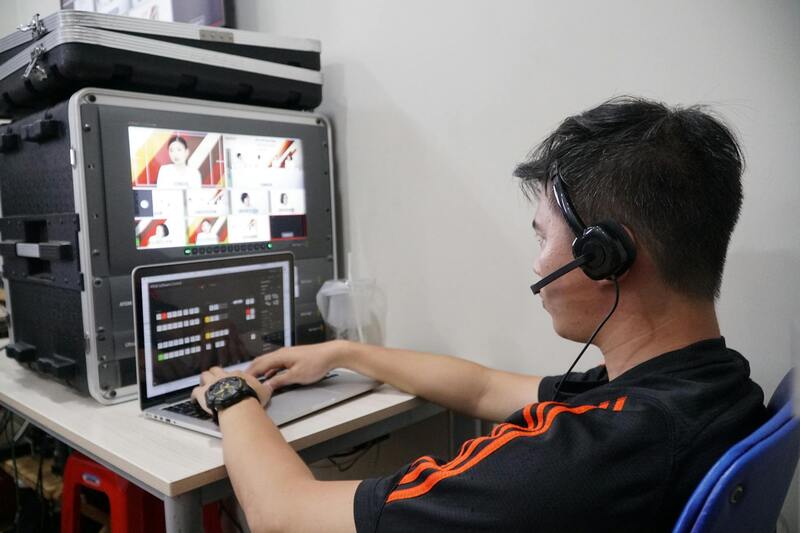
On event day, the live streaming production team executes the pre-established plan, managing all technical and creative aspects to capture the event’s energy effectively. Camera operators follow shot sheets, capturing key moments from multiple angles to provide variety and visual interest. The director oversees the livestream feed, switching camera angles seamlessly to maintain viewer engagement and convey the event’s narrative.
Meanwhile, technical staff monitor audio levels, internet stability, and video quality continuously, making instant adjustments when needed. Coordinating with presenters and speakers ensures cueing for transitions, graphics, or multimedia presentations occurs smoothly. In high-profile events, operators may incorporate live graphics, overlays, and real-time social media feeds to enhance viewer interaction and branding visibility.
Reliable internet connectivity is critical, often requiring dedicated bandwidth or backup options, such as 4G/5G mobile hotspots, to prevent interruptions. The technical team remains flexible to troubleshoot unforeseen issues swiftly, ensuring the broadcast remains stable and professional throughout the event. Effective communication and synchronized teamwork are vital for capturing the event’s essence convincingly and delivering a polished live stream.
Post-Production and Content Delivery
Following the event, a live streaming production company shifts focus to post-production activities that amplify content impact. Recorded streams are edited to cut unnecessary segments, add branding elements, captions, and highlights, resulting in a refined product suitable for multi-platform sharing. Creating shorter clips, highlight reels, or interviews derived from the original broadcast extends the content’s lifespan and reach.
Distributing the content involves uploading to various channels—such as social media platforms, websites, or proprietary portals—leveraging targeted strategies to maximize viewer engagement. Archiving recordings creates valuable digital assets for future marketing campaigns or internal training. Detailed performance analytics, including viewer counts, geographic distribution, and engagement metrics, inform ongoing content strategies, enabling continuous improvement of production practices.
By integrating comprehensive post-production workflows, a live streaming production company ensures that live event content transforms into enduring digital assets, increasing overall brand visibility and audience connection across multiple channels.
Understanding Live Streaming Production
Live streaming production encompasses a series of carefully coordinated steps designed to broadcast events seamlessly over digital platforms. It involves a combination of advanced technology, strategic planning, and skilled personnel working together to deliver a high-quality viewing experience. From initial concept development through to real-time execution and after-event content management, each phase plays a critical role in achieving a successful live broadcast.
Technical Infrastructure and Methodologies
Effective live streaming relies on robust infrastructure that supports high-bandwidth internet connections, reliable hardware, and efficient software solutions. The core technology stack includes video encoders, switchers, audio mixers, and streaming servers. These components facilitate the capture, processing, and transmission of high-definition video and audio signals to viewers across multiple platforms. Adaptive bitrate streaming techniques are employed to optimize playback quality based on viewers’ internet speeds, ensuring minimal buffering and an uninterrupted experience.

Role of Skilled Personnel
A proficient live streaming production team consists of videographers, directors, technical directors, sound engineers, and online moderators who work collaboratively. Their expertise ensures proper setup, real-time troubleshooting, and smooth operation during the event. Experienced teams are adept at managing multiple camera feeds, audio levels, graphics, and transitions, all synchronized to produce a professional broadcast that reflects the event’s atmosphere accurately.
Scalability and Customization
Each live streaming project is tailored to specific client needs, whether it involves broadcasting a corporate webinar, a live concert, or a sports event. Scalable solutions allow for expansion in terms of camera angles, graphics, interactive features, and viewer engagement tools. Customization options include integrated chat functions, multi-camera switching, and on-screen branding, enhancing the viewer’s experience while reinforcing the event’s branding objectives.
Image Placeholder
Security and Compliance Measures
Maintaining security and adherence to broadcast standards is integral to live streaming operations. Encryption protocols safeguard content from unauthorized access, while compliance with platform-specific guidelines ensures smooth publishing and monetization. Additionally, implementing backup systems and fail-safe techniques minimizes downtime, guaranteeing uninterrupted live transmission even in the face of technical disruptions.
Engaging a professional live streaming production company ensures that these critical technical components are managed expertly. Such companies specialize in deploying industry-grade tools and personnel trained to handle the complexities of live digital broadcasting, resulting in a polished and dependable streaming experience for audiences across Miami and beyond.
Choosing the Right Live Streaming Partner in Miami
Securing a reliable and proficient live streaming production company is essential for delivering high-quality content that resonates with viewers and meets your organizational goals. When selecting a partner in Miami, your focus should be on experience, technical expertise, and the ability to customize solutions to fit your specific event requirements. Local companies often possess a profound understanding of regional broadcast standards, logistical considerations, and audience preferences, making them an ideal choice for seamless event execution.
Assessing Technical Proficiency and Equipment Capabilities
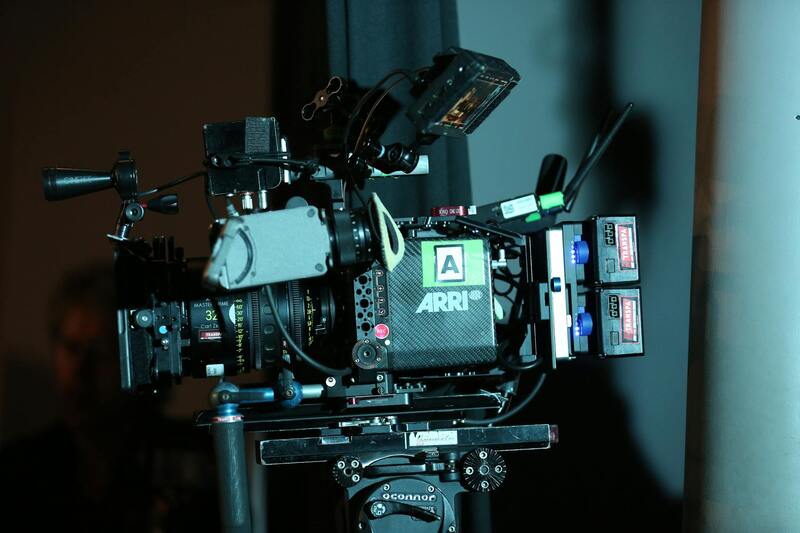
Evaluate the production company’s technological infrastructure thoroughly. A top-tier provider will have state-of-the-art broadcasting equipment, including 4K cameras, professional switchers, high-speed encoders, and reliable streaming servers. Their proficiency in managing multi-camera workflows, real-time graphics, and interactive features ensures a dynamic viewing experience. Additionally, inquire about their experience with different streaming platforms such as YouTube Live, Facebook Live, and bespoke players, which can impact accessibility and audience engagement.
Reviewing Portfolio and Client Testimonials
Request to see samples of previous live streams and client feedback. A reputable company will have a portfolio showcasing a variety of event types, including corporate events, concerts, sports, and educational webinars. Client testimonials provide insight into the company’s professionalism, punctuality, and ability to adapt to unforeseen issues. These references are vital to gauge their operational reliability and customer satisfaction levels.
Customization and Scalability Options
Ensure the provider offers tailored solutions that align with your event objectives. This includes multi-camera configurations, branding overlays, live chat integration, and interactive features to boost engagement. The company should also be capable of scaling services based on audience size, technical complexity, or additional content elements, ensuring your event can grow without compromising quality.
Understanding Support and Security Protocols
Live streaming demands robust technical support throughout the event. Verify that the company provides comprehensive pre-event testing, onsite technical assistance, and post-event analysis. Additionally, their security measures, such as encryption and network safeguards, must be aligned with best practices to protect your content from unauthorized access and ensure compliance with platform standards.
Pricing Structure and Contract Transparency
Obtain detailed quotations that outline all costs involved, including production fees, equipment rental, bandwidth charges, and post-production services. Transparency in contractual terms helps avoid unforeseen expenses and ensures the scope of work is clearly defined, facilitating smooth collaboration and setting accurate expectations.
Proximity and Local Expertise
Working with a Miami-based production company offers significant advantages. Local providers are familiar with the city’s infrastructure, permitting processes, and venue logistics, enabling more efficient planning and execution. This proximity also allows for prompt onsite support and quick adjustments during live events, reducing the risk of technical issues and enhancing overall broadcast quality.
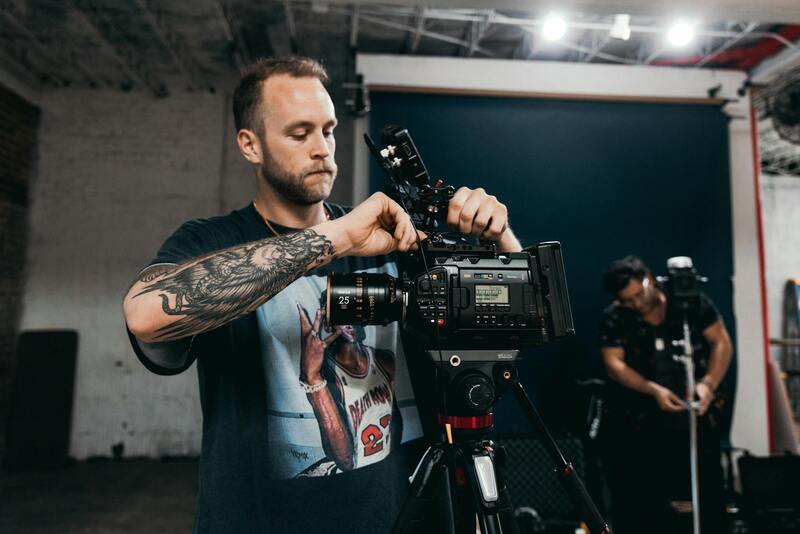
Ultimately, choosing the right live streaming production partner involves a careful balance of technical competence, customization ability, logistical understanding, and proven reliability. Ensuring these elements are in place positions your event for a successful digital broadcast that engages your audience, elevates your brand, and meets your strategic objectives. Collaborating with a reputable Miami-based live streaming production company guarantees a seamless, professional presentation that resonates with viewers and achieves your desired outcomes.