
Overview of Live Streaming Production Services
Live streaming production services play a pivotal role in transforming how organizations, businesses, and individuals deliver content and host events in the digital realm. These services encompass a comprehensive range of technical and logistical solutions designed to capture, manage, and broadcast live events seamlessly across various online platforms. A professional live streaming production ensures that the visual and audio quality meet high standards, providing viewers with an engaging and immersive experience regardless of their location.
The core mission of live streaming production services is to replicate the energy, clarity, and immediacy of in-person events through advanced technology and expert coordination. Whether it involves corporate conferences, product launches, concerts, or webinars, these services facilitate real-time interaction with audiences, fostering engagement and expanding reach. The success of a live stream hinges on meticulous planning, high-quality equipment, and superior technical support. When executed effectively, live streaming becomes an invaluable tool for brand promotion, information dissemination, and community building.
For organizations in Miami seeking reliable, high-caliber live streaming solutions, partnering with specialized providers ensures a seamless experience from initial concept to final broadcast. The emphasis is on delivering a transparent, professional presentation that mirrors the quality one would expect from traditional in-person events, but with the added advantage of global accessibility and flexibility.
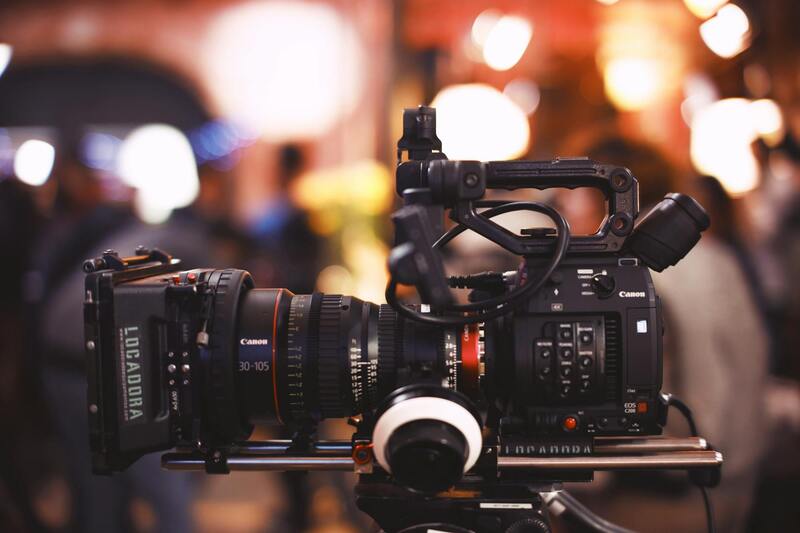
Types of Live Streaming Services Offered
In the live streaming industry, providers offer a variety of services tailored to meet diverse event requirements. These can include:
- Basic Live Streaming: Covering small-scale events with straightforward setups, ideal for webinars or internal corporate meetings.
- Multi-Camera Productions: Incorporating multiple camera angles for a dynamic viewing experience, often used for larger conferences and performances.
- Pre-Recorded and Live Mix: Combining pre-recorded segments with live content for a polished event presentation.
- Interactive Streaming: Facilitating audience engagement through live polls, Q&A sessions, and chat features.
- Event Recording and On-Demand Playback: Capturing the stream to provide on-demand access afterward, extending the event's value.
- Customized Solutions: Developing tailored streaming packages to suit specific client needs, including branding and integrated media.
Each service type involves different levels of technical setup and production complexity, emphasizing the importance of selecting an experienced partner capable of delivering the desired quality and audience interaction successfully.
Overview of Live Streaming Production Services
Live streaming production services encompass a comprehensive range of solutions designed to deliver professional-quality broadcasts across diverse event types. These services integrate advanced audiovisual technology, expert technical support, and strategic planning to ensure seamless transmission of live content to targeted audiences. Whether it’s a corporate conference, a music concert, or an educational seminar, experienced production teams work meticulously to create engaging, high-fidelity streaming experiences that meet the highest standards of clarity, reliability, and interactivity.
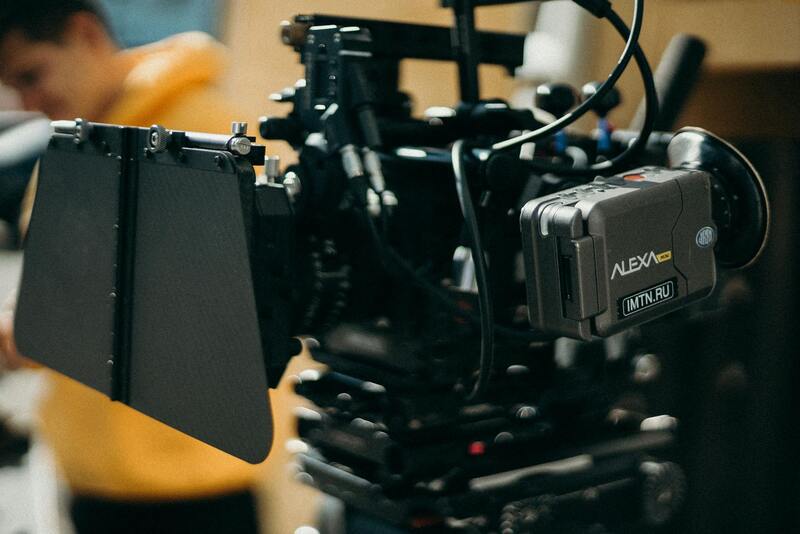
In addition to the core broadcasting functions, these services often include pre-event planning, content management, enhanced audience engagement features, and post-event analytics. Their primary goal is to transform live events into accessible, sharable digital experiences that resonate with viewers and foster ongoing engagement. For event organizers and businesses, partnering with skilled live streaming production providers guarantees a professional presentation, smooth technical execution, and an expanded reach beyond physical attendance.
Variety of Service Offerings
- Basic Live Streaming: Ideal for smaller events such as internal meetings or webinars, focusing on reliable transmission with minimal equipment requirements.
- Multi-Camera Productions: Uses multiple cameras to capture different angles, providing a more dynamic and engaging viewer experience, suitable for conferences or performances.
- Pre-Recorded and Live Mix: Combines prerecorded segments with live feeds to enhance production quality and storytelling capabilities.
- Interactive Streaming: Incorporates audience interaction features like live polls, chat windows, and Q&A sessions to boost viewer participation.
- Event Recording and On-Demand: Records the live broadcast for post-event access, allowing attendees and interested viewers to revisit the event at their convenience.
- Customized Solutions: Develops tailored streaming packages that align with client branding, content needs, and technical specifications.
Each service type requires a specific level of technical setup and skilled execution. Combining the right technologies with professional expertise results in a superior viewer experience, maximized engagement, and a successful event outcome. The choice of services depends heavily on the event scope, audience size, budget, and desired technical features.
Latest Equipment and Technology Requirements
Delivering high-quality live streams depends on state-of-the-art audiovisual equipment and robust networking infrastructure. Essential components include high-definition cameras capable of capturing sharp images from multiple angles, professional-grade switchers for seamless transitions, audio mixing consoles to ensure clear sound, and reliable streaming encoders to convert signals for internet transmission. Additionally, advanced video codecs, fiber optic internet connections, and backup power supplies are critical for maintaining uninterrupted broadcasts, especially during complex multi-camera productions.
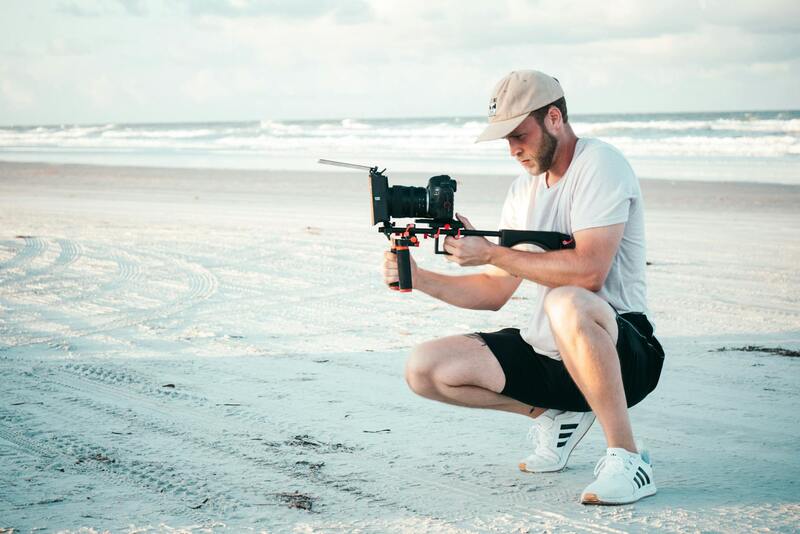
Technology trends such as 4K streaming, cloud-based production tools, and IP-based video transmission continue to enhance the quality and flexibility of live streaming solutions. Coupled with reliable internet connectivity and redundancy systems, these innovations help mitigate risks related to signal loss or equipment failure, ensuring a consistent, high-quality viewer experience from start to finish.
Collaborative Planning and Execution
Successful live streaming requires detailed planning and close collaboration with clients. This process involves understanding the event objectives, audience demographics, content flow, and technical requirements. Production teams typically schedule pre-event consultations to design the overall broadcast setup, determine the required equipment, and establish contingency plans for potential technical issues. Clear communication channels ensure that clients are involved in key decisions, from camera shot selections to branding overlays and interactive features. During the event, on-site coordinators and technical crews execute the plan, monitor the stream, and troubleshoot issues promptly to maintain broadcast quality.
On-Site Production Setup
The on-site setup is a vital component that influences the overall production quality. It includes the deployment of cameras, microphones, lighting, and streaming hardware arranged to optimize coverage and visual appeal. Skilled technicians handle camera placement, cable management, and audio calibration to attain clear visuals and pristine sound. A dedicated control room, often situated backstage or in a mobile unit, manages video switching, graphics overlay, and stream encoding. Proper setup ensures that all equipment functions seamlessly during the event, eliminating technical glitches that could impair the broadcast.
Distribution Platforms and Channels
Choosing appropriate streaming platforms is crucial to reaching the target audience effectively. Popular options include social media sites, dedicated streaming websites, and enterprise platforms for internal broadcasts. Professional production teams assist in configuring streams for multiple channels simultaneously, allowing the event to be broadcast across various platforms with tailored content for each audience segment. The selection process considers factors like platform user base, streaming capacity, content restrictions, and integration capabilities with client branding and analytics tools.
Technical Support and Troubleshooting
Live streaming operations require round-the-clock technical support to address any unforeseen issues swiftly. During the event, trained technicians monitor all systems for signal stability, audio levels, and visual quality. Emergency procedures are in place to handle network disruptions, hardware malfunctions, or software glitches, minimizing disruptions. Post-event, detailed reports are generated, analyzing stream performance, viewer analytics, and technical logs to inform future improvements. Immediate troubleshooting and comprehensive support are instrumental in maintaining a professional broadcast experience and safeguarding the event’s reputation.
Advantages of Partnering with a Miami-Based Production Agency
Engaging a Miami-based live streaming production team offers several strategic advantages. Local agencies possess in-depth understanding of regional venues, technical infrastructure, and audience preferences. Their proximity allows for hands-on coordination, swift deployment, and on-site support tailored to Miami’s diverse event landscape. Additionally, these agencies maintain established relationships with local venues, vendors, and skilled technical staff, streamlining logistics and reducing operational risks. Local expertise ensures a customized, responsive approach to each event, resulting in a more polished and effective broadcast that resonates with the audience and meets all event objectives.
Equipment and Technology Requirements
Producing a high-quality live stream hinges on the selection of appropriate equipment and technology. Essential hardware includes professional-grade cameras capable of capturing clear, HD or 4K footage, ensuring viewers experience sharp images regardless of their device. Multiple camera setups allow for dynamic shots, angles, and immersive coverage. Video mixers, or switchers, facilitate seamless transitions between camera feeds, adding professionalism through effects, overlays, and picture-in-picture features.
Critical to live streaming are encoders, which compress raw video signals into digital formats suitable for transmission over the internet. Hardware encoders provide stability and reliability, especially during large-scale events, while software encoders offer flexibility and cost-effective solutions for smaller productions. Choosing the right streaming platform depends on factors like audience size, interactivity needs, and content type. Platforms such as YouTube Live, Facebook Live, or dedicated enterprise solutions cater to different broadcasting objectives, with integrations for chat, analytics, and monetization.
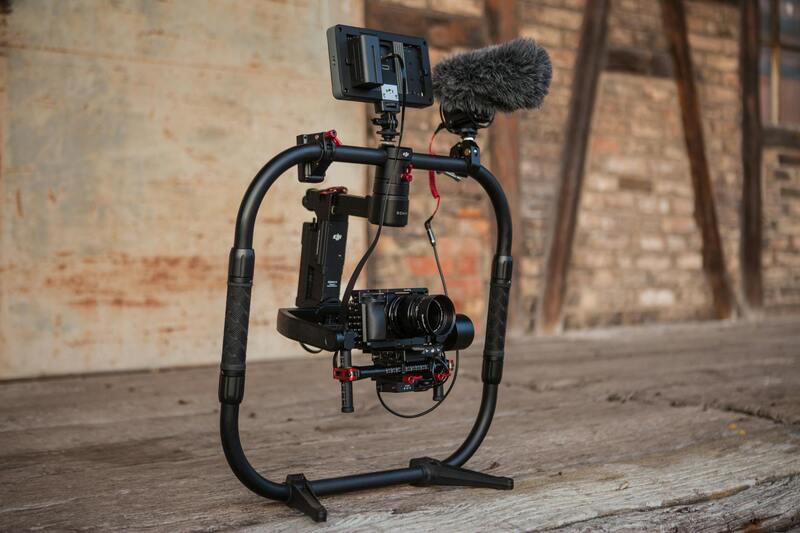
Besides hardware, robust networking infrastructure is vital. A dedicated internet connection with sufficient upload bandwidth ensures stream stability and quality. Redundant network solutions and backup systems are often incorporated to mitigate potential disruptions. For audio, professional microphones and mixers are essential to deliver clear sound, while lighting enhances video quality, especially in low-light environments.
Planning and Collaboration Process
Effective live streaming begins with meticulous planning. It involves liaising with event organizers to understand objectives, technical requirements, and audience expectations. Detailed pre-production meetings are conducted to define shot lists, graphics, branding elements, and key moments. Coordination with venue staff ensures smooth setup, while comprehensive site surveys identify power sources, internet connectivity points, and potential interference sources.
Close collaboration among technical teams, content producers, and clients guarantees alignment. Establishing clear communication channels and contingency plans addresses unforeseen challenges proactively. Documenting the production plan, including timeline, equipment checklist, and roles, helps streamline the entire process from setup through to broadcast.
On-site Production Setup
Arriving well in advance of the event, production crews set up technical equipment strategically across the venue. This includes positioning cameras for optimal coverage, running cabling for power and video feeds, and verifying network connections. On-site technicians perform real-time testing of all systems, making adjustments as needed to optimize quality.
During the event, the production team manages multiple operations from a control booth, overseeing camera switching, graphics insertion, audio mixing, and stream encoding. Real-time monitoring ensures consistent signal strength, visual fidelity, and audio clarity. If issues arise, troubleshooting protocols facilitate rapid resolution, minimizing impact on the broadcast.
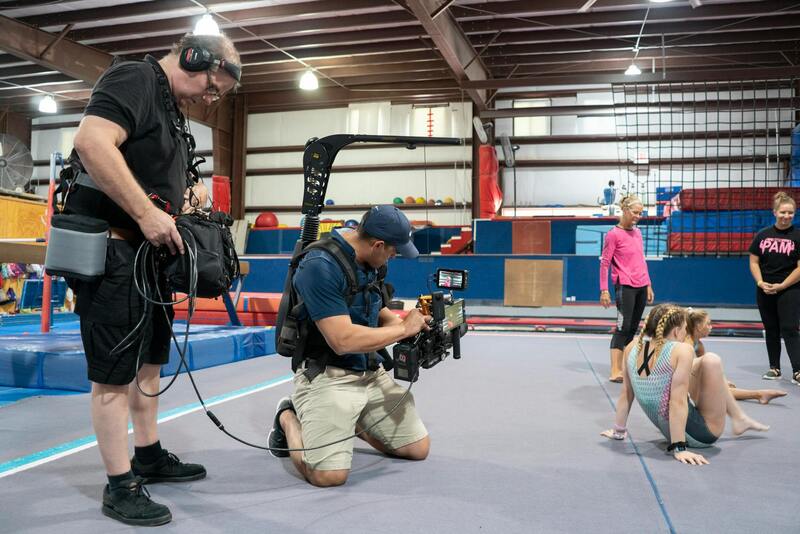
Effective coordination among on-ground technicians is crucial for capturing the best visuals and maintaining seamless broadcast quality. Power backups and network redundancies further safeguard against interruptions, ensuring continuous transmission regardless of on-site challenges.
Streaming Platforms and Distribution Channels
Selecting the appropriate streaming platform is critical for reaching the target audience effectively. Different platforms offer varying features such as adaptive streaming, monetization options, and viewer engagement tools. For wide audiences, platforms like YouTube Live and Facebook Live are popular for their extensive reach and ease of access. For corporate or niche events, private streaming solutions or dedicated enterprise platforms provide enhanced security and control.
Distribution channels extend beyond primary streaming platforms, including embedding streams into websites or social media pages. Using multi-platform streaming allows broadcasters to maximize visibility and engagement. Integrations with analytics tools enable tracking viewership patterns, engagement metrics, and audience demographics, informing future content strategies.
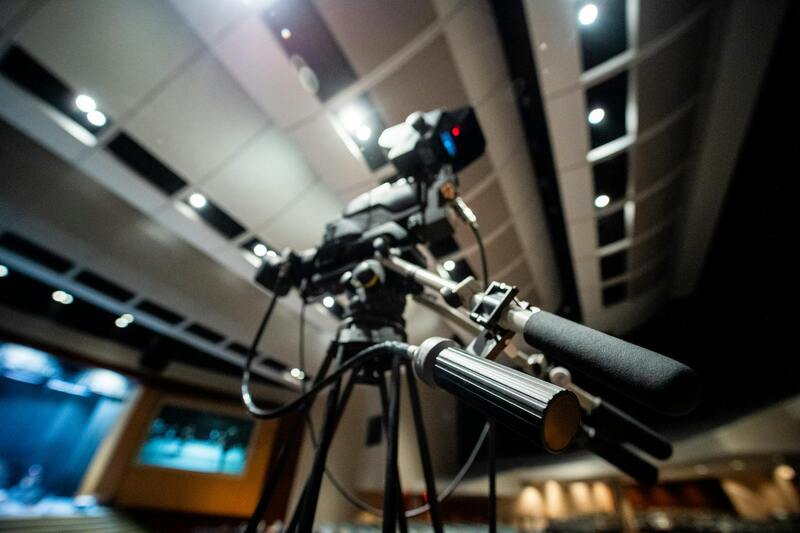
Diversifying distribution ensures content accessibility across various devices, including smartphones, tablets, and desktops, providing a consistent viewer experience. Embedding live streams into corporate websites, event apps, or digital signage expands exposure opportunities and supports branding initiatives.
Equipment and Technology Requirements
Achieving high-quality live streaming content relies on the meticulous selection and integration of advanced equipment and technology. A professional live streaming production begins with high-definition cameras capable of capturing crisp, clear visuals from multiple angles. These cameras should be paired with high-quality switchers that allow for seamless mixing of different video feeds, enabling dynamic broadcasting that can adapt to the flow of the event.
Audio clarity is equally essential, necessitating the use of professional-grade microphones, mixers, and audio processors to ensure sound is crisp and free from background noise or distortion. Proper audio mixing during the live stream enhances viewer engagement and allows for the inclusion of multiple audio sources, such as commentary, interviews, or ambient sound.
Beyond video and audio capture, reliable streaming hardware such as encoders—either hardware or software-based—is crucial for transmitting the broadcast signal over the internet. Encoders convert the live feed into data streams compatible with various streaming platforms, optimizing for bandwidth and resolution. Redundancy measures, including backup encoding systems and power supplies, are implemented to prevent disruptions caused by hardware failure or power outages.
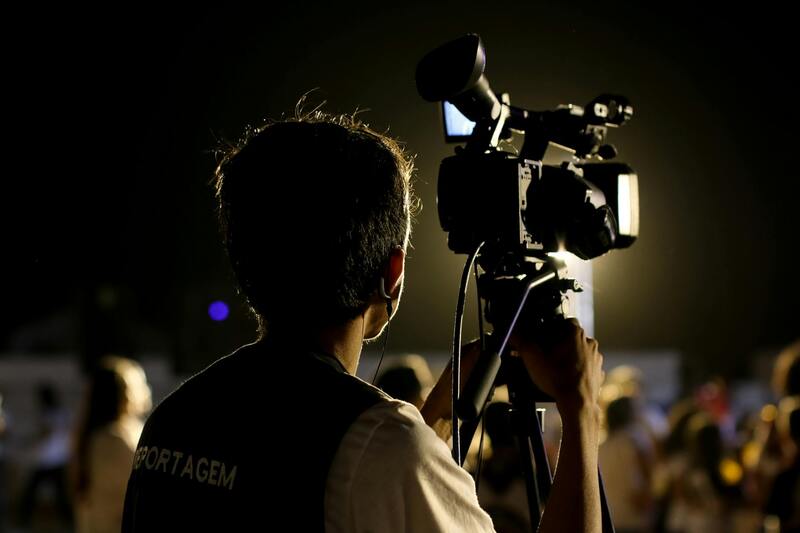
Network infrastructure is fundamental in supporting the high bandwidth demands of live streaming. Gigabit Ethernet connections, Wi-Fi with sufficient bandwidth, and robust network switches are employed to ensure stable and high-speed data transfer. Firewalls and network security measures protect the streaming infrastructure from potential disruptions or cyber threats.
Technology Framework and Software Solutions
- Encoding Software: Platforms such as OBS Studio, vMix, or Wirecast facilitate live production workflows, offering features like layering, transitions, and real-time graphics.
- Content Management: Content management systems (CMS) integrated with streaming hardware help schedule, monitor, and control live streams efficiently.
- Analytics and Audience Engagement: Integrations with analytics tools allow real-time tracking of viewership metrics, engagement levels, and geographic distribution, informing on-the-fly adjustments for maximum impact.
Implementing the right combination of these tools and equipment ensures a smooth broadcast, high visual fidelity, and a professional appearance that aligns with event goals, whether it is a corporate conference, cultural event, or live performance.
Technical Support and Troubleshooting
Providing seamless live streaming experiences depends heavily on comprehensive technical support and effective troubleshooting protocols. Live streaming production services employ highly skilled technicians who monitor broadcasts in real time, ready to identify and resolve issues promptly. This proactive approach minimizes potential disruptions that could affect the viewer experience and ensures that the live event proceeds according to schedule.
One of the core aspects of technical support involves pre-event testing and system checks. Prior to the event, comprehensive assessments are conducted on all hardware and software components, including camera feeds, encoding devices, and internet connectivity. These tests validate that all equipment functions optimally under the anticipated load and within the expected environmental conditions of the venue.
During the broadcast, continuous monitoring of network stability, audio levels, and video quality is essential. Immediate action is taken if anomalies are detected. For example, if a camera feed drops, technicians can seamlessly switch to backup sources or re-route streams to prevent viewer interruption. Additionally, troubleshooting protocols include quick hardware diagnostics to identify faulty equipment, with priority given to replacing or repairing components that could cause further issues.
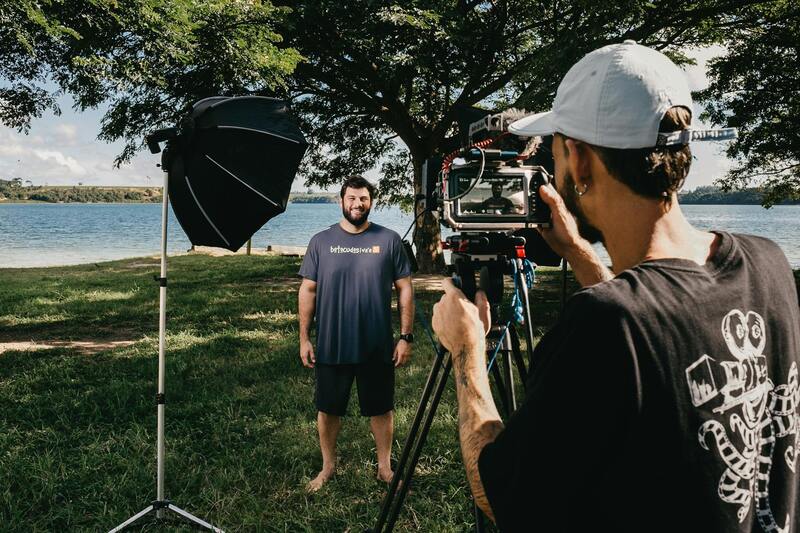
Advanced live streaming setups incorporate redundant systems, such as secondary encoders and backup power supplies, to ensure uninterrupted broadcast in case of technical failures. Network security measures, including firewalls and encryption, shield the streaming infrastructure from cyber threats that could compromise data integrity or cause service interruptions.
Efficient troubleshooting also involves effective communication channels between the production team and the venue staff. Clear protocols and defined escalation paths enable rapid responses to issues, whether they involve connectivity, hardware malfunction, or software glitches. This collaborative approach guarantees a professional broadcast environment, allowing clients to focus on their event content without concerns over technical difficulties.
By integrating these reliable support systems and proactive troubleshooting methods, live streaming production services ensure high-quality delivery that meets the standards expected by clients and engages audiences effectively. The combination of skilled personnel, cutting-edge technology, and meticulous planning forms the backbone of successful live event broadcasts, especially within the dynamic and high-demand environment of Miami's event venues.
On-site Production Setup
Implementing a seamless live streaming experience requires a meticulously planned on-site production setup that can adapt to the unique demands of each event. Experienced production teams coordinate hardware placement, ensuring optimal camera angles, lighting, and audio configurations to capture every detail effectively. Satellite and wired internet connections are tested and optimized to support high-bandwidth data transfer, reducing latency and preventing buffering issues.
In addition to standard equipment, advanced production setups incorporate multiple control stations—such as a dedicated video switcher, audio mixer, and multicast servers—to enable real-time content management and quick decision-making. Skilled technicians monitor live feeds continuously, adjusting settings on the fly to maintain video quality, audio clarity, and synchronization across multiple streams and platforms.
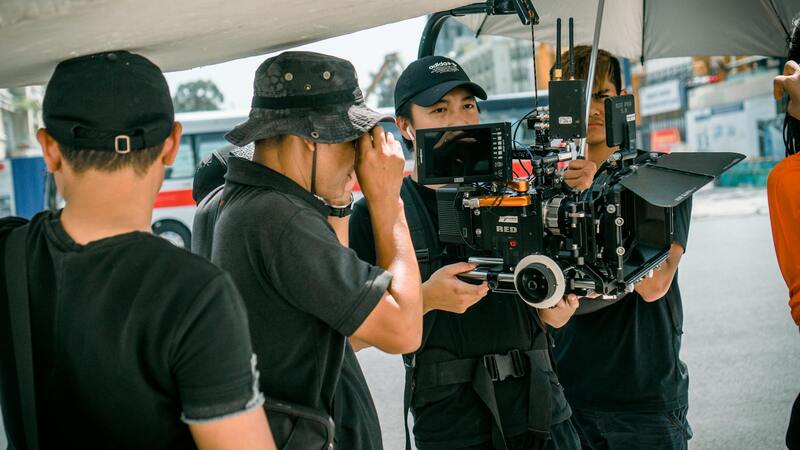
The integration of multi-camera systems, including PTZ (pan-tilt-zoom) cameras and handheld units, allows for dynamic coverage of the event, providing viewers with a cinematic viewing experience. Additionally, live graphics, lower thirds, and real-time overlays are managed by broadcast operators to enhance the visual appeal and deliver information seamlessly. As part of the setup process, system redundancy is prioritized—backup encoders, power supplies, and network bridges are in place to mitigate potential disruptions and guarantee a stable broadcast environment.
Effective communication tools, such as intercom systems and backstage communication channels, enable real-time coordination among production staff, technical teams, and onsite personnel. This ensures swift responses to unforeseen issues, allowing the production to adapt and deliver an uninterrupted broadcast.
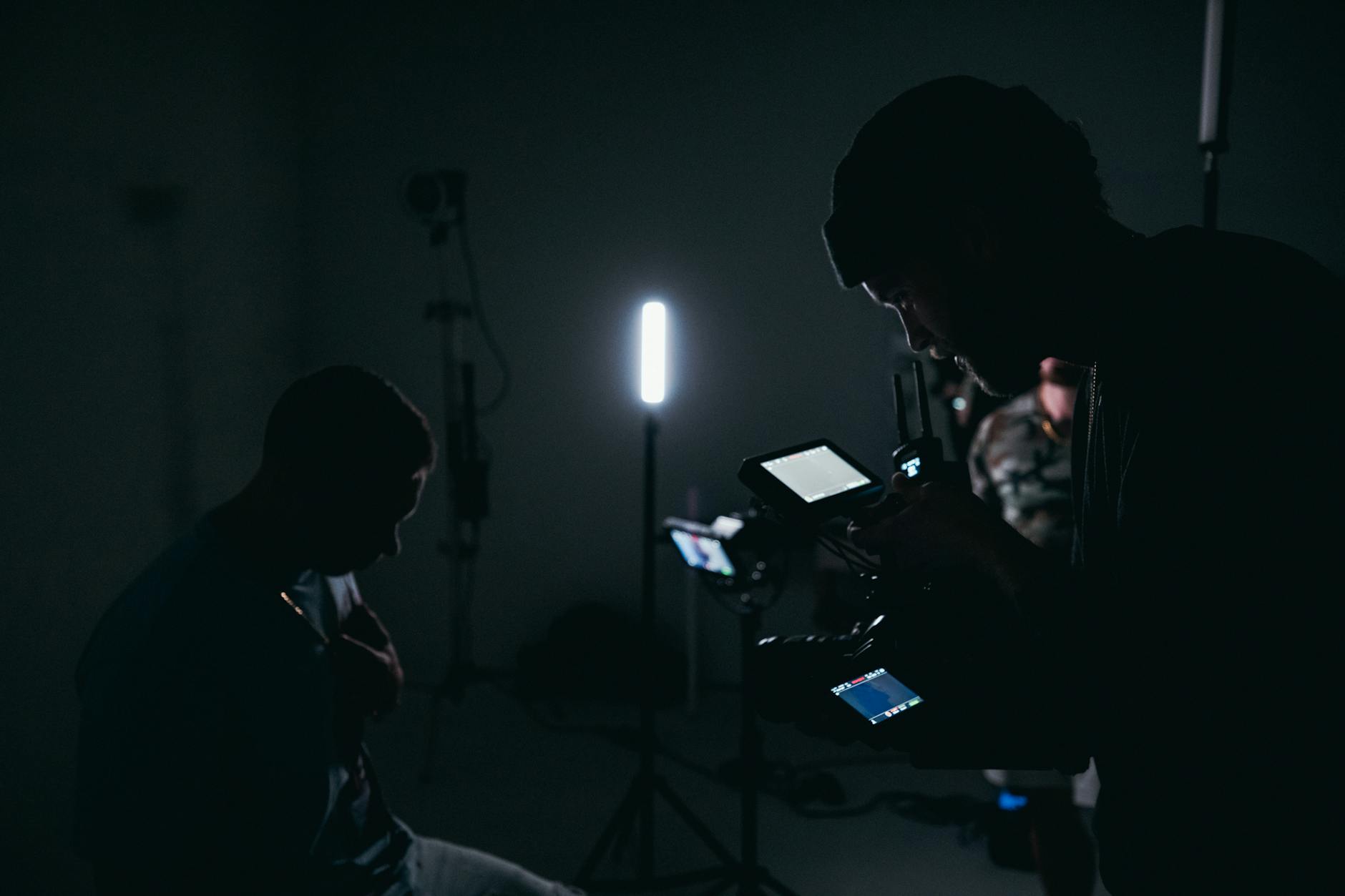
Throughout the setup process, adherence to safety standards and venue protocols is critical. Proper cable management, secure mounting, and environmental controls safeguard equipment and personnel, maintaining operational integrity. By focusing on these technical and logistical details, Miami-based live streaming providers guarantee robust and resilient on-site production environments capable of handling high-profile events with precision and professionalism.
Comprehensive Equipment and Technical Setup for Live Streaming
Achieving a seamless live streaming experience relies heavily on the integration of advanced equipment and meticulous technical planning. High-definition cameras, professional encoding hardware, and robust networking infrastructure form the backbone of an effective broadcast. PTZ cameras allow operators to deliver dynamic, multi-angle shots that enhance viewer engagement, while handheld cameras provide flexibility for capturing spontaneous moments or close-up details. Complementing these are professional audio capture devices, such as wireless microphones and directional mics, which ensure crystal-clear sound quality essential for viewer immersion.
Critical to the technical setup is the configuration of streaming encoders, which convert and transmit video signals to online platforms. Redundancy measures, such as backup encoders and power sources, are implemented to ensure continuity even if primary systems encounter issues. Network stability is maintained through high-speed, dedicated internet connections equipped with failover solutions—this prevents interruptions caused by bandwidth fluctuations or network outages. Additionally, hardware and software tools like real-time graphics systems, overlays, and multi-view monitors facilitate live visual enhancements and efficient production management.
On-site production also involves careful cable management to prevent accidents and maintain operational safety. Proper mounting of cameras and equipment placement fosters optimal sightlines and unobtrusive coverage. Environmental controls, including climate regulation within the venue, safeguard equipment from overheating or moisture damage. These technical arrangements require close collaboration between the production team, technical specialists, and venue personnel to ensure compliance with venue standards and safety protocols.
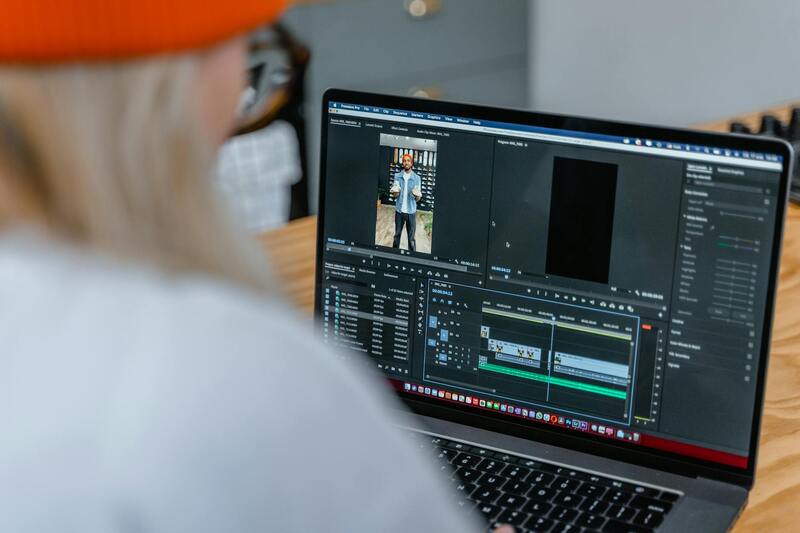
Strategic Planning for Effective Live Streaming Delivery
Successful live streaming events demand comprehensive planning involving detailed coordination among all stakeholders. This process begins with understanding the event’s objectives, target audience, and logistics. A dedicated production team conducts site surveys to assess available infrastructure, identify potential challenges, and establish optimal camera placements and equipment configurations.
Effective communication channels are established to facilitate real-time decision-making, including intercom systems and synced communication platforms for producers, camera operators, and technical staff. A detailed run sheet outlines the broadcast sequence, camera cues, graphic insertions, and transition points, ensuring the entire team adheres to a synchronized plan. Contingency strategies are also developed, addressing potential issues such as technical failures or unexpected delays, which minimizes downtime and maintains broadcast integrity.
Collaboration extends to the content team, event organizers, and digital strategists to optimize branding, viewer engagement, and overall messaging. Regular rehearsals or dry runs are conducted to troubleshoot technical workflows and familiarize staff with the event layout, cues, and roles. This preparation significantly contributes to a smooth live event where technical glitches are minimized, and visual storytelling is maximized.
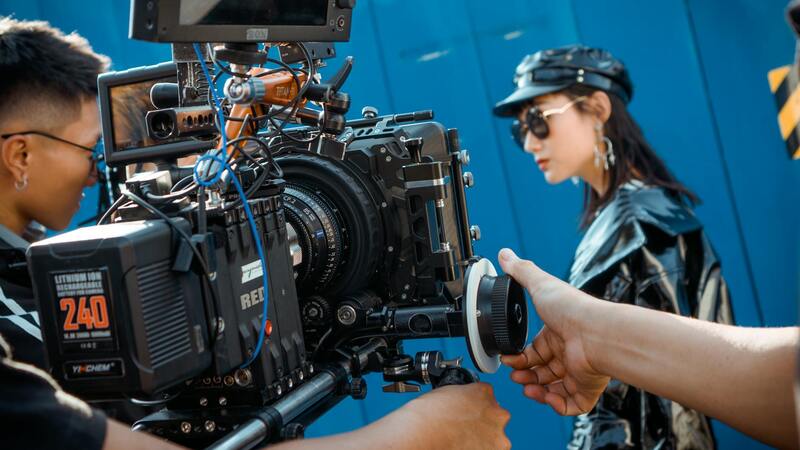
Advanced Techniques and Innovations in Live Streaming Production
The landscape of live streaming production continues to evolve rapidly, driven by technological advancements and innovative practices that enhance broadcast quality, viewer engagement, and operational efficiency. Expertise in implementing cutting-edge solutions allows production teams to deliver dynamic and immersive content that resonates with diverse audiences. Here are some of the most impactful techniques and innovations shaping the industry today.
Utilization of 4K and HDR Video Technologies
High-resolution video formats like 4K, combined with High Dynamic Range (HDR), offer exceptional clarity, vibrant colors, and detailed imagery. Incorporating these formats into live streams elevates overall production quality, making visuals more lifelike and engaging. As bandwidth capabilities improve, the adoption of 4K and HDR is becoming increasingly standard, requiring upgraded equipment and dedicated streaming infrastructure to handle larger data loads without compromising stream stability.
Multi-Camera and Dynamic Switching Systems
Employing multiple camera angles and dynamic switching allows producers to craft a professional and cinematic broadcast. Advanced switcher consoles support real-time transitions, picture-in-picture effects, and animated graphics, enriching the viewer experience. Remote camera control systems facilitate camera operator flexibility, especially when covering large venues or events requiring complex shot compositions.
Stream Encryption and Security Protocols
Protecting live content from unauthorized access and piracy is paramount. Modern live streaming solutions incorporate encryption methods such as Secure Real-Time Transport Protocol (SRTP) and Digital Rights Management (DRM). These security measures safeguard both the content and the viewing platform, ensuring that the live event remains exclusive to authorized audiences and reducing the risk of malicious interference.
Artificial Intelligence (AI) and Machine Learning Applications
AI-driven tools significantly enhance production workflows, from automated camera tracking and facial recognition to real-time analytics and viewer engagement metrics. Machine learning algorithms can proactively adjust stream quality based on network conditions, detect potential issues before they impact viewers, and streamline content moderation. These innovations enable a more adaptive, responsive, and professional broadcasting environment.
Cloud-Based Production and Streaming Management
Cloud computing offers scalable and flexible infrastructure, simplifying the management of live streams across multiple platforms. Cloud solutions support collaborative workflows, remote editing, and real-time data sharing, reducing the need for extensive on-site hardware. This approach also facilitates quick deployment for events of varying sizes, ensuring a seamless streaming experience regardless of location or complexity.
Integration of Augmented Reality (AR) and Virtual Sets
AR overlays and virtual set environments allow dynamic visual storytelling, providing immersive backgrounds and interactive graphics that adapt seamlessly during live broadcasts. This feature is particularly valuable for corporate events, product launches, and entertainment shows, adding professionalism and innovative appeal to the presentation.
Improvements in Audio Capture and Processing
Clear, high-quality audio is vital for viewer engagement. Advances include digital wireless microphones, directional audio pickup, and real-time audio processing with noise reduction and mixing. Spatial audio techniques further enhance the realism by creating a three-dimensional sound environment, especially beneficial in virtual reality (VR) applications or immersive event broadcasts.
Enhanced Interactivity and Audience Engagement Tools
Interactive elements such as live polls, chat integrations, real-time Q&A, and social media feeds foster greater audience participation. These features are often integrated directly into the live stream platform, providing a richer, more engaging viewer experience while increasing reach and influence.
Future-Proofing Live Broadcasts
Staying ahead in the live streaming industry necessitates continuous adaptation to emerging technologies and trends. This includes scalable infrastructure, flexible software solutions, and ongoing staff training. Regular upgrades and evaluations ensure that production services remain competitive, reliable, and ready to meet evolving audience expectations and content demands.