
Understanding Livestream Production Services
Livestream production services encompass a comprehensive set of solutions designed to deliver high-quality live broadcasts for a variety of purposes, including corporate events, concerts, educational seminars, and community gatherings. These services are vital for organizations seeking to expand their reach beyond physical venues, providing an immersive experience for remote audiences. A livestream production company specializes in managing the technical and creative aspects of broadcast production, ensuring seamless execution from pre-production planning to post-event analysis.
Core offerings of a professional livestream production firm include multi-camera setups, which enable dynamic shot compositions and visual diversity during a live event. Live switching capabilities allow operators to alternate between camera angles in real time, creating a polished and engaging viewing experience. Additionally, streaming management ensures that the broadcast reaches the designated online platforms with minimal latency, stability, and optimal video quality. Other critical services may include audio mixing, graphics insertion, real-time comment moderation, and video recording for on-demand access.
Effective livestream production demands a blend of technical expertise and creative storytelling. The production team carefully plans camera placements, audio configurations, and visual embellishments to communicate the event’s message clearly. Moreover, a reliable internet connection and backup systems are essential to prevent disruptions during the live broadcast. These companies often provide end-to-end solutions, from initial consultation, stage setup, and equipment rental to live operation and post-event content management.
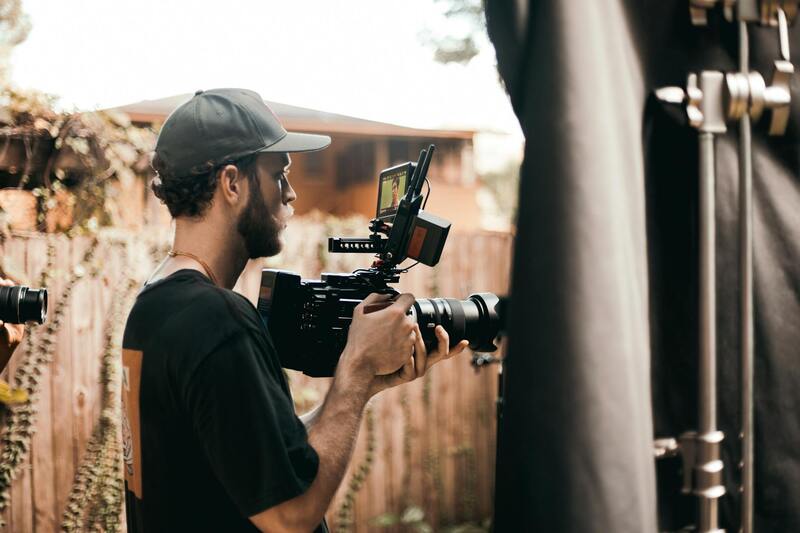
Choosing the right livestream production partner necessitates evaluating their technical capabilities, industry experience, and understanding of the client's specific needs. The ideal company offers tailored solutions, robust infrastructure, and a proven track record of delivering successful live streams. They should also prioritize clear communication, comprehensive planning, and adherence to schedules to ensure the event runs smoothly from start to finish. An experienced producer can help clients maximize engagement and achieve their objectives through meticulously executed live broadcasts.
Overall, a professional livestream production service serves as a vital link between event organizers and their remote audiences, facilitating impactful communication through cutting-edge technology and expert execution.
Key Components of Livestream Production
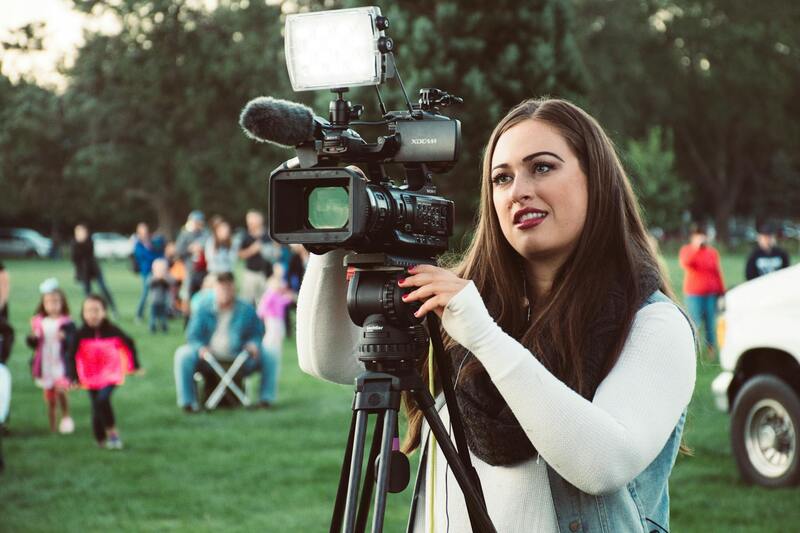
Ensuring a successful live broadcast hinges on the integration of several critical components, each contributing to the overall quality and reliability of the stream. High-definition video equipment forms the cornerstone of professional livestream production, requiring advanced cameras capable of capturing clear, crisp images even in variable lighting conditions. These cameras are often complemented by multiple angles, providing dynamic visuals that enhance viewer engagement.
Equally vital is the audio setup. Clear, distortion-free sound is essential for conveying messages effectively and maintaining audience interest. This involves using professional microphones, sound mixers, and audio processors to balance voices and ambient sounds while minimizing background noise. Strategic placement of microphones and sound checks prior to the broadcast are standard practices to achieve optimal audio clarity.
Lighting is often an overlooked aspect but plays a crucial role in visual quality. Proper lighting setup ensures subjects are well-lit and visually appealing, avoiding shadows or overexposure that can diminish the viewer experience. Light placement, color temperature, and intensity are carefully calibrated to match the environment and subject focus.
Underlying all visual and audio elements is a robust internet connection. A dedicated, high-bandwidth network is essential for transmitting data without interruptions. Content delivery networks (CDNs) and backup internet sources are frequently employed to mitigate potential connectivity issues, guaranteeing a smooth streaming experience regardless of unforeseen disruptions.
Choosing the Right Livestream Production Partner in Miami
Partnering with an experienced livestream production company in Miami requires assessing their technological infrastructure, expertise, and ability to customize solutions suited to specific event requirements. The ideal provider maintains up-to-date equipment, employs skilled technicians, and adopts industry best practices for seamless execution.
Local proximity also enables more effective communication and on-site coordination, ensuring that logistics align precisely with event schedules. A company's portfolio, client testimonials, and previous event case studies serve as indicators of their capacity to deliver consistent, high-quality results.
Furthermore, a reputable partner emphasizes clear planning workflows, starting with thorough consultation to understand client goals. Their team should possess the ability to adapt to different event types, from corporate conferences and concerts to sports competitions and religious services, ensuring that every element is executed flawlessly.
Evaluating their technical capabilities, such as live switching, multi-camera operation, graphics integration, and audience interaction features, can significantly influence the overall broadcast quality. Moreover, a comprehensive understanding of security protocols and data privacy measures reassures clients of a secure streaming environment.
Technical Infrastructure Critical for Seamless Livestreams
Establishing a robust technical foundation is paramount for effective livestream production. A proficient company invests in high-definition cameras capable of delivering crystal-clear visuals, even in challenging lighting conditions. These cameras are often networked through high-speed, reliable connections to facilitate real-time switching and minimal latency. In addition, quality audio equipment such as shotgun microphones, wireless lapels, and audio mixers ensures that sound remains clear and synchronized with the visuals.
An essential aspect of technical infrastructure is the broadcast software. Industry-standard platforms enable the integration of graphics, overlays, and lower-thirds, enhancing viewer engagement and professionalism. Multi-camera switching hardware allows producers to seamlessly alternate views, providing dynamic coverage that maintains audience interest.
Furthermore, a dependable streaming protocol such as RTMP (Real-Time Messaging Protocol) offers a stable connection to various streaming platforms. Backup systems including redundant internet connections and power supplies safeguard against unexpected disruptions. This redundancy guarantees continuous broadcasting, even amidst technical difficulties.
Another vital component is the integration of audience interaction tools. Live polling, Q&A features, and chat moderation are facilitated through specialized software, creating an immersive experience for viewers. For events with large audiences, multiple stream servers may be employed to handle high traffic, preventing buffering and ensuring smooth playback.
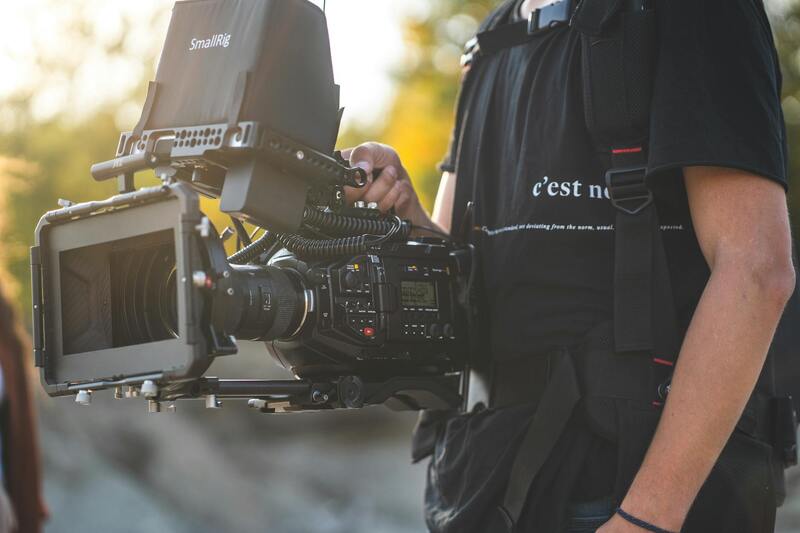
Having a comprehensive understanding of these technologies enables a production company to tailor solutions that meet the specific needs of each event, ensuring high-quality output regardless of the scale or complexity. Adequate training for technical staff on the latest equipment and software updates is equally critical to maintain operational excellence, troubleshoot swiftly, and adapt to evolving broadcast standards.
Understanding Livestream Production Services
Livestream production has become an essential service for organizations looking to reach broader audiences with their events. Professional livestream production companies provide end-to-end solutions that encompass planning, technical setup, content management, and live broadcasting. These services ensure seamless delivery of high-quality video content across various platforms, accommodating the specific needs of each client. Expertise in multiple facets of production, including camera operation, audio engineering, graphics integration, and streaming technology, allows these companies to produce engaging and polished live content that can enhance brand visibility and audience interaction.
Benefits of Professional Livestream Production
- High-Quality Output: State-of-the-art equipment and skilled technicians produce clear visuals and crisp audio, ensuring viewers receive an optimal viewing experience.
- Reliability: Advanced redundancy protocols and backup systems minimize the risk of technical failures, maintaining stream stability even under unforeseen circumstances.
- Customization: Tailored solutions accommodate specific event requirements, from multi-camera setups to interactive viewer engagement tools.
- Scalability: Live streaming solutions can be scaled to accommodate small meetings or large-scale conventions, making them adaptable to varying audience sizes.
- Enhanced Engagement: Integration of graphics, overlays, and live polls fosters a more interactive and engaging viewer experience, encouraging participation and sharing.
The Role of a Livestream Production Company
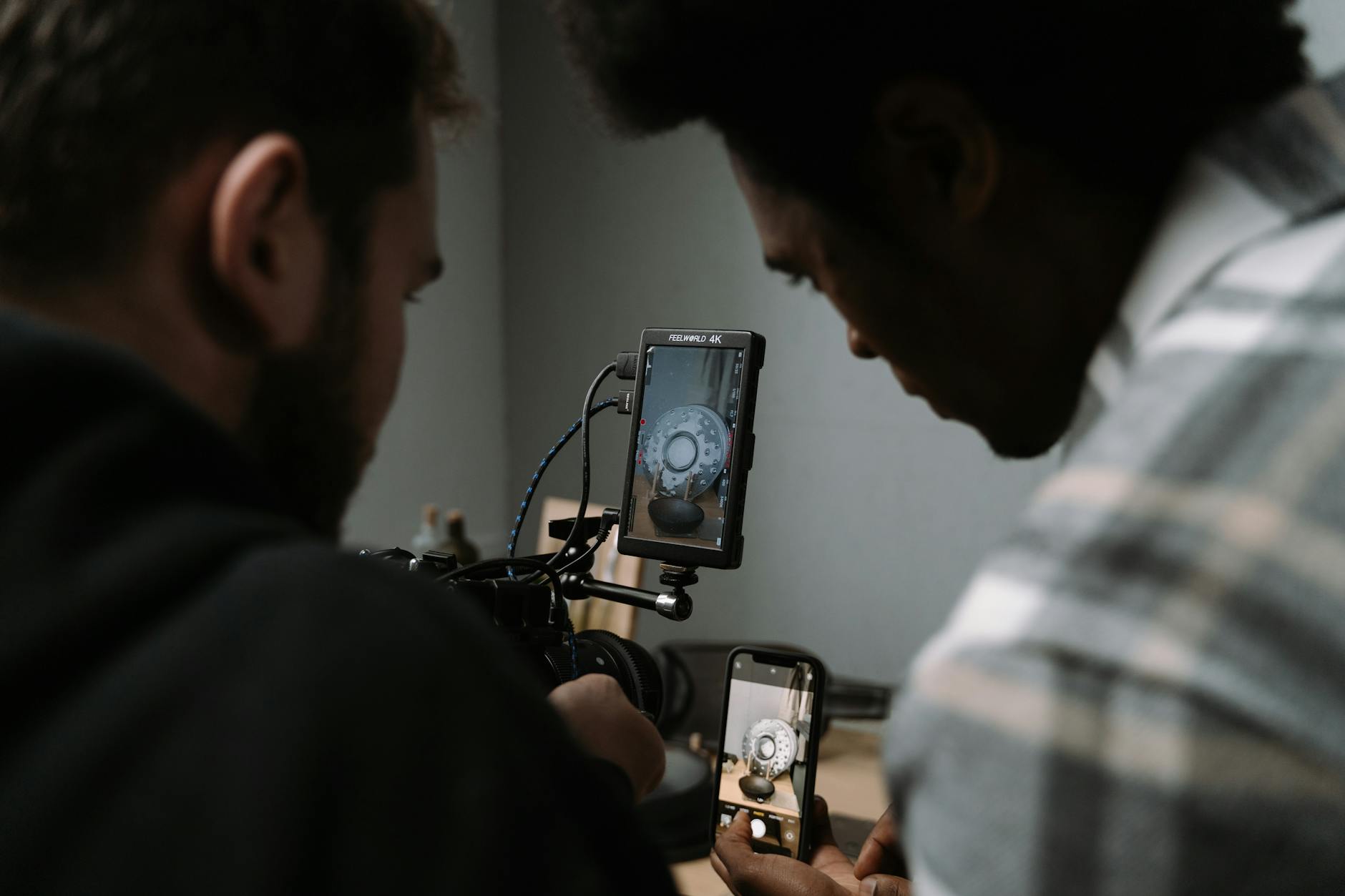
A dedicated livestream production company acts as a strategic partner, managing every element of the broadcast process. They handle pre-production planning, including content scheduling and technical rehearsals, ensuring all equipment functions properly before the event. During the live broadcast, technicians operate cameras, manage audio levels, and execute switching between multiple angles to keep the content dynamic. Post-production support may also be offered, such as editing the recorded stream for on-demand viewing or archiving footage for future use.
Key Components of Livestream Production
Understanding the core elements involved in professional livestream production can shed light on the complexity and precision required. These components include:
- Capture Devices: Cameras of various types, including PTZ (pan-tilt-zoom), robotic, or handheld cameras, provide different perspectives necessary for a compelling broadcast.
- Audio Equipment: Microphones, mixers, and audio interfaces ensure clear sound, which is crucial for maintaining audience engagement.
- Graphics and Overlays: Visual elements like lower-thirds, logos, and informational graphics are integrated seamlessly to enhance branding and provide context.
- Streaming Hardware and Software: Encoders and streaming platforms distribute the content efficiently, ensuring low-latency transmission across platforms such as YouTube, Facebook, or custom websites.
- Networking Infrastructure: Reliable internet connections with backup options are vital to prevent disruptions, especially during high-traffic events.
Choosing a Livestream Production Partner in Miami
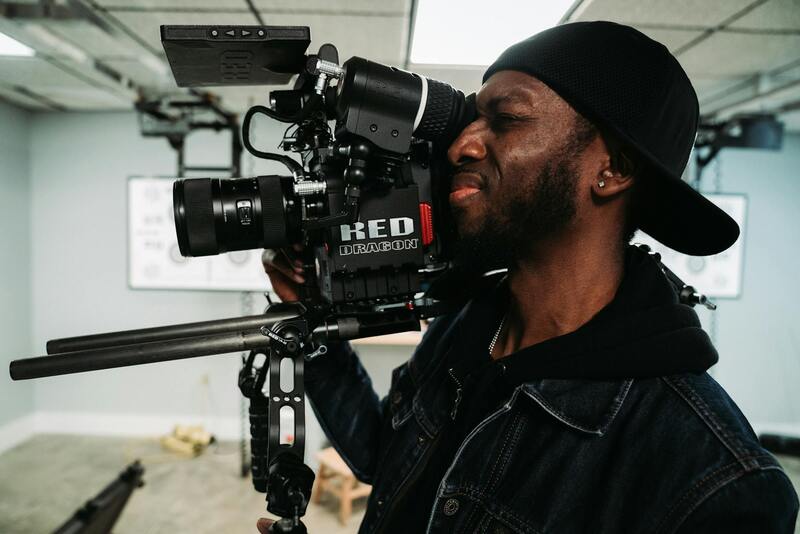
When selecting a livestream production company, it’s essential to consider their experience, portfolio, and technological capabilities. An experienced company such as MiamiEventVideo.com offers customized solutions tailored to diverse event types, from corporate conferences to live performances. Clients should evaluate their technical staff's expertise, the quality of equipment used, and their ability to handle the complexity of each event. Furthermore, transparent pricing structures and comprehensive service offerings contribute to a smooth collaboration. The right partner will not only manage technical execution but also provide strategic advice on content presentation and audience engagement strategies, ensuring the event's success from start to finish.
Production Planning and Coordination
Effective production planning is the cornerstone of a successful livestream event. This process begins with comprehensive pre-production meetings, where client objectives, target audiences, and desired outcomes are clearly articulated. During these sessions, the production team collaborates closely with clients to develop a detailed timeline, storyboard, and content outline, ensuring all elements align with the event’s goals. Logistical arrangements, including scheduling of technical setups and personnel coordination, are meticulously organized to prevent overlaps and delays.
One critical aspect of planning involves technical rehearsals, which allow the crew to test all equipment, resolve potential connectivity issues, and synchronize audiovisual elements. These rehearsals provide an opportunity to troubleshoot unforeseen complications, ensuring that each segment flows smoothly during the live event. Additionally, content scheduling is strategized to maintain audience engagement, with precise cues for transitions, graphics, and multimedia integrations. Such meticulous preparations eliminate uncertainties and foster a seamless streaming experience.
Coordination across all stages of production involves constant communication, clear documentation, and contingency planning. When unexpected challenges arise—such as technical failures or unexpected delays—the production team’s flexibility and preparedness are vital. This rigorous approach guarantees that every detail, from camera angles and audio levels to graphic overlays and streaming transitions, is executed flawlessly, creating a polished and engaging viewing experience for audiences across various platforms.
Technology and Equipment Used in Livestream Production
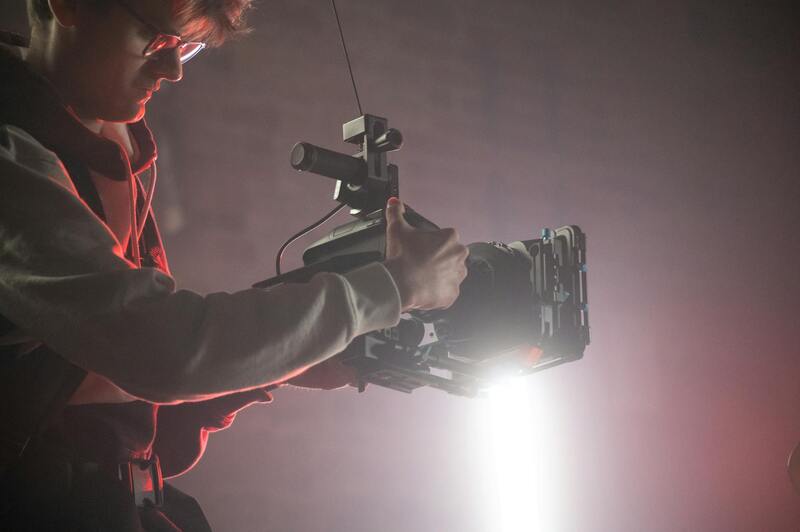
Modern livestream production relies heavily on sophisticated tools that enhance quality and reliability. High-definition cameras, including PTZ (pan-tilt-zoom) models and wireless options, provide versatility in capturing dynamic event visuals. These cameras are paired with professional-grade audio equipment such as shotgun microphones, wireless lapels, and audio mixers that ensure crystal-clear sound, which is essential for maintaining audience engagement.
Encoding hardware and software play a pivotal role in distributing content efficiently. Hardware encoders convert raw footage into compressed streams suitable for internet transmission, while software encoders often provide additional flexibility through on-the-fly editing and overlays. These systems support multi-platform streaming, allowing for simultaneous broadcasts on platforms like YouTube, Facebook, and custom interfaces.
Robust networking infrastructure, including high-bandwidth internet connections with backup options, prevents interruptions during live streams. Network switches, routers, and firewalls are configured to optimize data flow and security. This setup ensures stability even in high-traffic situations or during unforeseen outages, maintaining a consistent viewer experience.
Cost Factors and Budgeting
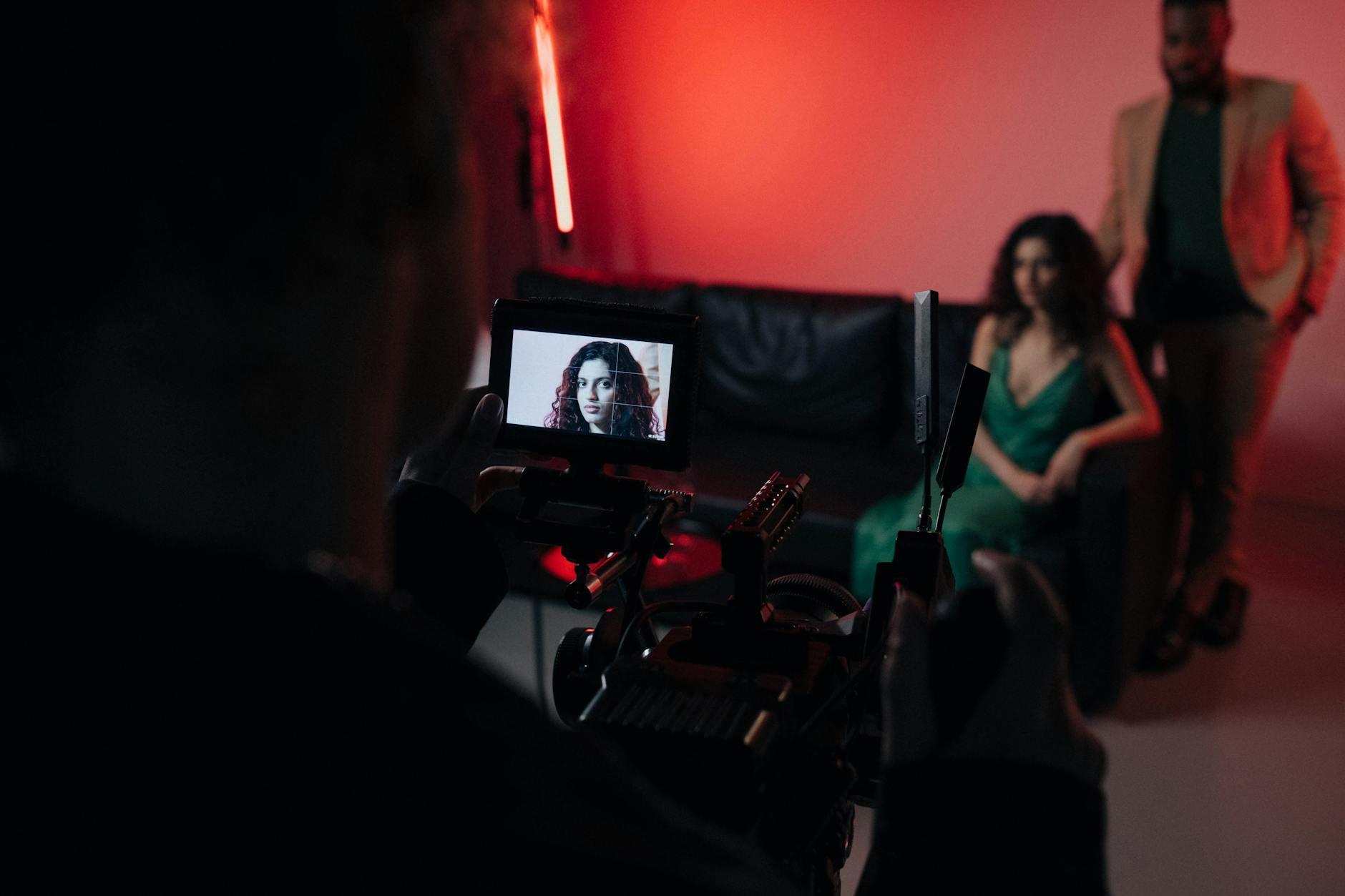
Estimating the budget for livestream production involves analyzing several key factors. Equipment quality and quantity directly impact costs, with high-definition cameras, professional audio systems, and encoders commanding premium prices. The complexity of the event also influences expenses; multi-camera setups with multiple angles and specialized graphics require additional personnel and technology, increasing overall costs.
Labor costs include skilled technicians, operators, and production managers who ensure smooth execution. Rehearsals, testing, and on-site support services further contribute to the budget. Additionally, licensing fees for streaming platforms or proprietary software, as well as internet connectivity expenses, should be factored into the overall financial planning.
It is essential for clients to establish clear budgets aligned with their event scope. Transparent pricing structures from a dedicated livestream production company help manage expectations and facilitate informed decision-making. Careful planning and prioritization ensure that every dollar invested delivers maximum return in terms of quality and audience engagement.
Understanding Livestream Production Services
Engaging a professional livestream production company involves a comprehensive array of services designed to deliver high-quality digital broadcasts. These services encompass everything from pre-event planning and setup to live execution and post-event analysis, ensuring that each broadcast meets both technical standards and client expectations. An experienced producer orchestrates the entire operation, coordinating teams and equipment to achieve seamless integration of visuals, audio, and streaming technology. This holistic approach not only elevates the viewer experience but also enhances the event’s overall impact, making it an effective tool for corporate communications, entertainment, education, and more.
Key Components of Livestream Production
Successful livestreams depend on several vital elements working in harmony:
- High-Definition Cameras: Capture the event with clarity and precision, adaptable for various angles and focus points.
- Professional Audio Equipment: Ensures clear sound quality, including microphones, mixers, and sound engineers for real-time adjustments.
- Encoding and Streaming Hardware: Transmit the digital feed reliably over the internet, supporting multiple platforms and devices.
- Graphics and Visuals: Incorporate overlays, logos, and real-time statistics to enhance engagement and provide context.
- Network Infrastructure: Secure, robust internet connections are vital, with backup solutions in place to prevent disruption.
- Project Management Tools: Coordinate timing, content flow, and technical support through comprehensive planning software.
Choosing the Right Livestream Production Partner in Miami
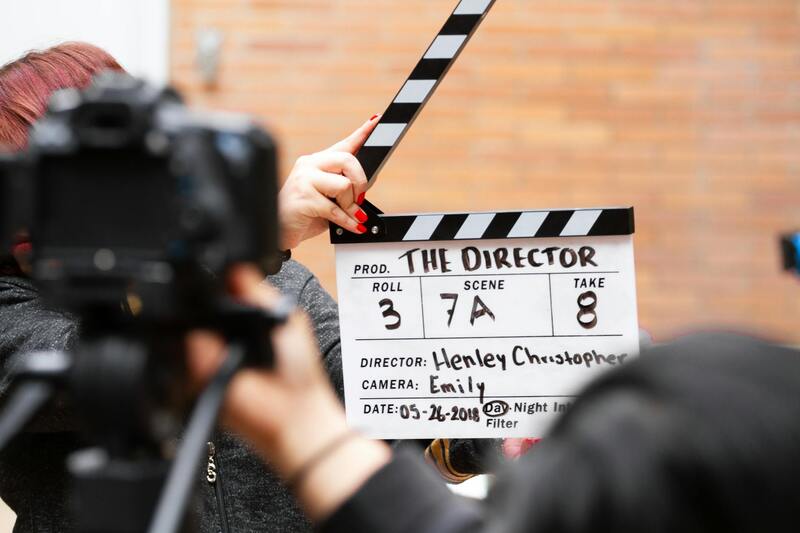
Selecting a reliable livestream production company in Miami requires evaluating their experience, technical capabilities, and client testimonials. A seasoned provider understands the local event landscape and offers tailored solutions that align with specific event goals. An ideal partner demonstrates transparency in their processes, maintains open communication, and provides detailed proposals covering equipment, staffing, and contingencies. Furthermore, a local company can better coordinate with venue personnel and understand regional logistical considerations, ensuring a smooth production from start to finish.
Types of Events Suitable for Livestreaming
Many different types of events benefit from live broadcasting, including:
- Conferences and corporate meetings, for remote stakeholder engagement.
- Concerts and entertainment shows, to reach a wider audience beyond physical venues.
- Educational seminars and workshops, providing interactive learning experiences.
- Religious services, to facilitate community participation from afar.
- Sports competitions, capturing fast-paced action with multiple camera angles.
Production Planning and Coordination
Preparatory phases are crucial for a successful live stream. This involves detailed synchronization between event schedules and technical execution. Initial consultations help define objectives, visual branding, and content flow. Next, detailed shot lists and technical arrangements are established, including camera placements, audio setups, and backup plans. During the event, real-time management ensures all elements align seamlessly. The team monitors stream quality, adjusts camera angles as needed, and manages any technical issues swiftly. Effective communication among production staff, venue personnel, and clients underpins a smoothly executed broadcast that aligns with the event's strategic goals.
Technology and Equipment Used in Livestream Production
When producing professional livestream content, the choice of technology and equipment plays a pivotal role in delivering high-quality broadcasts that meet viewer expectations and adhere to industry standards. A credible livestream production company invests in state-of-the-art tools that enable seamless content delivery, crisp visuals, and clear audio. This includes multiple high-definition cameras capable of capturing different angles, ensuring a dynamic viewing experience. Additionally, reliable video switchers and mixers facilitate real-time editing, allowing smooth transitions between shots, overlays, and graphics that enhance the broadcast's visual appeal.
Audio quality is equally important, with professional-grade microphones, mixers, and audio processing units used to capture and refine sound. This ensures voice clarity, reduces background noise, and delivers immersive audio that complements the visual elements. To support live streaming, robust encoding hardware is required to compress and transmit video data efficiently, reducing latency and buffering issues. Network stability is maintained through dedicated internet connections, with backup options in place to prevent disruptions.
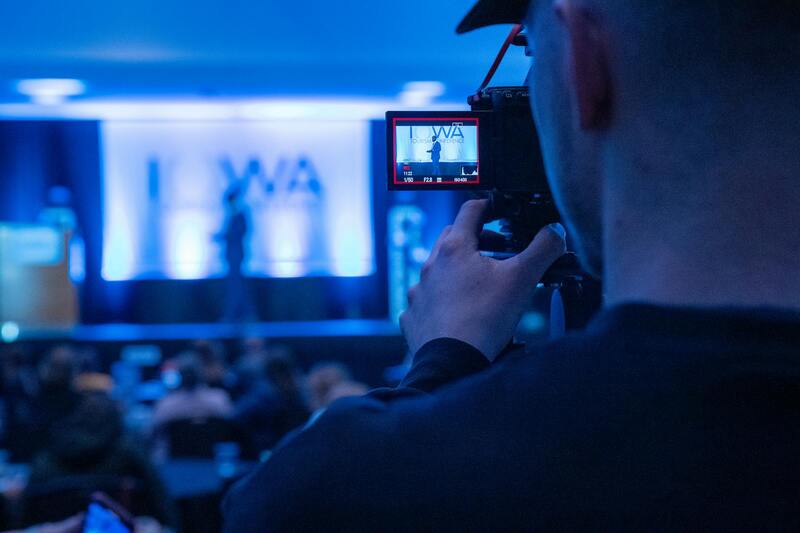
In addition to hardware, software solutions for live streaming include platforms with features like real-time analytics, chat integration, and content management. These tools enable producers to monitor stream performance continuously, engage viewers through interactive features, and make adjustments as needed during the event. For remote production scenarios, virtual studios and cloud-based switching systems are employed to facilitate collaboration with geographically dispersed teams, simplifying coordination and reducing costs.
As technology evolves, innovations such as 4K streaming, virtual reality (VR), and augmented reality (AR) are becoming more accessible, allowing for more immersive and engaging livestream experiences. A professional production team stays abreast of these advancements, integrating them into their workflow when appropriate to elevate the overall quality and viewer engagement of each broadcast.
Advanced Strategies and Security Measures in Livestream Production
For a livestream production company, ensuring the continuity and security of broadcasts is essential to delivering a flawless streaming experience. Advanced strategies involve implementing comprehensive cybersecurity protocols to protect content from unauthorized access and prevent potential breaches or disruptions during live events. This includes deploying secure network architectures, utilizing encryption technologies for data transmission, and regularly updating hardware and software to patch vulnerabilities. Additionally, multi-factor authentication mechanisms are used to restrict access to production controls and content management systems, safeguarding against cyber threats.
To further enhance broadcast reliability, many companies invest in redundant infrastructure. This involves using backup servers, secondary internet connections, and failover systems that automatically activate in case of primary system failures, thus preventing stream interruptions. Conducting thorough pre-event testing and dry runs helps identify potential points of failure, allowing teams to refine their procedures for real-time issues.
In terms of content protection, digital rights management (DRM) solutions are integrated to control how the streamed material is accessed and distributed. This is especially relevant for high-value events or proprietary content, where unauthorized sharing or piracy could undermine the event's profitability or integrity.
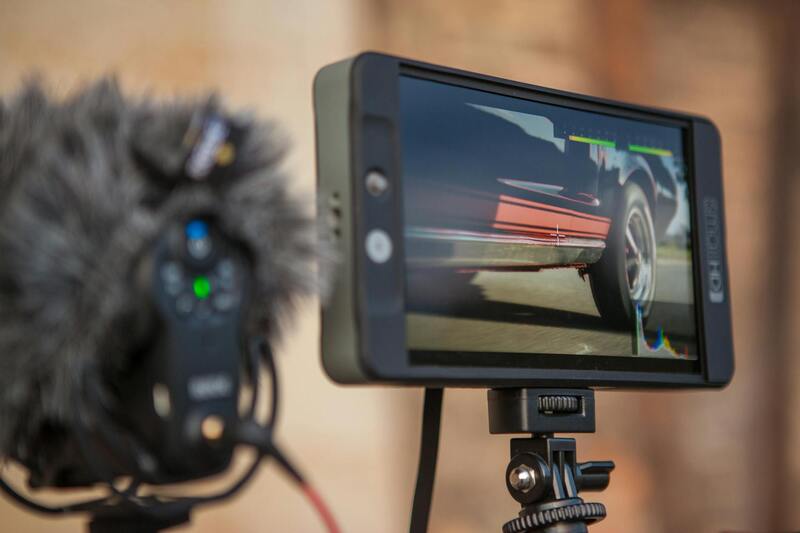
Furthermore, employing real-time monitoring tools allows production teams to identify and respond swiftly to any issues that arise during the broadcast. Metrics such as stream latency, viewer engagement, and system performance are continuously analyzed to ensure smooth delivery. Automated alert systems notify operators immediately if anomalies occur, enabling rapid response and minimizing downtime.
Ultimately, integrating advanced security measures and robust contingency planning into livestream production guarantees a high-quality, dependable broadcast. This not only nurtures viewer trust but also reinforces the reputation of the production company within the industry. With the rapid evolution of streaming technology, staying ahead of these security requirements ensures that live events are delivered seamlessly, maintaining both content integrity and audience engagement.