
Understanding Live Event Streaming Production
Live event streaming production involves the comprehensive process of capturing, transmitting, and broadcasting live events over the internet. This practice has become an integral part of the modern event industry, particularly in vibrant cities like Miami, where diverse cultural events, corporate gatherings, and entertainment festivals demand professional streaming solutions. The importance of high-quality live event streaming lies in its ability to reach wider audiences, enhance attendee engagement, and provide a seamless viewing experience across multiple devices and locations.
In Miami's dynamic event landscape, live streaming enables organizers to transcend physical limitations, offering real-time access to audiences around the globe. Whether it’s a corporate conference, a music concert, or a community fundraiser, professional live streaming ensures that the event’s visual and audio elements are delivered flawlessly, maintaining the event’s integrity and impact. This service also facilitates recorded content for later use, serving as a valuable resource for marketing and promotional efforts.
The process encompasses multiple stages—from initial planning to post-event content distribution—requiring technical expertise and meticulous coordination. As the demand for premium live streaming solutions grows in Miami, understanding the core aspects of live event production becomes essential for organizers seeking to maximize their event’s reach and influence in an increasingly digital world.

Key Components of Live Event Streaming
Execution of a seamless live event stream hinges on several core technical elements that must be meticulously coordinated. High-definition cameras are fundamental; they capture the event from various angles, ensuring dynamic visuals that can adapt to the flow of the event. Multiple camera setups often include tripod-mounted units for stable shots, remote-controlled PTZ (pan-tilt-zoom) cameras for flexible coverage, and highlight cameras for specialized angles or close-ups.
Audio quality is equally critical. Professional-grade microphones, both handheld and lavalier, coupled with high-quality mixing consoles, ensure that sound remains clear and well balanced. Audio feeds are synchronized with the video streams to provide an immersive experience that mirrors attending the event in person. Wireless microphone systems and direct feed connections from the venue’s soundboard are standard methods for capturing live audio with minimal interference.
Switching equipment plays a vital role in maintaining a polished broadcast appearance. Video switchers or mixers allow operators to seamlessly transition between camera angles, add overlays or graphics, and incorporate pre-recorded content when necessary. These tools enable the creation of a professional production that captivates viewers and communicates the event’s message effectively.
Reliable internet connectivity is perhaps the most crucial component. High-speed wired connections are preferred for stability, but backup systems such as mobile LTE or 5G hotspots can provide redundancy in case of network issues. The upload bandwidth must be sufficient to handle the selected streaming quality, often ranging from 4K to HD resolutions. Additionally, network security protocols protect the stream from disruptions or data breaches.

Furthermore, the integration of encoding and streaming software allows for the encoding of raw footage into broadcast-quality streams compatible with various platforms. The choice of streaming protocol (such as RTMP or HLS) influences latency and compatibility, making it imperative to select the appropriate configuration based on the event's needs.
Organization and coordination of these components prior to the event, along with real-time management during the broadcast, are what differentiate professional live streaming from amateur efforts. Each element must be optimized and synchronized to deliver a fluid, engaging viewing experience that meets the high standards of Miami’s vibrant event scene.
Technical Setup and Equipment Requirements
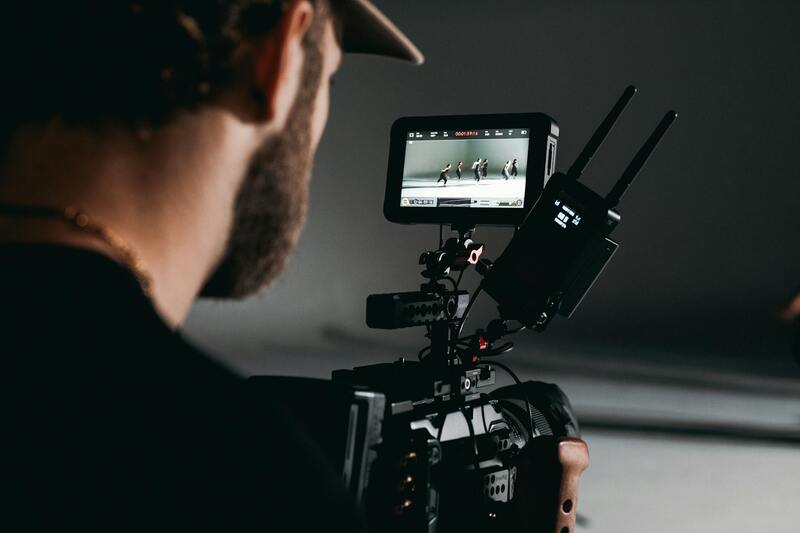
Attention to detail during the technical setup phase ensures a seamless live streaming experience. This phase involves selecting and configuring the right hardware and software to meet the event’s objectives. The core equipment includes high-definition cameras suitable for capturing different angles and perspectives, professional video switchers that enable real-time switching between camera feeds, and audio units that deliver clear sound quality. Multi-channel audio mixers, microphones, and audio processors are crucial to manage sound levels effectively and eliminate background noise.
Additionally, an encoder is essential for converting raw video footage into a streamable format. Hardware encoders are often preferred for their stability and performance, but software encoders offer flexibility and are suitable for less complex events. A reliable streaming platform compatibility check ensures smooth integration. Essential accessories such as tripods, stabilizers, and lighting equipment contribute to professional-quality footage.
Networking equipment also plays a vital role. Routers with high throughput and multiple Ethernet ports help maintain a stable connection. For large venues, setting up local area networks (LAN) with dedicated switches minimizes interference. Power backups like UPS units provide resistance against outages, safeguarding ongoing production.
Technical Setup and Equipment Requirements
Implementing a seamless live event streaming production demands precise technical setup. This setup encompasses a range of high-quality equipment tailored to deliver optimal broadcast quality, reliability, and flexibility. Properly configured hardware ensures that every visual and audio element is captured, processed, and transmitted flawlessly to viewers across various platforms.
At the core of the technical setup are professional cameras, which can vary from broadcast-grade ENG (Electronic News Gathering) cameras to PTZ (Pan-Tilt-Zoom) cameras. These devices provide high-resolution footage and often feature remote control capabilities, allowing operators to focus on key highlights or dynamic shots during the event. The choice of camera depends on the venue size, event type, and desired production value.
Complementing cameras are streaming hardware encoders. These devices convert raw video signals into a digital format suitable for internet transmission. Hardware encoders are preferred for professional settings due to their stability, lower latency, and ability to handle multiple input sources simultaneously. They often support advanced protocols like RTMP (Real-Time Messaging Protocol) or SRT (Secure Reliable Transport), ensuring low-latency and secure streaming.
In addition, networking infrastructure plays a critical role. Dedicated high-bandwidth internet connections, such as fiber-optic lines, are essential to sustain smooth streaming. Redundant internet sources can provide backup in case of primary connection failure, minimizing disruptions. Inside the venue, network switches with multiple Ethernet ports facilitate connection management, and network monitoring tools help track bandwidth usage and signal quality in real-time.
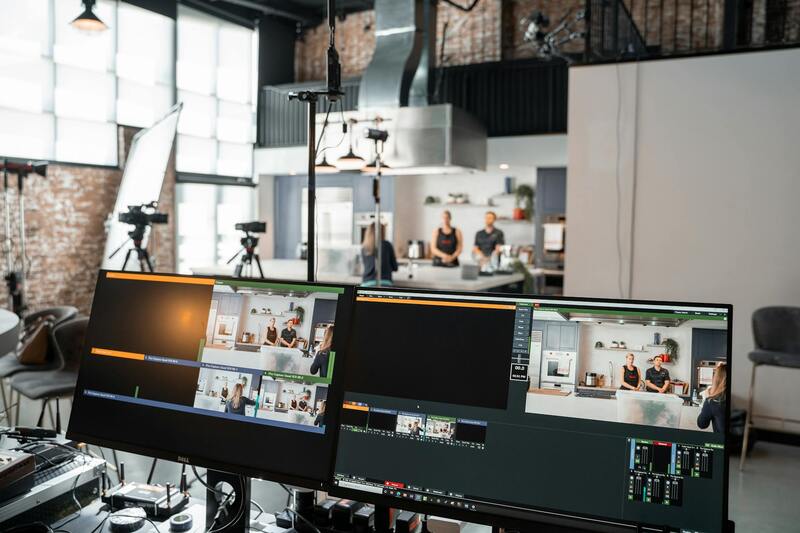
Encoding and decoding software form another crucial component. Professional software solutions like vMix, Wirecast, or vMix GUI serve as control interfaces for live streams, enabling audiences to see multi-camera angles, graphics, or video inserts. These applications often support real-time switching, overlays, and graphics, enhancing the viewer experience.
Backup solutions such as uninterruptible power supplies (UPS) for critical equipment and redundant storage systems safeguard against power failures or hardware malfunctions. Storage devices with ample capacity ensure that raw footage, overlays, and streaming data are securely archived for post-event review or future use. Proper cable management and secure mounting prevent accidents and technical mishaps, maintaining a professional appearance and operational efficiency.
Overall, attention to the technical setup ensures a high level of production quality, minimized technical issues, and a smooth viewing experience. This meticulous preparation is fundamental to delivering exceptional live streaming events that meet the expectations of both onsite audiences and online viewers.
Technical Setup and Equipment Requirements
Implementing a successful live event streaming production demands meticulous planning and a thorough understanding of the technical infrastructure involved. The foundation of a seamless broadcast hinges on the right combination of hardware and software elements, ensuring high-quality audio-visual delivery to an online audience.
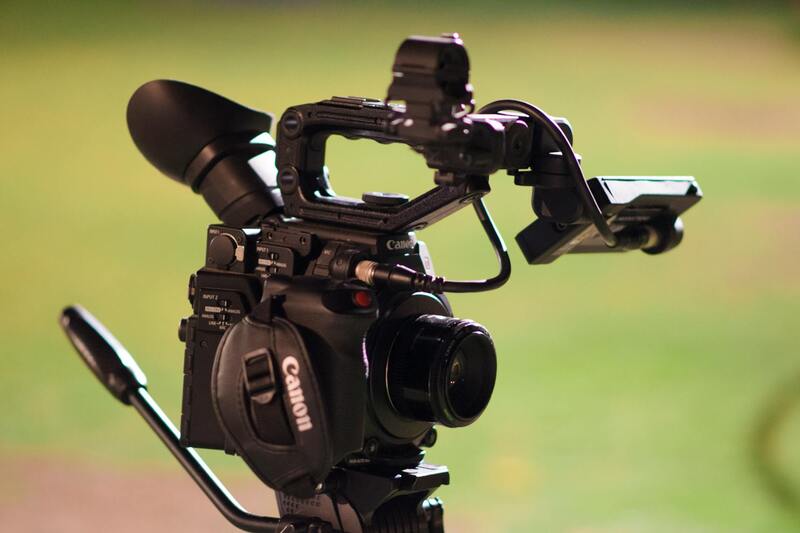
Primary to any live streaming operation is the selection of high-definition cameras capable of capturing the event from multiple angles. These cameras should offer excellent low-light performance to adapt to variable venue lighting conditions, providing sharp, vibrant imagery. Coupling these cameras with professional-grade encoders allows for efficient compression of video data, facilitating smooth transmission over available bandwidths.
Audio quality is equally critical. Using professional microphones—such as lavalier, shotgun, or boundary microphones—ensures clear voice capture, while mixing consoles enable sound balancing and effects that optimize the listening experience. Integrating audio feeds into the live stream via audio interfaces or mixing software further refines sound quality, eliminating feedback or background noise.
For real-time production control, a broadcast control room equipped with multi-view monitors, switching consoles, and graphics generators is essential. This setup allows operators to switch between camera feeds, insert graphics or overlays, and manage live transitions seamlessly. Professional streaming software—such as vMix, Wirecast, or OBS Studio—serves as the central hub for managing live content, providing features like multi-camera switching, overlay graphics, and live titling.
Ensuring a resilient network infrastructure forms the backbone of dependable live streaming. Multiple internet connections, including fiber optic and wireless cellular links, are aggregated to provide sufficient bandwidth and redundancy. Network switches equipped with multiple Ethernet ports facilitate the secure and organized connection of all devices, from cameras and encoders to switches and routers. Real-time monitoring tools enable technical staff to track bandwidth consumption, signal stability, and latency, allowing immediate response to potential issues.
Robust networking equipment and proper cable management are vital to preventing technical disruptions. Power backup solutions such as uninterruptible power supplies (UPS) protect critical equipment from power fluctuations or outages. Additionally, redundant storage systems securely archive raw footage, overlays, and streaming data, facilitating post-event review or repurposing of content.
Optimal setup practices include securing all cabling to prevent accidents and mounting equipment securely to avoid operational disturbances. Implementing proper ventilation and cooling for technical gear ensures longevity and reliable performance during extended broadcasts. Attention to these details culminates in delivering a high-quality, professional live streaming event that can reach wide audiences with minimal technical issues.
Execution of Live Event Streaming
Executing a live event stream involves meticulous coordination of technical and operational elements to ensure a seamless broadcast. Real-time monitoring of streaming quality and system performance is essential during the event. This encompasses overseeing video and audio feeds, ensuring synchronized transmission, and quickly addressing any disruptions that may arise. Assigning dedicated technical staff to monitor various aspects such as network stability, encoder performance, and live chat or interactive features helps maintain high standards throughout the event.
Effective multi-camera switching is a critical aspect of captivating live coverage. Skilled operators manage the camera feeds, selecting the most appropriate angles and shots to enhance storytelling and viewer engagement. Overlay graphics, such as lower thirds, branding elements, and real-time scores, are integrated strategically to provide additional context without distracting from the main content.
Moreover, live titling and branding elements should be seamlessly incorporated, maintaining a consistent visual identity. During the broadcast, any technical hitches should be promptly diagnosed and rectified, whether it involves switching to backup systems or adjusting internet connections to restore quality. Communication between the production team and on-camera talent is vital to execute transitions smoothly and maintain a professional flow.
Effective stream management also extends to audience interaction, whether through live chat moderation or multimedia integration. Streaming platforms often provide tools for real-time analytics, enabling producers to monitor viewer engagement and make adjustments as necessary. This data can inform future improvements and enhance overall audience satisfaction.
Secure streaming protocols are paramount; encrypted data transmission ensures that content remains protected against interference or unauthorized access. Continuous testing and quality assurance before and during the event are crucial to identify potential points of failure and implement solutions proactively. This includes having dedicated backup systems ready to activate in case of primary system failures, thereby minimizing downtime and maintaining viewer trust.
Post-event, a comprehensive review of performance metrics helps identify areas of excellence and aspects needing enhancement. All recorded footage, overlays, and event data should be systematically archived for future use, whether for promotional highlights, on-demand content, or retrospective analyses. Proper documentation and meticulous execution underpin the success of any live streaming event, emphasizing the importance of a skilled production team and robust technological infrastructure.
Advanced Techniques in Live Event Streaming Production
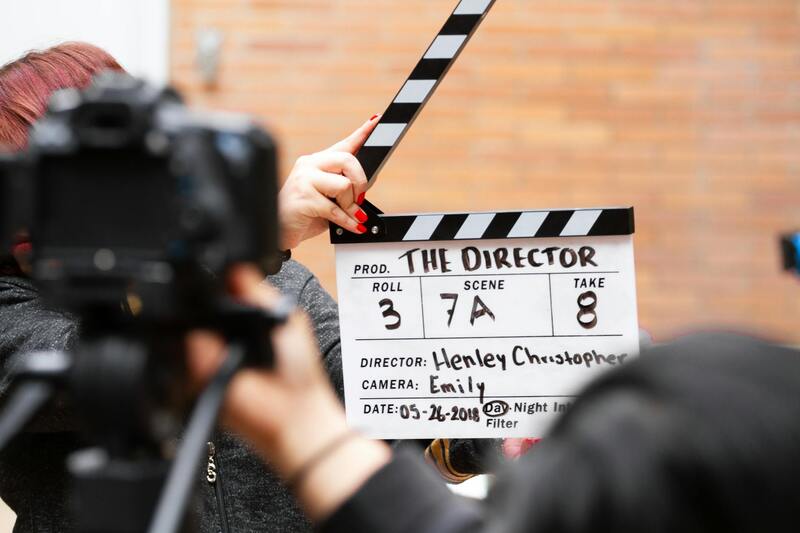
To ensure a seamless and engaging live streaming experience, production teams employ a range of advanced techniques that elevate the quality of the broadcast. This includes the strategic use of multi-camera setups to provide dynamic perspectives, creating a more immersive viewer experience. Professional camera switching and real-time video mixing enable producers to deliver a polished presentation, highlighting key moments or shifting focus based on the event's flow.
In addition, real-time graphics and overlay generation play a crucial role in conveying essential information such as scores, timers, or sponsor messages. These elements should be integrated smoothly to avoid disrupting the viewer's experience. High-quality audio capture is equally critical; using professional microphones and mixers guarantees clear sound, which is vital for maintaining viewer interest and ensuring effective communication during speeches, performances, or interactive segments.
Ensuring Broadcast Reliability and Quality
Reliability is paramount during live streaming operations. Technical redundancies, such as backup internet connections and secondary servers, are indispensable for minimizing disruptions. Continuous monitoring tools should be employed to track stream health, bandwidth usage, and viewer engagement metrics in real time, allowing operators to respond swiftly to any issues that may arise.
Adaptive streaming technologies adapt video quality dynamically based on viewers’ internet speeds, providing a consistent experience across diverse devices and connection qualities. The use of high-bandwidth encoding formats ensures crisp visuals, especially for high-definition content involving detailed visuals like live performances, conferences, or sports events.
Audience Interaction and Engagement Strategies
Interactive features significantly boost viewer involvement. Live chat moderation ensures smooth communication and prevents disruptive or inappropriate comments, fostering a positive online environment. Incorporating real-time polls, Q&A sessions, or viewer feedback elements encourages active participation, making the streaming event more memorable.
Utilizing social media integrations allows viewers to share highlights effortlessly, expanding the reach of the event. Proper moderation, clear call-to-actions, and timely updates contribute to a cohesive experience that resonates with the online audience.
Technical Support and Troubleshooting
Preparing for potential technical issues involves rigorous pre-event testing and having a knowledgeable support team on standby. This team should be adept at troubleshooting common problems such as streaming delays, audio mismatches, or hardware malfunctions. Quick response times and clear escalation procedures are crucial in resolving issues with minimal impact on the live broadcast.
Regular equipment checks and updates to streaming software ensure compatibility and optimal performance. Having spare hardware components, such as extra cameras or microphones, can also prevent delays caused by equipment failures.
Security Measures During Live Streaming
Implementing secure data transmission protocols is essential to protect content and maintain viewer trust. Encryption technologies safeguard against unauthorized interception and tampering. Additionally, access controls and credential management help restrict streaming privileges to authorized personnel only, preventing disruptions or unauthorized broadcasts.
Monitoring tools should be used to detect anomalies or suspicious activities in real time, allowing immediate response if security breaches are suspected. Regular audits and updates to security infrastructure reinforce the safety and integrity of the live streaming environment.
Proper planning, technical expertise, and continuous quality assurance collectively contribute to delivering a professional, reliable, and engaging live event streaming production that meets the expectations of both organizers and viewers.
Advanced Methods for Secure and Reliable Live Event Streaming
When it comes to delivering seamless live event streams, the deployment of official and proven techniques ensures a professional viewing experience while maintaining the integrity of the broadcast. These methods involve meticulous planning, robust technology infrastructure, and adherence to industry standards that prioritize content security and stream stability.
Utilizing Encrypted Transmission Protocols
One of the fundamental practices in professional live event streaming is the implementation of encrypted data transmission protocols such as Secure Reliable Transport (SRT) or Transport Layer Security (TLS). These protocols create a secure channel for video data as it travels from the source to the viewer, safeguarding against unauthorized access and interception during transmission. By encrypting data, organizers protect sensitive content and uphold viewers’ privacy, fostering trust in the live stream.
Reliable Content Distribution Networks (CDNs)
Employing reputable CDNs is vital for ensuring the scalable and resilient distribution of live streams. CDNs cache content across multiple geographically dispersed servers, which minimizes latency and reduces the risk of interruptions caused by network congestion or hardware issues. This layered approach provides a streamlined delivery pipeline, allowing consistent stream quality even during periods of high viewer traffic.
Secure Access Control and Authentication
Controlling access to live streams is essential for avoiding unauthorized viewing or disruptions. Professional setups often employ secure authentication methods such as token-based access, geo-restrictions, or credential management systems. These techniques restrict streaming privileges to authorized individuals and help prevent malicious activities or content theft. Additionally, detailed user management allows event organizers to monitor access patterns and respond swiftly to any irregularities.
Robust Hardware and Redundancy Measures
Using high-quality, professional-grade hardware reduces the likelihood of technical failures during a live broadcast. Redundancy strategies, including backup servers, dual streaming sources, and spare equipment like cameras and microphones, ensure uninterrupted service. Regular maintenance, calibration, and simultaneous testing of all hardware components are critical to detect potential issues proactively and avoid last-minute failures.
Continuous Monitoring and Security Oversight
Real-time monitoring tools are employed to oversee the live stream’s health, performance, and security. These systems detect anomalies, latency issues, or suspicious access patterns, enabling immediate intervention. Regular security audits and updates to software and infrastructure act as additional safeguards against potential vulnerabilities, preserving the stream’s integrity throughout the event.
Implementing Official Streaming Platforms
Leveraging certified streaming platforms provides access to features explicitly designed for professional events, such as adaptive bitrate streaming, integrated security, and detailed analytics. These platforms often have established reputations for delivering high-quality streams reliably while maintaining strict compliance with industry standards and regulations.
Conclusion
Adopting these official methodologies in your Miami live event streaming strategy enhances content security, stream reliability, and viewer satisfaction. Professional-grade encryption, dependable CDN services, secure access controls, comprehensive hardware redundancy, and vigilant monitoring form the backbone of a resilient live streaming infrastructure. These practices foster a trustworthy environment that upholds the quality and integrity of your live broadcasts, ensuring your event’s success both technically and reputationally.