
Understanding Live Video Stream Production
Live video stream production is a sophisticated process that involves capturing, encoding, and transmitting real-time video content to a distant audience via the internet. This dynamic form of media delivery has become a cornerstone of modern digital communication, offering immediate, unfiltered access to events, conferences, product launches, and entertainment for viewers worldwide. In the context of Miami—a vibrant hub for business, entertainment, and cultural events—live streaming has gained significant traction among local organizations seeking to expand their reach and engage audiences more effectively.
At its core, live video stream production encompasses several interconnected stages, beginning with pre-production planning, moving through technical setup, live execution, and finally, post-broadcast analysis. Successful live streaming not only requires high-quality video and audio capture but also seamless transmission capabilities that ensure minimal latency and a reliable viewing experience. This makes it an essential tool for enterprises and event organizers in Miami aiming to maximize visibility and audience interaction in real time.
With the proliferation of internet-enabled devices and high-speed internet access in Miami, businesses and content creators have a significant opportunity to leverage live streaming for marketing, customer engagement, and community building. Whether broadcasting a corporate event on Miami Beach, a live concert in Downtown Miami, or a religious service from Little Havana, professional live video stream production ensures that content is delivered professionally, engaging viewers with crisp visuals and clear audio. The importance of integrating expert production techniques has consequently increased, making quality assurance a fundamental component of any successful live broadcast.

In addition to traditional media outlets, many local Miami businesses and educational institutions now recognize the value of live streams to foster community engagement and expand outreach. As such, understanding the intricacies of live video stream production is vital for these entities to deliver compelling content while maintaining technical reliability and compliance standards. Skilled production teams and cutting-edge technology are at the heart of creating a seamless, immersive live viewing experience that captures the vibrant spirit of Miami and meets the expectations of a growing, digitally connected audience.
Key to this process is the strategic planning and deployment of equipment—such as high-definition cameras, professional audio gear, encoders, and streaming platforms—that collectively work together to preserve content quality and synchronize transmission. The role of a well-coordinated production team is equally critical in managing camera angles, switching between feeds, and ensuring consistent audio levels throughout the broadcast. Given Miami’s diverse event landscape, customized solutions are often necessary to adapt to varying venue sizes, lighting conditions, and audience interaction needs.
Overall, live video stream production in Miami is a powerful tool that bridges spatial and temporal gaps, fostering real-time connection and interactivity. Expertise in this field demands an understanding of the technical, creative, and logistical elements that underpin a successful broadcast—an understanding that is essential for businesses and organizations seeking to leverage live streaming for growth and community engagement.
Essential Equipment and Technology
To achieve a professional and engaging live video stream, deploying the right equipment and technology is paramount. High-definition cameras are the foundation of a visually compelling broadcast, ensuring sharp, clear images that capture every detail of the event. These cameras can range from professional-grade studio models to robust outdoor units capable of operating in varying lighting conditions common in Miami’s dynamic event venues.
Complementing cameras are advanced audio systems that provide crisp, balanced sound. Directional microphones, wireless setups, and mixing consoles are essential to manage multiple audio sources and eliminate background noise, delivering an optimal auditory experience for viewers.
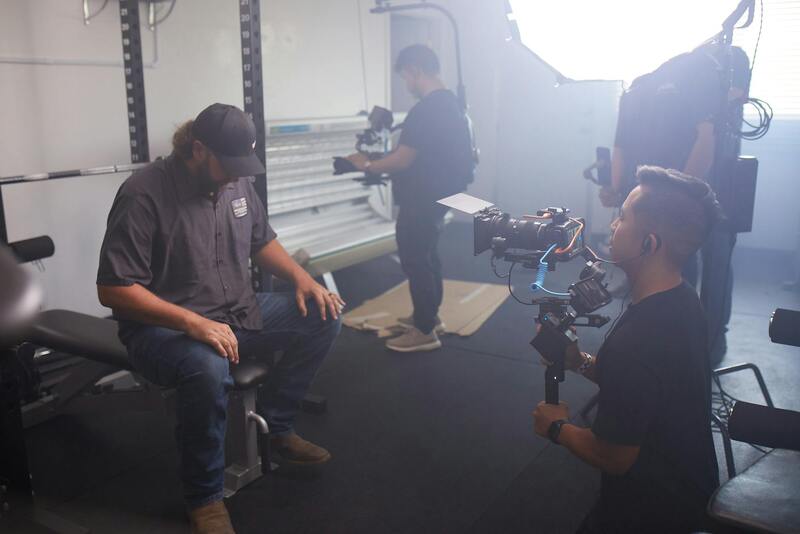
Encoding devices are another crucial component, responsible for converting physical signals into digital streams compatible with various streaming platforms. These encoders ensure a stable, high-quality connection and facilitate adaptive bitrate streaming, which adjusts video quality based on viewers’ internet speeds.
Streaming platforms and content delivery networks (CDNs) act as the digital infrastructure that distributes content globally. Selecting reliable platforms is vital for minimizing latency and buffering, thus providing a smooth viewing experience. For Miami’s bustling event scene, solutions that support high concurrency and latency reduction are especially important.
Furthermore, robust internet connectivity—preferably wired connections with ample bandwidth—is necessary to handle the high data throughput of live streams. Backup internet solutions, such as cellular or satellite connections, offer additional security against unexpected disruptions.
Emerging Technologies and Integration
Technological advancements continue to enhance live stream production capabilities. Integration of wireless transmission systems reduces cabling clutter and enables flexible camera placements, especially in large or unconventional venues. Additionally, new tools like remote production servers and cloud-based switching systems facilitate real-time editing and multi-angle coverage without requiring extensive onsite resources.
Use of multi-camera setups allows production teams to create dynamic streams with varied perspectives, making content more engaging. Incorporating virtual sets, augmented reality overlays, or live graphics further elevates the quality and interactivity of the broadcast.

Overall, the selection and integration of state-of-the-art equipment and technology are essential for delivering high-quality, reliable live video streams in Miami. Proper planning and investment in these components ensure that each event’s broadcast will resonate with audiences, fostering greater engagement and expanding reach effectively.
Advanced Techniques in Live Video Stream Production
Implementing advanced production techniques is vital to achieving a polished and professional live stream that captivates viewers. Modern productions leverage a combination of hardware and software to synchronize multiple camera feeds, integrate real-time graphics, and deliver seamless transitions. The use of multi-camera setups allows for dynamic perspectives, enhancing viewer engagement by offering various angles and close-ups that cater to the nuances of each event.
Many production teams now incorporate virtual set technology, which replaces physical backgrounds with digitally generated environments. This not only reduces venue constraints but also allows for highly customizable and visually appealing backdrops. Augmented reality (AR) overlays further augment viewer experience, enabling real-time animations, branding elements, or interactive data visuals that enrich the broadcast content.
Another critical aspect of live stream production is the integration of real-time editing systems. These tools allow producers to switch between camera angles, insert graphics, and add overlays without interrupting the live broadcast. Cloud-based production platforms are becoming increasingly popular, facilitating remote collaboration among distributed teams and enabling on-the-fly edits that keep the content fresh and engaging.
Furthermore, sound quality plays an essential role in professional streaming. High-fidelity audio equipment, such as wireless microphones, field recorders, and digital mixing consoles, ensure voices and ambient sounds are captured clearly. Combined with sound editing software, these elements significantly enhance overall broadcast professionalism.
Wireless transmission innovations, including low-latency signal links and 4G/5G LTE transmission systems, enable flexible camera placement and rapid deployment in various venue scenarios. This adaptability is especially beneficial for outdoor events or large-scale productions where traditional cabling could be impractical.
To guarantee uninterrupted streaming, integrating backup systems—such as secondary hardware encoders and redundant internet connections—is fundamental. These measures prevent disruptions caused by technical failures, ensuring a reliable broadcast that maintains audience trust and engagement.
Efficiently managing the technical aspects of live video stream production requires comprehensive planning, skilled personnel, and access to state-of-the-art equipment. When these elements are aligned, the results are high-quality streams that meet the expectations of diverse Miami audiences and elevate the reputation of content providers in the competitive digital environment.
Essential Equipment and Technology
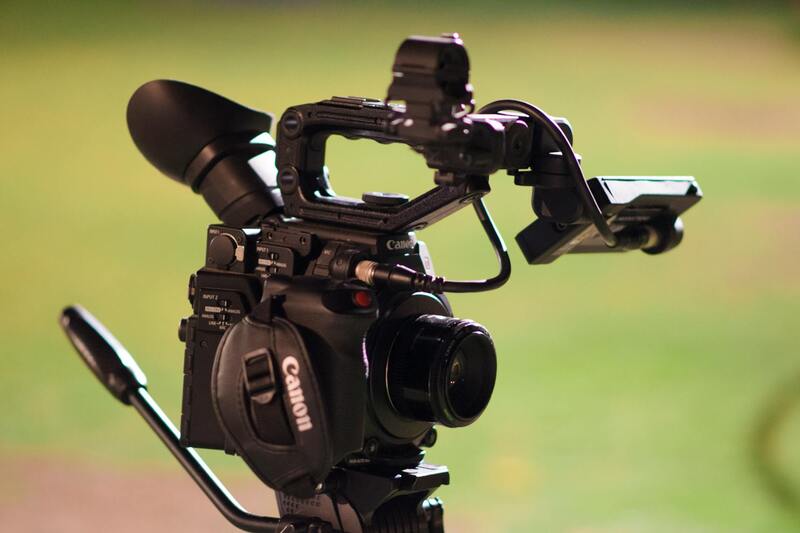
Achieving a seamless and professional live video stream begins with selecting the right equipment and implementing advanced technology. High-definition cameras equipped with pan-tilt-zoom (PTZ) capabilities or multi-camera setups provide flexibility in capturing different angles and maintaining dynamic visual interest. These cameras should support HD or 4K resolution to ensure crisp image quality on all viewer devices, from desktops to mobile screens.
Video switchers or production consoles are critical to managing multiple camera feeds smoothly. They allow operators to transition seamlessly between shots, add overlays, and create picture-in-picture effects in real-time. Integrating these with a reliable control interface simplifies complex productions, making it accessible for skilled operators to enhance the broadcast quality.
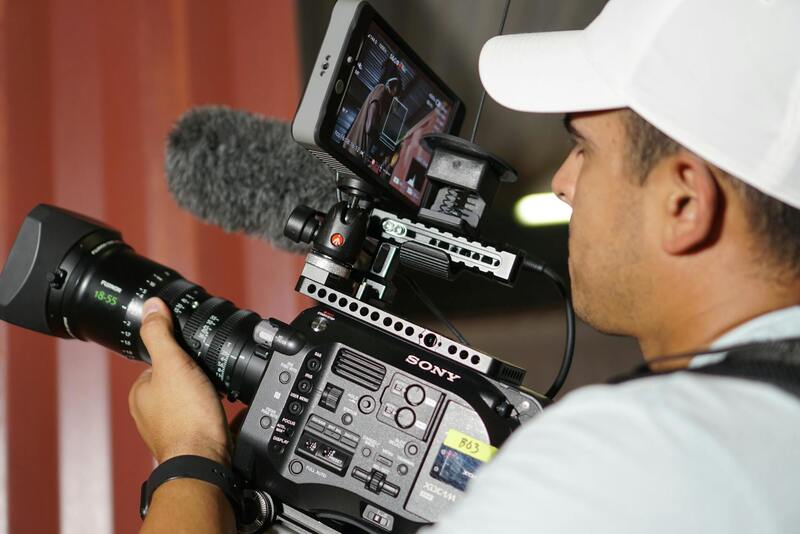
Audio equipment should not be overlooked, as sound quality is equally essential to visual elements. Industry-standard digital audio consoles, wireless microphones, and field recorders capture clear speech and ambient sounds, which are vital for engaging content. Employing audio mixers and sound processing software allows real-time adjustments to ensure clarity and balance, preventing the often-overlooked issue of poor audio ruining an otherwise excellent broadcast.
Moreover, streaming hardware such as encoders convert the raw video feed into formats suitable for online transmission. Hardware encoders, which support multiple bitrates, optimize streaming quality even with fluctuating internet speeds. When combined with robust internet infrastructure featuring high bandwidth and low latency, these tools create a resilient environment capable of handling live production demands.
Internet connectivity is the backbone of live streaming. Multi-source internet solutions, incorporating fiber optic connections, bonded LTE links, or dedicated broadband lines, help maintain a continuous stream without interruption. Redundant internet sources provide failover options, quickly switching in case of any connectivity issues, thereby safeguarding the experience for viewers.

Furthermore, software solutions enable remote control of live streams through cloud-based platforms. These interfaces facilitate switching between feeds, adding graphics or overlays, and managing content from any location with internet access. Such flexibility enhances the coordination among production teams, especially for events requiring on-the-fly adjustments or remote collaboration.
Finally, storage solutions like network-attached storage (NAS) devices or cloud storage allow for efficient archiving of raw footage and recorded segments. This ensures vital content is preserved for post-production editing, promotional use, or quality review, adding an additional layer of professionalism to the overall production process.
Legal and Compliance Considerations
Executing a live video stream production in Miami involves adhering to specific operational standards and protocols that ensure a seamless and professional broadcast. While navigating these aspects, it is imperative to understand the essential requirements surrounding permissions, rights management, and content regulations, which are integral to maintaining a smooth production process.
Obtaining Necessary Permits and Rights
Before broadcasting, securing the appropriate permits from local authorities or event organizers ensures compliance with city regulations and avoids interruptions during live transmissions. This includes permissions for public gatherings, drone use during filming, and the use of copyrighted content. For productions involving music, footage, or other intellectual property, licensing agreements must be in place to utilize such materials legally. This guarantees that all content broadcasted does not infringe upon third-party rights and aligns with established intellectual property laws.
Understanding Content Regulations
Live stream producers must be aware of content restrictions, including restrictions on explicit material, hate speech, or sensitive topics, which are governed by federal and state laws. Establishing proactive guidelines for what can and cannot be broadcast ensures compliance with these standards and avoids potential legal complications. Clear policies on audience interactions and moderation are equally essential to prevent inappropriate comments or content from appearing during the stream, preserving the integrity of the broadcast and safeguarding the reputation of the production.
Data Privacy and Security Measures
Data security is paramount when managing live video streams. Streaming platforms should employ encryption protocols to protect sensitive information, while access controls restrict production team members’ permissions. Implementing secure login credentials and multi-factor authentication reduces the risk of unauthorized access. Additionally, compliance with regional data privacy laws, such as the California Consumer Privacy Act (CCPA) or the General Data Protection Regulation (GDPR), is crucial when collecting viewer data or interacting with audiences online. Transparency about data collection practices and providing options for user consent reinforce trustworthiness and professionalism in live stream operations.
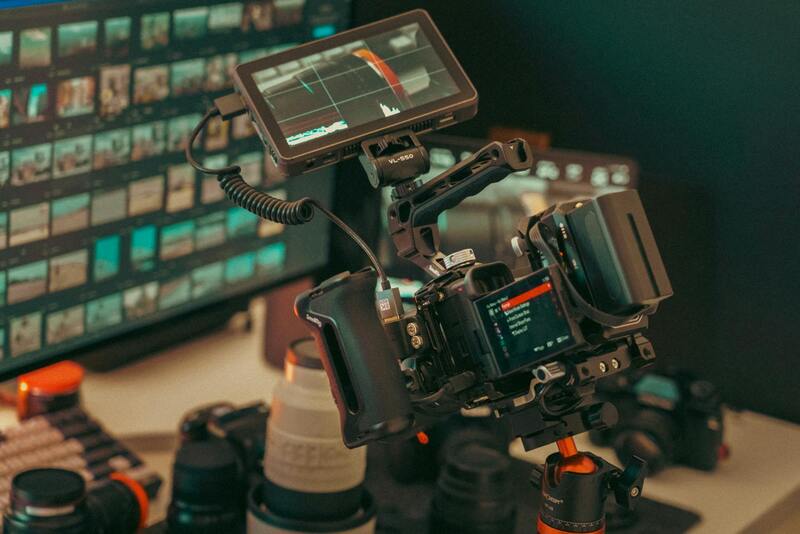
Proactive planning around these legal and compliance considerations minimizes production risks and ensures a smooth, professional broadcast experience. Engaging with legal experts or experienced production consultants familiar with Miami’s regulatory environment can further clarify obligations and streamline the process of integrating these practices into the live stream workflow.
Managing Technical Challenges in Live Video Stream Production
Executing a seamless live video stream relies heavily on anticipating and effectively managing a range of technical challenges that can arise during a broadcast. These challenges may include unstable internet connections, hardware malfunctions, audio-visual synchronization issues, or unexpected software glitches. A robust contingency plan is essential to minimize disruption and preserve broadcast quality.
Anticipating and Preparing for Common Technical Obstacles
- Internet Connectivity: A reliable, high-bandwidth internet connection is paramount for uninterrupted streaming. Employing wired Ethernet connections over Wi-Fi reduces the risk of signal drops. Furthermore, having a backup internet source, such as a mobile data hotspot, can prevent stream interruption if primary connectivity fails.
- Hardware Reliability: Regular maintenance and testing of all AV equipment, including cameras, microphones, switches, and streaming encoders, are crucial. Keeping spare equipment on-site, like extra batteries, cables, and backup cameras, ensures quick replacements if needed.
- Audio-Visual Sync: Precise synchronization between audio and video streams enhances viewer experience. Utilizing professional editing software and real-time monitoring tools helps detect and correct lag issues promptly.
- Software Stability: Software updates and comprehensive pre-live testing minimize technical glitches. Deployment of reliable streaming platforms with built-in redundancies reduces the chances of failure during live broadcasts.
Implementing Real-Time Monitoring and Support Systems
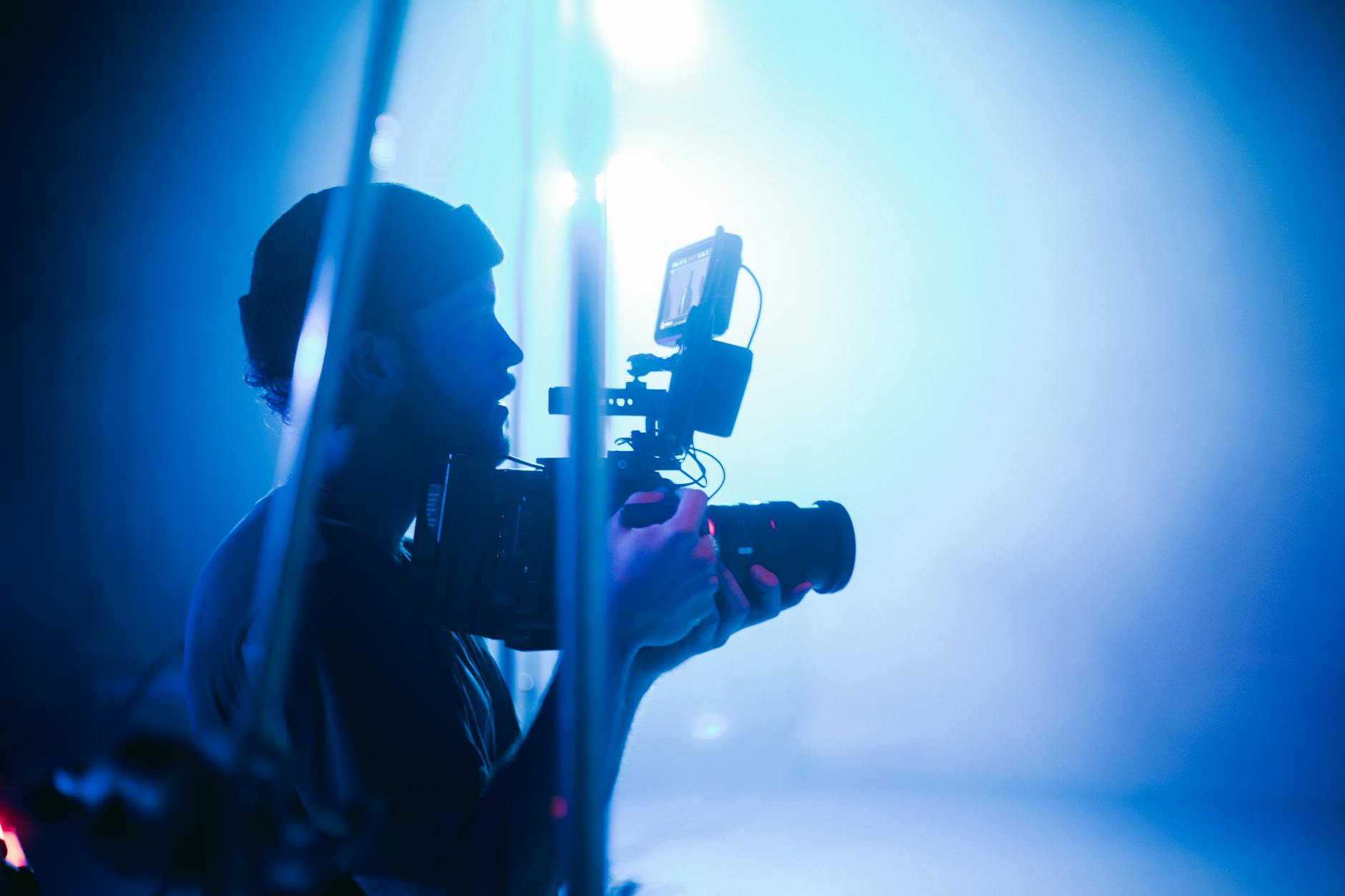
Effective live stream production demands continuous monitoring through multiple channels. Dedicated technical support teams can oversee the broadcast, promptly addressing issues as they occur. Real-time dashboards displaying metrics such as bandwidth usage, stream health, and audience engagement provide immediate insights, enabling swift intervention when necessary.
Moreover, integrating chat support and dedicated communication lines allows team members to coordinate efficiently during the broadcast. This setup facilitates quick problem resolution, helping to avoid significant disruptions and maintain viewer satisfaction.
Training and Preparedness for Live Events
Thorough training of the production team ensures everyone understands emergency procedures and technical protocols. Drills conducted prior to the event help familiarize staff with troubleshooting steps, reducing response time to unforeseen issues. Emphasizing clear communication and role delineation during live production further enhances operational efficiency and resilience against technical problems.
Legal and Compliance Considerations in Live Video Stream Production
Conducting live video streams involves adhering to numerous official standards and regulatory frameworks designed to ensure quality, safety, and fairness. It is essential to understand and implement official methods to comply with these standards, which encompass a broad range of practices within the industry. This thorough approach helps maintain professionalism and safeguards the interests of content creators, broadcasters, and audiences alike.
Adherence to Content Rights and Licensing
One of the core official methods in live video stream production is securing the rights for all content included in the broadcast. This includes music, logos, footage, and any third-party intellectual property. Proper licensing agreements or permissions must be obtained to avoid copyright infringements that could lead to legal action, penalties, or broadcast interruptions. Working with authorized licensing bodies or industry-standard copyright clearance services ensures compliance and a seamless streaming experience.
Implementation of Official Streaming Protocols
Utilizing established streaming protocols, such as Real-Time Messaging Protocol (RTMP), Secure Reliable Transport (SRT), or Hypertext Transfer Protocol Live Streaming (HLS), guarantees optimized delivery of high-quality video content. These protocols are officially recognized and widely accepted across streaming platforms, providing reliability, security, and compatibility. Employing these standards minimizes risks related to data breaches or service interruptions, maintaining professionalism in broadcast quality.
Data Privacy and Security Standards
Official live stream production mandates strict adherence to data privacy policies and security practices. Streaming systems should incorporate robust encryption methods to safeguard audience data and prevent unauthorized access. Platforms compliant with recognized standards such as GDPR or CCPA assure viewers and clients that their information is protected in accordance with legal requirements.
Monitoring and Documentation
Maintaining detailed logs of broadcast operations, technical checks, and compliance measures is crucial. Official documentation supports accountability and provides evidence of adherence to regulatory standards. These records are essential if any dispute arises or for auditing purposes, underscoring the importance of comprehensive record-keeping throughout the production process.
Supporting Infrastructure and Backup Systems
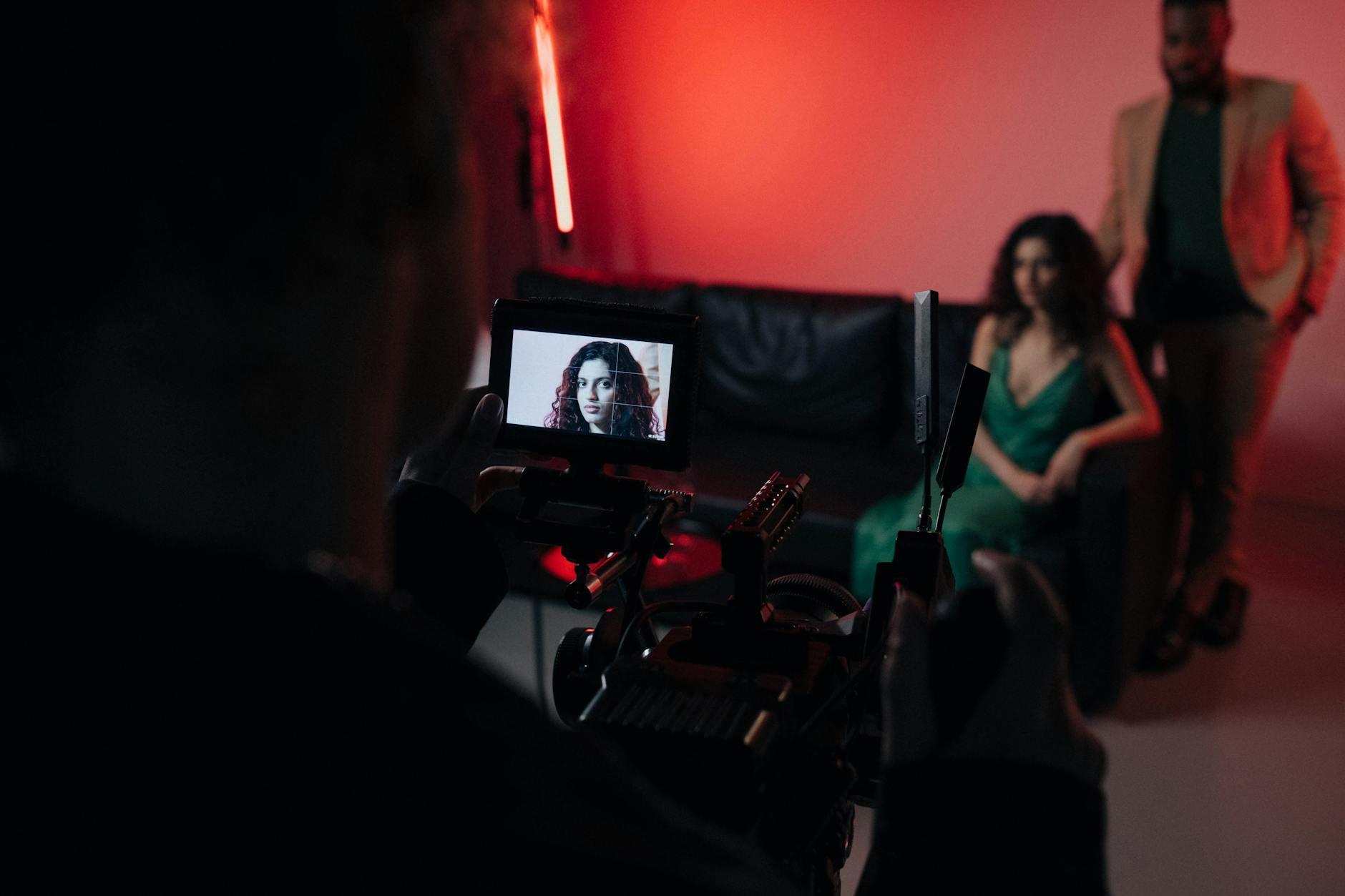
Deploying reliable infrastructure that conforms to industry standards is an integral part of official live video stream production. This involves setting up redundant servers, backup internet connections, and failover mechanisms that activate automatically if primary systems encounter issues. Such measures are vital in maintaining continuous broadcast quality, preventing disruptions during live events, and upholding a professional standard of delivery.
Training and Certification of Production Personnel
All personnel involved in live stream production should receive official training and certifications relevant to their roles. Certification programs offered by recognized industry bodies validate the skills of technicians, directors, and support staff. Well-trained personnel are better equipped to follow established procedures, troubleshoot issues efficiently, and ensure compliance with all operational standards.
Engaging with Certified Vendors and Service Providers
Securing services from certified vendors and technology partners guarantees adherence to official standards and ensures quality and security in all aspects of the production. Selecting providers with proven track records and industry certifications enhances reliability, streamlines operations, and upholds the integrity of the broadcast.
Optimizing Delivery and Distribution of Your Live Video Stream
Once your live video stream has been produced and is ready for broadcast, effective delivery and distribution become critical components in reaching your audience reliably and maintaining a high standard of quality. Proper management of streaming platforms, content delivery networks (CDNs), and distribution channels ensures your live content is accessible, stable, and delivers an optimal viewing experience.
Utilizing Content Delivery Networks (CDNs)
CDNs play a crucial role in distributing live streams across vast geographic regions. They work by duplicating your live video feed across multiple servers worldwide, reducing latency and minimizing buffering for viewers regardless of their location. Partnering with reputable CDN providers ensures your live stream can handle high traffic volumes without degradation in quality. Key considerations include bandwidth capacity, server distribution, and integration capabilities with your streaming platform.
Choosing Reliable Streaming Protocols and Formats
Employing official streaming protocols such as HLS (HTTP Live Streaming), DASH (Dynamic Adaptive Streaming over HTTP), or RTMP (Real-Time Messaging Protocol) ensures compatibility and stability during transmission. These protocols adapt to varying network conditions, dynamically adjusting stream quality to prevent interruptions. Using standardized formats enhances cross-platform compatibility, which is essential for reaching audiences across different devices and operating systems.
Implementing Secure Access and DRM
Securing your live stream against unauthorized access is fundamental in official production environments. Authentication mechanisms, including token-based access or single sign-on solutions, restrict viewership to authorized users. Additionally, Digital Rights Management (DRM) technologies can protect premium content from piracy, ensuring your streams comply with licensing agreements and revenue models. These security measures help maintain content integrity and uphold licensing standards rigorously.
Monitoring and Real-Time Analytics
Real-time monitoring tools enable immediate insights into stream health, viewer engagement, and technical performance. Metrics such as buffering rates, frame drops, and latency guide on-the-fly adjustments, ensuring a seamless experience. Analytics also provide post-broadcast data that can inform future production enhancements and audience engagement strategies, ultimately refining the quality and reach of your live streams.
Hardware and Software Maintenance for Consistent Performance
Maintaining a dedicated infrastructure with regularly updated hardware and software is essential for official live production workflows. This ensures compatibility with evolving streaming standards and prevents disruptions caused by outdated technology. Routine maintenance, including firmware updates, security patches, and performance audits, supports a stable and secure streaming environment.
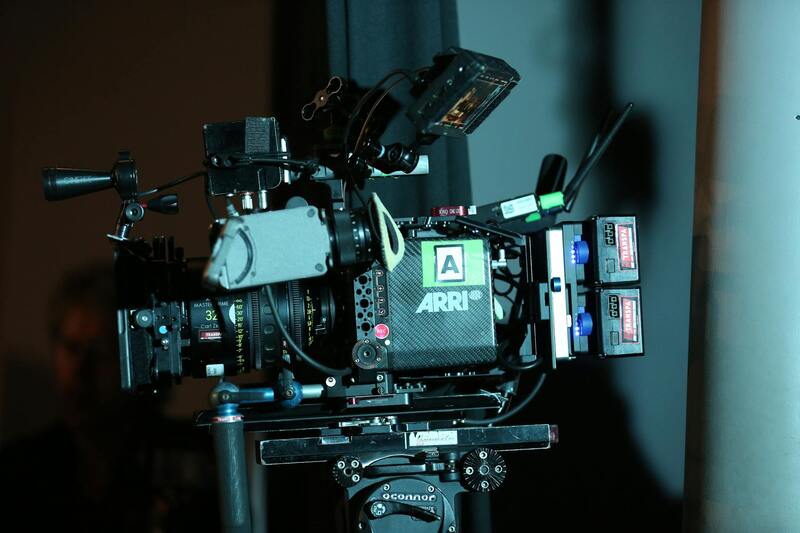
Implementing these official methods in delivery and distribution not only enhances viewer experience but also preserves the reputation of your event and organization. Combining robust technology, strategic distribution, and security measures creates a resilient framework capable of handling diverse live streaming demands, all while maintaining professional standards that reflect the quality of your event content.