
Understanding Corporate Live Streaming
Corporate live streaming has transformed how businesses communicate, promote, and engage with their audiences in real-time. This method involves transmitting live video content via the internet to a targeted group of viewers, whether they are internal teams or external clients and stakeholders. As a versatile tool, corporate live streaming supports a variety of purposes, including webinars that provide educational value, product launches that generate excitement and visibility, and company events such as annual meetings or press conferences. In Miami, a vibrant hub for commerce and innovation, organizations increasingly leverage live streaming to reach broader audiences without geographical limitations.
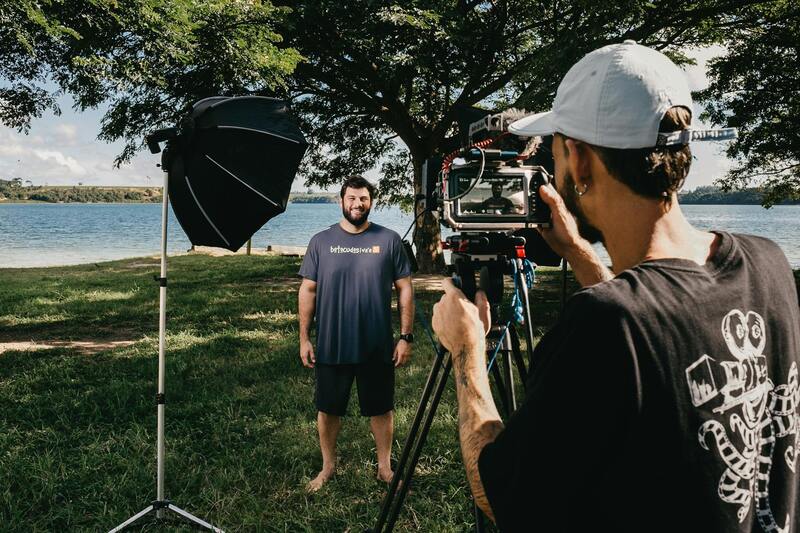
Employing live streaming solutions allows Miami-based companies to deliver professional content seamlessly while maintaining vital interaction with viewers. This approach not only enhances brand visibility but also fosters trust and transparency. As digital transformation accelerates, companies in Miami recognize live streaming as an essential medium to deliver key messages efficiently and cost-effectively. Whether used for training sessions, investor updates, or promotional events, corporate live streaming creates an immersive experience that transcends traditional communication channels.
Organizations increasingly adopt this technology to accommodate remote participants, provide real-time updates, and measure engagement levels effectively. The strategic expansion into live digital content strengthens a company's presence in competitive markets, positioning Miami firms at the forefront of innovative communication practices. As live streaming continues to evolve, the demand for high-quality, reliable broadcasts experienced by viewers remains paramount, emphasizing the importance of professional execution and robust technical support.
Understanding Corporate Live Streaming
Corporate live streaming has become a pivotal tool for businesses seeking to communicate more effectively in Miami’s vibrant and diverse economic environment. Unlike traditional static content, live streams offer real-time interaction, enabling companies to deliver their messages directly to their target audiences without delay. This technology facilitates a dynamic dialogue that can enhance trust, foster transparency, and build stronger relationships with clients, partners, and investors.
Implementing a structured approach to corporate live streaming involves meticulous planning, high-quality audiovisual setup, and strategic content delivery. For Miami-based organizations, leveraging local expertise ensures that the stream is tailored to regional preferences and complies with local industry standards. With the variety of platforms available, companies can select those that best match their objectives—whether for internal training, product launches, or corporate announcements—ensuring a seamless and professional presentation throughout the event.
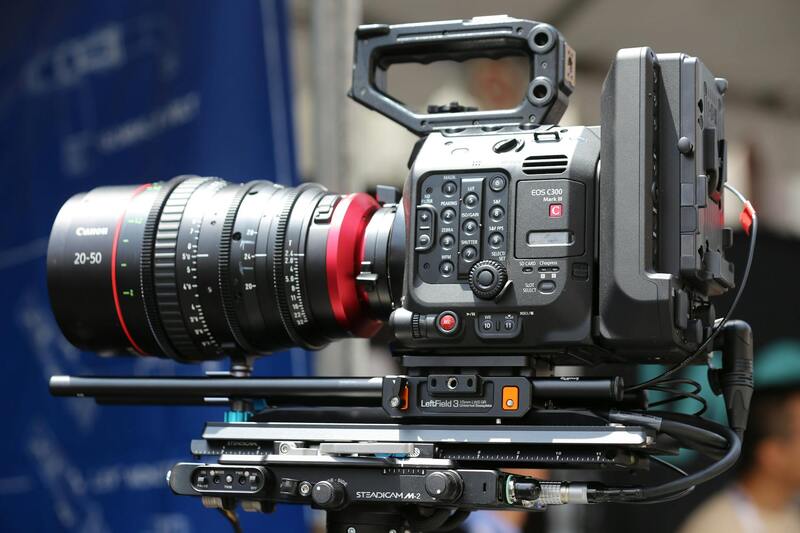
The essence of a successful corporate live stream lies in aligning technological capabilities with organizational goals. This includes selecting appropriate streaming software, high-definition cameras, and reliable internet connectivity. Providing engaging content, interactive elements, and ensuring technical stability are critical to maintaining viewer interest and achieving communication objectives.
Importance of Professional Execution and Technical Support
Miami’s competitive business climate demands that live streams uphold high standards in production quality. Technical hiccups or poor audio-visual quality can undermine credibility and diminish viewer engagement. To mitigate such risks, companies often partner with experienced production teams capable of managing everything from camera operation to live switching, sound management, and real-time graphics. Continuous technical support during the event ensures that issues are swiftly addressed, minimizing disruptions and maintaining a smooth broadcast experience.
Coordination and Content Management
Beyond the technical aspects, effective coordination is essential. This involves synchronizing all elements—presenters, visuals, on-screen information, and audience interaction. Prior rehearsals, clear communication channels, and established contingency plans contribute to a polished presentation. Content that resonates with the Miami audience, integrating local industry insights and culturally relevant themes, enhances relatability and engagement.
Legal and Compliance Considerations
When planning a corporate live stream, ensuring compliance with regional broadcast regulations and intellectual property rights is vital. Businesses must verify they have appropriate permissions for all visual and audio content. Additionally, adherence to privacy policies, especially regarding viewer data collection and interaction, is essential for preserving trust and avoiding potential complications.
Legal and Compliance Considerations
Ensuring that your corporate live stream adheres to regional broadcast standards and intellectual property rights is a crucial step in the planning process. Businesses should thoroughly review all visual, audio, and graphical content to confirm they possess the necessary permissions and licenses for dissemination. This verification helps prevent unauthorized use of copyrighted materials, which could lead to disruptions or content removal during the live event.
Moreover, attention to privacy policies is essential, particularly when collecting viewer data or facilitating interactive features. Clear communication regarding data collection practices, in accordance with local regulations, fosters viewer trust and supports a seamless streaming experience.
It’s equally important to establish protocols for managing unforeseen circumstances such as technical failures, network interruptions, or content discrepancies. Having designated personnel to handle these situations swiftly preserves the professionalism of the broadcast and minimizes viewer disruptions. Regular audits of content rights and compliance measures should be integrated into the pre-event checklist to ensure all aspects of the stream meet necessary standards.
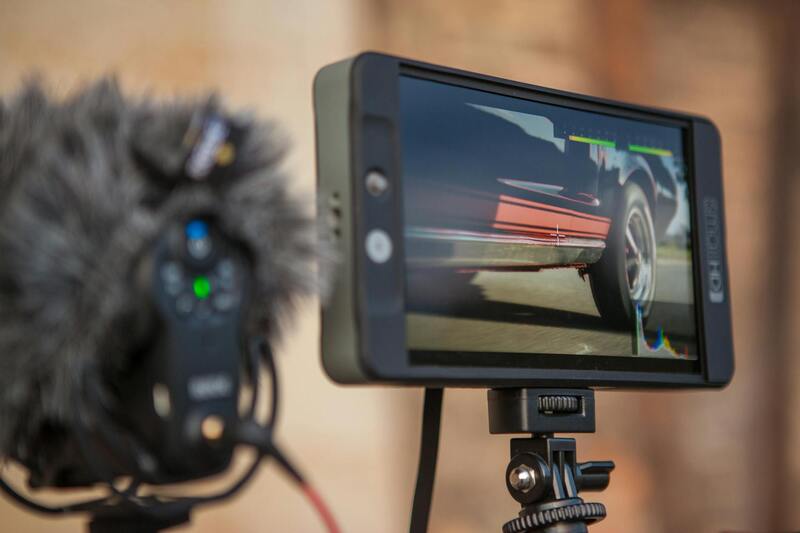
By meticulously addressing these legal and compliance considerations, Miami businesses can confidently deliver engaging, trustworthy live streams that resonate with local audiences and uphold their brand reputation.
Legal and Official Methods for Conducting Corporate Live Streams
For Miami-based businesses aiming to reach their audience through corporate live streaming, selecting official and verified methods of broadcasting is essential. Using reliable platforms and compliant equipment ensures that the live event is seamless, secure, and professional. Established streaming platforms such as YouTube Live, Vimeo Livestream, and Facebook Live offer features specifically designed for corporate use, including robust security measures, high-quality streaming, and analytics tools to monitor viewer engagement.
It is also important to collaborate with experienced content delivery network (CDN) providers. CDNs help distribute the live stream efficiently across various regions, minimizing latency and buffering issues. When choosing such providers, confirming their adherence to industry standards and their ability to handle high traffic volumes ensures uninterrupted broadcast quality.
Secure encoding and streaming equipment from reputable manufacturers should be utilized to encrypt the data during transmission. This encryption not only enhances security but also maintains the integrity of the content. Use of professional-grade cameras, microphones, and streaming software ensures high-definition video quality and clear audio, which are vital for engaging corporate presentations.
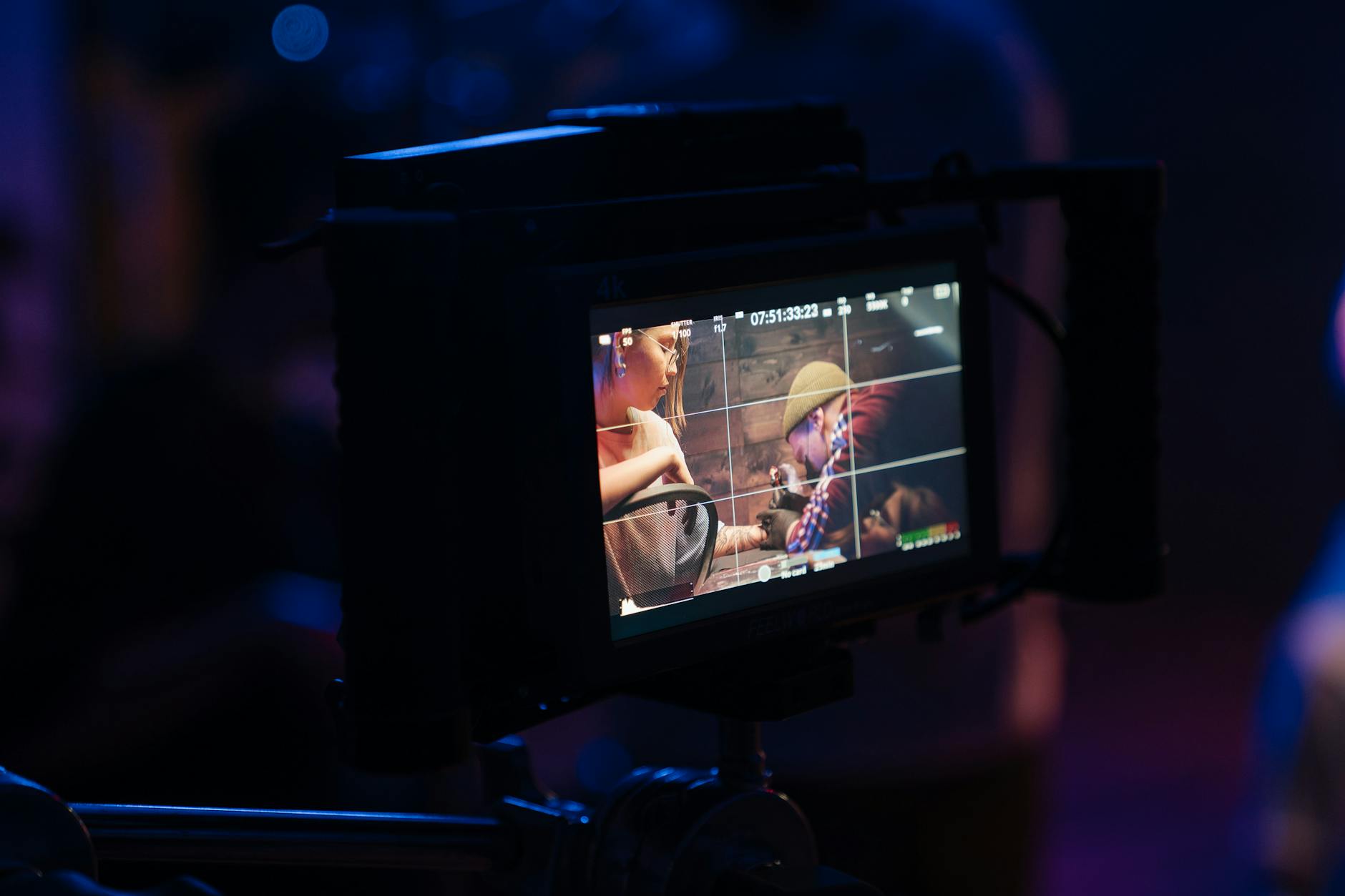
Adhering strictly to the official procedures for content rights and licenses is vital. This includes verifying permissions for any third-party materials used in the broadcast, such as music, videos, or images. Maintaining proper documentation of licenses and rights not only prevents content disputes but also reinforces the credibility of the event.
Additionally, securing the live stream with authentication methods such as login requirements or token-based access controls restricts viewership to authorized personnel only. This practice is especially crucial when sensitive corporate information is involved or when the stream is intended for a select group of stakeholders.
Implementing Official Broadcast Protocols
To ensure a smooth and compliant live streaming experience, organizations should develop comprehensive policies and checklists. These protocols should cover content approval processes, technical setup procedures, and viewer management strategies. Regular training sessions for the technical team familiarize staff with best practices and emergency procedures, such as handling technical failures or unintended disruptions.
Furthermore, conducting test runs prior to the actual event helps identify and resolve potential issues early. These rehearsals should include all involved personnel—technical staff, presenters, and coordinators—so they can synchronize efforts during the live event.
Finally, maintaining detailed records of all communications, permissions, and technical configurations creates a transparent audit trail that supports accountability and continuous improvement. This diligent approach ensures that Miami businesses can execute corporate live streams that are both effective and in compliance with best practices.
Technical Considerations and Equipment Setup
An essential aspect of delivering a seamless corporate live stream involves meticulous attention to technical setup. This begins with selecting high-quality cameras capable of capturing clear, professional footage suited for large audiences. Multiple camera angles—such as wide shots, close-ups, and over-the-shoulder views—enhance viewer engagement and provide a dynamic viewing experience. Ensuring proper camera positioning and stabilization helps maintain smooth visuals, minimizing disruptions caused by shaky footage.
Audio quality is just as critical as video. Using professional-grade microphones—such as lapel or boundary microphones—can significantly improve sound clarity. Integrating audio mixers allows for real-time adjustments, balancing of sources, and reduction of background noise. In addition, employing noise reduction technologies and echo-canceling devices ensures crisp sound delivery, which is vital for maintaining credibility during corporate presentations or discussions.
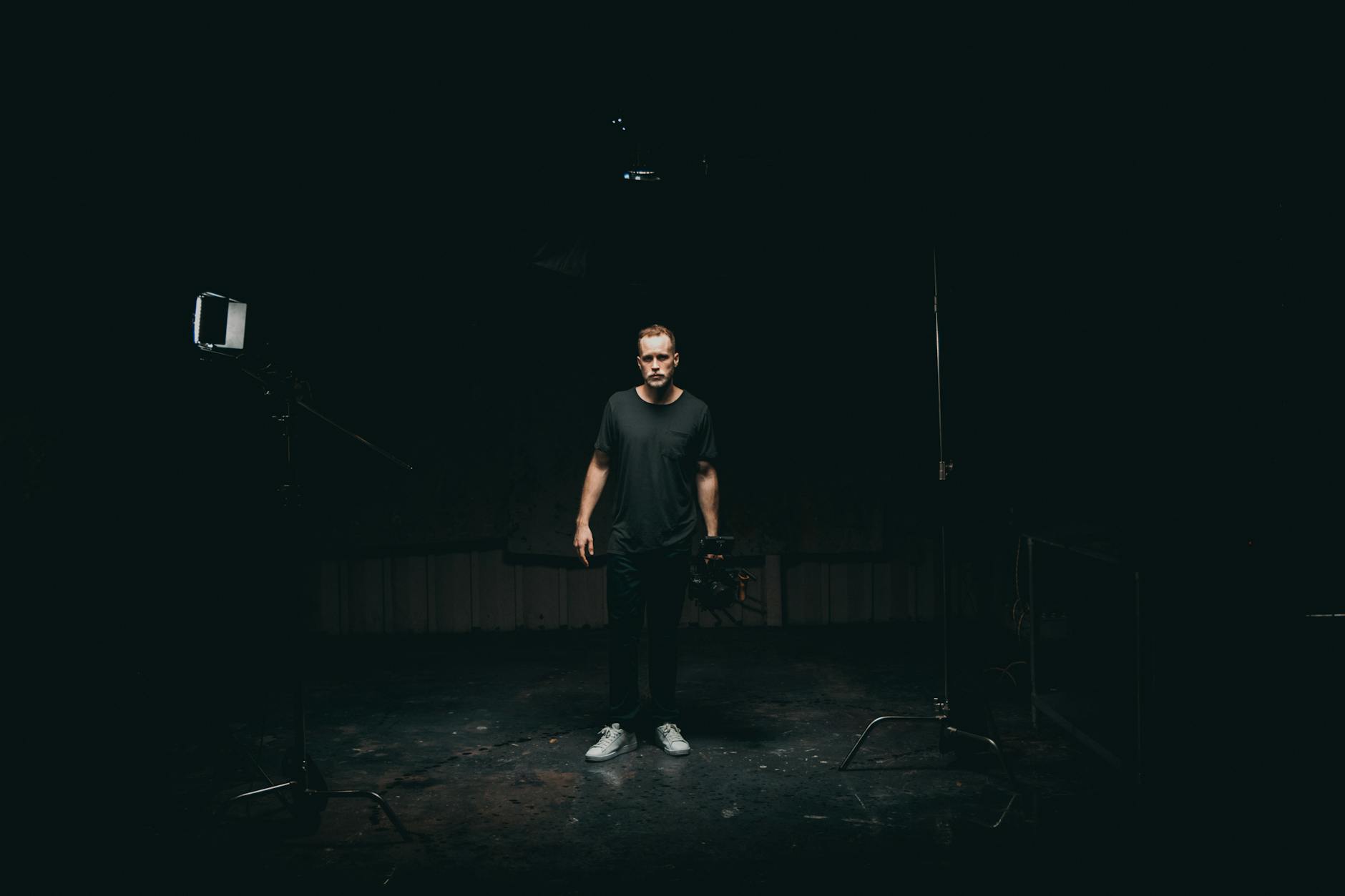
Lighting arrangements should be designed to illuminate presenters and set pieces effectively. Proper lighting eliminates shadows, reduces glare, and highlights key visuals. Soft, diffused lighting is preferable to create a professional appearance without harsh shadows or uneven brightness. When shooting in varied locations or during different times of day, portable lighting kits provide the flexibility needed for consistent visual quality.
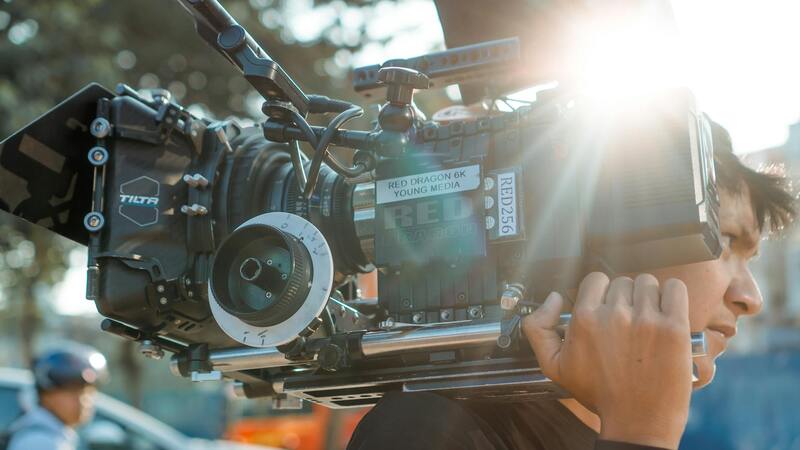
Backup systems are indispensable to avoid disruptions during an event. Redundant internet connections, such as wired and wireless options, ensure continuous streaming even if one network fails. Backup hardware—including extra cameras, microphones, and power supplies—serves as contingency in case of technical malfunctions. Additionally, having a dedicated technical operator monitor and troubleshoot the equipment in real-time ensures rapid response to issues, maintaining the stream’s stability and professionalism.
Overall, comprehensive planning and deployment of reliable, high-grade equipment create the foundation for a polished and engaging corporate live stream. This not only enhances the overall experience but also upholds the organization's standards and reputation within Miami’s competitive business environment.
Technical Considerations and Equipment Setup
Implementing a seamless corporate live stream in Miami necessitates meticulous attention to technical details. Prior to the event, a comprehensive assessment of the venue's infrastructure should be conducted. This includes evaluating existing internet bandwidth, electrical outlets, lighting conditions, and acoustics to ensure they align with the technical requirements of high-quality broadcasting. Ensuring robust internet connectivity is pivotal; dual or backup connections should be established, such as both wired Ethernet and reliable Wi-Fi networks, to mitigate the risk of interruptions during the live event.
Choosing the appropriate encoding hardware and software is essential for transcoding the live feed efficiently. Devices like professional-grade video encoders help optimize stream quality and compatibility across various platforms. High-resolution cameras, equipped with zoom and autofocus capabilities, enable presenters and visuals to be captured with clarity. Multiple camera angles add dynamism to the broadcast, engaging viewers and reinforcing key messages.
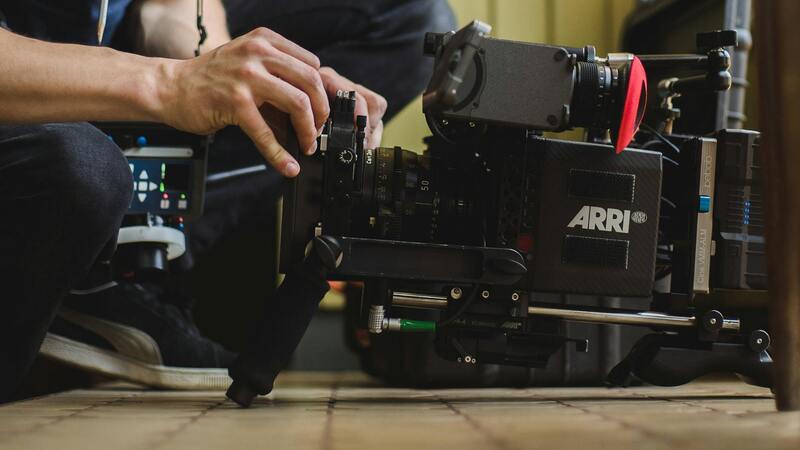
Audio quality must be prioritized by deploying professional microphones, such as lavalier or shotgun variants, coupled with sound mixers to balance audio levels accurately. Echo-canceling and noise-reduction devices suppress ambient disturbances, ensuring crisp and clear sound. Proper lighting is another critical component. Soft, diffused lighting arrangements should illuminate presenters evenly while avoiding glare and shadows that detract from visual professionalism. Portable lighting kits are advantageous for varied locations or times of day, maintaining consistent visual quality throughout the broadcast.
In addition to primary streaming equipment, preparation of backup hardware is indispensable. Spare cameras, microphones, and power supplies should be readily available to counteract potential malfunctions. Surge protectors and uninterrupted power supplies (UPS) safeguard against blackout risks, preserving the event's continuity. Assigning a dedicated technical team responsible for monitoring these systems in real-time allows prompt troubleshooting, reducing the likelihood of delays or quality degradation.
The deployment of reliable, high-grade equipment combined with strategic planning and redundancy measures ensures a polished and professional corporate live stream. This technical rigor not only enhances the audience experience but also reflects positively on the organization’s brand within Miami’s competitive industry landscape. Every detail, from camera angles to audio clarity, plays a crucial role in delivering a seamless broadcast that maintains stakeholder trust and engagement.
Technical Considerations and Equipment Setup
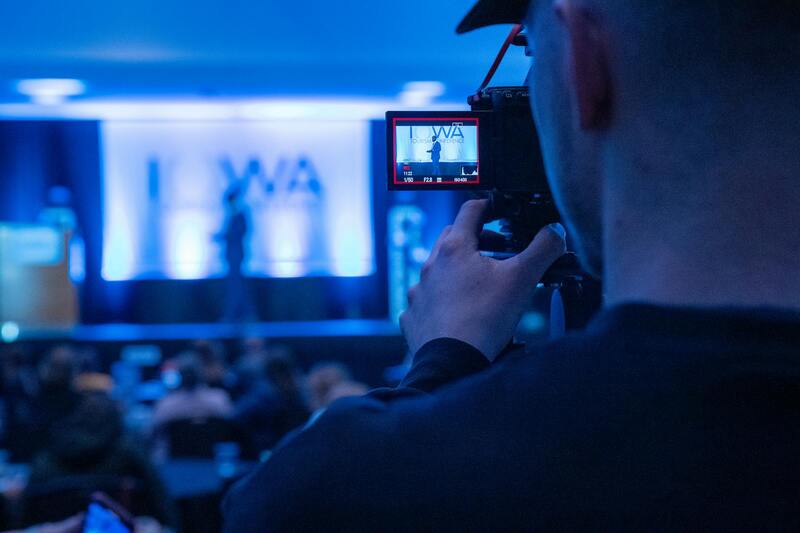
For a successful corporate live stream, meticulous attention to technical details and equipment setup is essential. This process begins with selecting high-quality hardware designed to deliver stable and clear audio and video signals. Professional-grade cameras with HD or 4K capabilities ensure sharp visuals, while switchers allow for seamless transitions between camera angles, enhancing the broadcast’s visual engagement. Microphones, whether lavalier, handheld, or shotgun, must be chosen based on the environment and type of presentation to capture crisp audio without interference.
Once the primary equipment is in place, the integration of a reliable streaming platform that supports the event's scale and technical requirements is critical. Industry-standard encoders, either hardware-based or software solutions, convert audio-visual signals into a stream compatible with internet delivery. These encoders should be configured for optimal bandwidth usage and minimal latency, delivering the highest possible quality to viewers.
Lighting plays a significant role in visual clarity. Soft, balanced lighting ensures that presenters are well-illuminated and shadows are minimized. Proper placement and color temperature adjustments prevent glare and uneven lighting that can distract viewers. Portable lighting kits are often employed to adapt to various venue conditions and maintain consistent visual standards.
Post-Stream Activities and Analytics
After completing a corporate live stream, it is essential to conduct a thorough review of the event's performance through detailed analytics and feedback collection. This phase not only helps gauge the success of the broadcast but also provides actionable insights to refine future streaming strategies. Analyzing key metrics such as viewer engagement, total viewership, streaming quality, and viewer retention rates enables organizations to understand audience behavior and preferences better.
Utilizing advanced analytics tools or platform-specific reports can offer comprehensive data on various aspects of the stream. These tools can track viewer demographics, geographic locations, and device usage, which informs targeted marketing efforts and content customization in subsequent events. Monitoring real-time comments, questions, and interactions during the stream also provides qualitative insights into audience engagement levels.

Based on the gathered data, organizations can identify strengths and areas requiring enhancement. For instance, if viewer dropout rates are high at specific intervals, it might indicate the need for more engaging content, better pacing, or technical adjustments such as audio-visual quality improvements. Communicating the results with internal teams ensures everyone understands the outcomes and can collaborate on implementing necessary changes.
Another vital aspect post-stream is collecting feedback from participants and stakeholders. Surveys and direct outreach help assess audience satisfaction, content relevance, and technical experience. This feedback feeds into a cycle of continuous improvement, ensuring future live streams are more effective and aligned with organizational goals.
Archiving the stream’s recordings is equally important. High-quality recordings serve multiple purposes, including future promotional content, training materials, or on-demand viewing options for audiences who missed the live event. Properly managing these assets ensures they are easily accessible and protected against data loss.
Incorporating these post-event measures, from analytics to feedback collection and content management, guarantees that each live stream contributes to an overall understanding of what resonates with audiences and what needs adjustment. This strategic approach underscores a commitment to quality, professionalism, and ongoing progress in Miami’s competitive business landscape.