
Overview of Livestream Video Production
Livestream video production has become an essential component of modern event broadcasting, corporate communication, and online engagement strategies. It involves the real-time capture, encoding, and transmission of video content to a remote audience via digital platforms. This process allows viewers to experience live events from anywhere, fostering immediate interaction and expanding reach beyond physical boundaries.
In Miami, a vibrant hub of corporate and entertainment events, livestream video production plays a crucial role in bridging physical and virtual participation. Whether it’s a large-scale conference, a concert, a product launch, or a community gathering, live streaming offers an accessible avenue for engagement with diverse audiences.
The growing demand for high-quality live broadcasts underscores the importance of utilizing professional techniques and equipment to ensure seamless delivery. Quality livestreams can significantly enhance brand visibility, increase attendee participation, and facilitate dynamic online interactions. Furthermore, the ability to archive and republish content provides ongoing value, making livestreams a versatile component of digital content strategies.
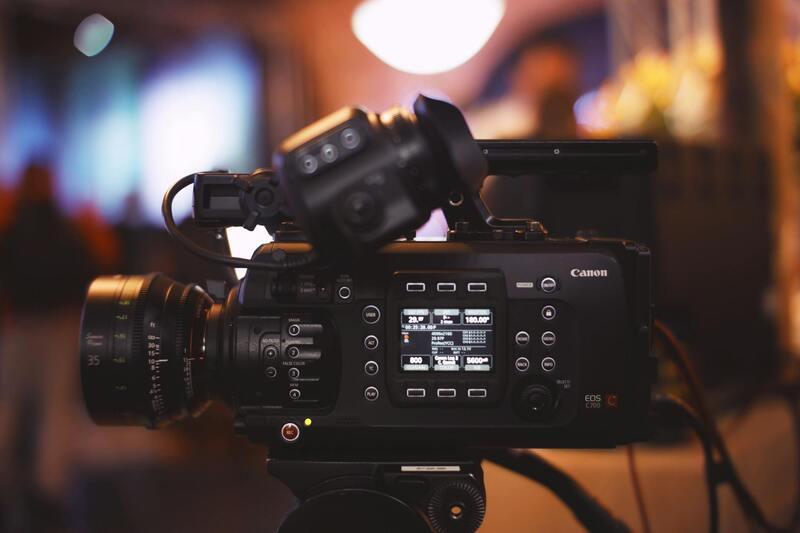
As technology advances, livestream video production in Miami continues to evolve, integrating innovative broadcasting tools and innovative interactive features. This progression ensures that live streams are not only informative but also immersive, engaging, and technically reliable, which is vital in maintaining viewer interest and achieving broadcasting goals.
Key Components of Livestream Video Production
Successful livestream video production relies on several essential elements, each playing a pivotal role in delivering a professional quality broadcast. These components include strategic planning, robust technical setup, skilled on-site execution, and comprehensive post-production management.
Key Components of Livestream Video Production
Effectively delivering a professional livestream requires meticulous attention to various technical and creative aspects. Each component must be carefully coordinated to ensure a seamless and engaging broadcast. From image and sound quality to interactive capabilities, these elements collectively determine the overall success of the live stream.
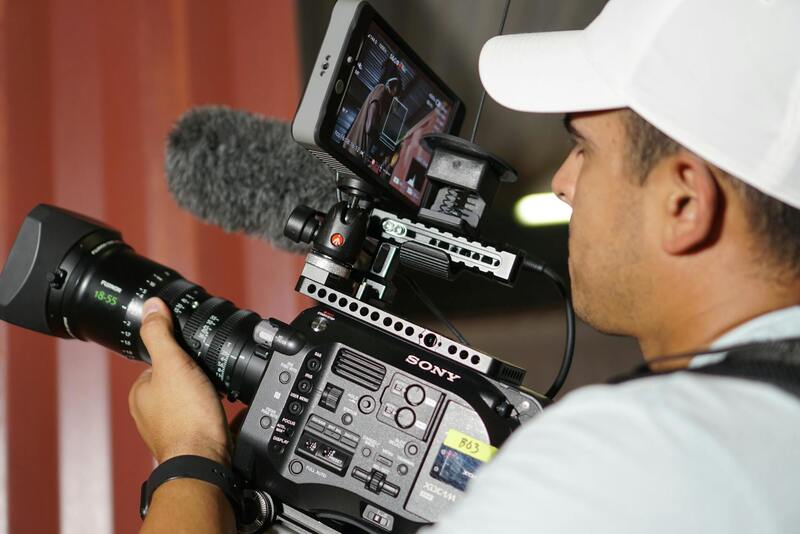
Camera Setup and Video Capture
Choosing the right cameras and configuring them appropriately forms the foundation of any livestream. Professional-grade cameras provide high-resolution images and advanced control over focus, exposure, and color accuracy. Multiple camera angles can be integrated to create a dynamic viewing experience, allowing viewers to see different perspectives of the event. Proper positioning and stabilization also prevent shaky footage and maintain visual clarity throughout the broadcast.
Switching Equipment and Video Mixing
Video switchers enable real-time transitions between camera feeds, graphics, and pre-recorded content. Operators can create a smooth flow that enhances storytelling, emphasizes key moments, and keeps the audience engaged. Reliable switching hardware is crucial for maintaining professional quality, especially during complex live events with multiple sources. Modern switchers often support live effects, overlays, and picture-in-picture features to add production value.
Audio Production and Sound Mixing
Clear and balanced audio is essential for viewer engagement. Professional audio equipment includes dedicated microphones, audio mixers, and sound processors that capture and refine sound quality. Multiple audio channels can be managed to include commentary, ambient sounds, and music. Proper sound engineering ensures that audio levels are consistent and free of distortion, thereby creating a more immersive experience for viewers.
Lighting and Set Design
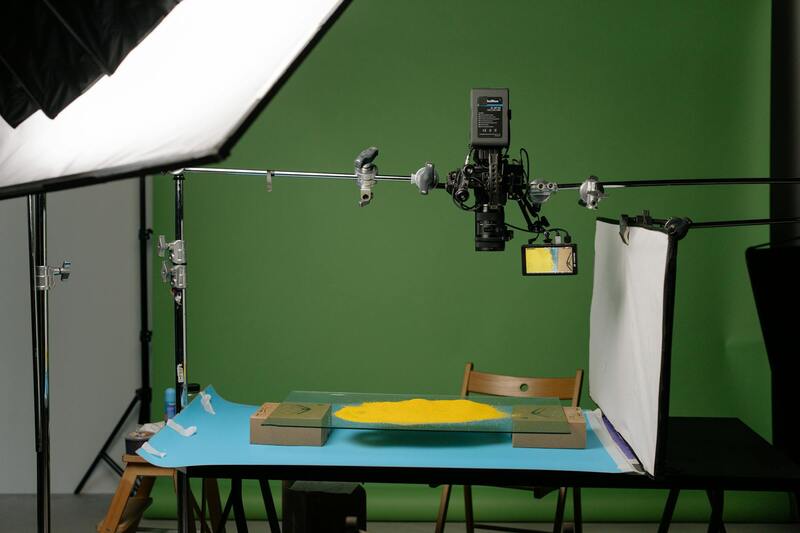
Proper lighting enhances visual clarity and sets the tone of the livestream. LED panels, spotlights, and diffusers are used to illuminate the stage or event area evenly, reducing shadows and highlighting key elements. Thoughtful set design, including backgrounds and branding elements, contributes to a professional appearance and reinforces brand identity during the broadcast.
Live Streaming Platforms and Connectivity
Choosing the appropriate platform for live streaming impacts reach and accessibility. Reliable platforms support high bandwidths, low latency, and scalability to accommodate large audiences. An optimized internet connection—often via dedicated fiber lines and backup systems—is critical to prevent buffering and ensure continuous transmission. Technical redundancy measures safeguard against connectivity issues that could disrupt the broadcast.
Integration of Interactive Features
Engaging viewers through chat, polls, and Q&A sessions enhances interaction and retention. Incorporating social media feeds and real-time comments can create a sense of community and immediacy. These features require compatibility with the streaming platform and skilled moderation to maintain a professional tone throughout the event.
Summary
Each element in the livestream video production process is interconnected, requiring precise coordination. Skilled technicians, state-of-the-art equipment, and strategic planning converge to produce broadcasts that are not only visually compelling but also technically sound. Maximizing the potential of these components elevates the overall quality and impact of live streams delivered from Miami’s vibrant event scene.
Technical Setup and Equipment
Executing a seamless livestream requires meticulous technical setup and high-quality equipment. This involves selecting the right cameras, which should support high-definition (HD) or 4K resolution to deliver crisp, professional visuals. The placement of cameras is crucial—multiple angles can be captured to add dynamic perspectives and keep viewers engaged. Equally important are professional-grade switchers and encoders that facilitate smooth transitions and reliable streaming to various platforms.
Audio quality plays a vital role in viewer retention; thus, deploying high-fidelity microphones and sound mixing consoles ensures clear, balanced audio free of background noise. Wireless microphones, lapel mics, or shotgun microphones are commonly used depending on event size and environment. To safeguard against interruptions, backup power supplies such as uninterruptible power supplies (UPS) should be integrated to maintain operation during power fluctuations.
Lighting equipment tailored to the venue and event type enhances visibility and emphasizes key moments or speakers. Proper lighting minimizes shadows and ensures subjects are well-lit, contributing to the visual professionalism of the live stream. Additional equipment such as monitor screens for live preview, streaming software for on-the-fly editing, and robust internet routers support continuous, high-quality broadcasts.
Technical Setup and Equipment
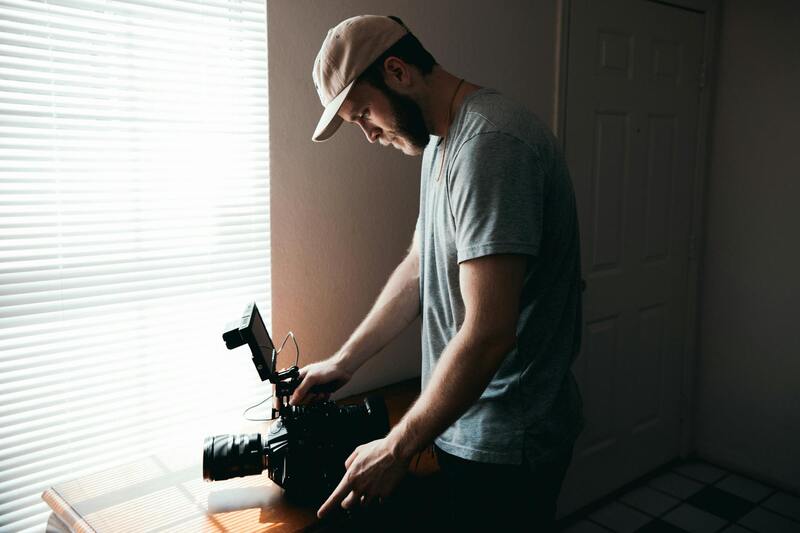
Implementing a successful livestream video production relies heavily on the selection and configuration of the right technical equipment. Central to this setup are high-definition cameras capable of capturing dynamic and detailed visuals from multiple angles, providing viewers with a comprehensive viewing experience. Professional-grade video switchers are employed to seamlessly transition between camera feeds, ensuring fluidity and professionalism during the broadcast.
Encoders are vital for converting raw video signals into optimized streams for online broadcasting platforms, supporting real-time transmission with minimal latency. The selection of encoders depends on the event's scale, desired streaming quality, and platform compatibility, with hardware encoders often favored for their reliability and consistent output compared to software alternatives.
Robust internet connectivity is crucial, especially in Miami, where dual internet lines and wired connections help maintain stream stability and prevent disruptions. Network equipment such as high-capacity routers and switches are configured to prioritize streaming traffic, ensuring bandwidth is allocated to deliver high-quality video consistently.
Audio technology also plays a critical role, with professional microphones—lapel, shotgun, or boundary—chosen based on the venue size and acoustics. Audio mixers allow sound engineers to balance input levels and eliminate noise, which is fundamental for clear communication in live streams. Additionally, audio encoders synchronize sound with video feeds, maintaining perfect audiovisual harmony.
Lighting setup, as previously outlined, complements the camera work by providing even illumination, reducing shadows, and highlighting key subjects. Proper placement of lighting fixtures and the use of diffusers or reflectors contribute to a visually polished broadcast suitable for various event types—such as corporate seminars, concerts, or sports events in Miami.
Supporting hardware like video monitors and preview screens enable technicians to oversee the live feed in real time, facilitating immediate adjustments. Legal and safety standards must be adhered to when deploying electrical and electronic equipment, ensuring all devices are properly grounded and protected against power surges.
Preparing the technical infrastructure involves a comprehensive assessment of the venue, event scope, and broadcast requirements. Deployment of redundant systems, such as backup encoders and secondary internet connections, provides fail-safes against potential technical failures, thereby safeguarding the stream's continuity. Facile management of these systems by experienced technicians ensures smooth operation and high streaming standards throughout the event.
Technical Setup and Equipment
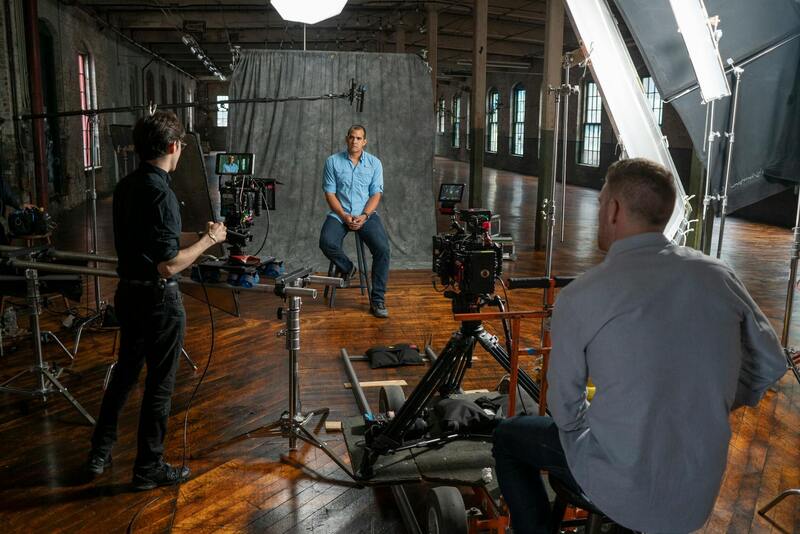
Executing a seamless livestream requires meticulous technical preparation, which begins with selecting the right equipment tailored to the event's scale and desired broadcast quality. High-definition cameras are essential for capturing every detail vividly, and their positioning must be strategically planned to cover all critical angles of the venue. Multi-camera setups enhance viewer engagement by providing dynamic perspectives, especially crucial for concerts, conferences, or sports events in Miami.
Video switchers or mixers play a pivotal role in transitioning smoothly between camera feeds, enabling live directors to select the most compelling shots instantaneously. Complementing visual equipment, robust audio systems are fundamental to ensure that sound quality matches video clarity. Wireless and wired microphones, along with sound mixers, help capture clean, clear audio, minimizing background noise and echo, which enhances overall production quality.
To synchronize audio and video feeds accurately, professional encoders are employed. These devices compress and transmit live video streams over the internet efficiently, saving bandwidth without sacrificing quality. Implementing redundant systems, such as backup encoders and secondary internet links, minimizes the risk of disruptions, ensuring continuous stream delivery.
Lighting is a critical aspect that influences the visual clarity and ambiance of the broadcast. Proper placement of lighting fixtures, combined with diffusers and reflectors, results in even, shadow-free illumination that highlights key subjects without causing glare or overexposure. This setup is essential for creating a visually appealing broadcast, regardless of whether the event takes place indoors or outdoors.
Technical support infrastructure also includes monitoring tools—such as preview monitors and real-time feedback systems—that allow technicians to oversee the live feed, identify issues promptly, and make necessary adjustments. All electronic equipment must comply with electrical safety standards, including proper grounding and surge protection, to prevent accidents or equipment failure during the live event.
Technical Setup and Equipment
Executing a seamless livestream video production in Miami requires meticulous attention to technical details and state-of-the-art equipment. Setting up a reliable streaming environment hinges on selecting the right hardware and adhering to best practices that guarantee high production quality. This phase involves configuring cameras, audio interfaces, encoders, and network components to work harmoniously, delivering a smooth and professional broadcast.
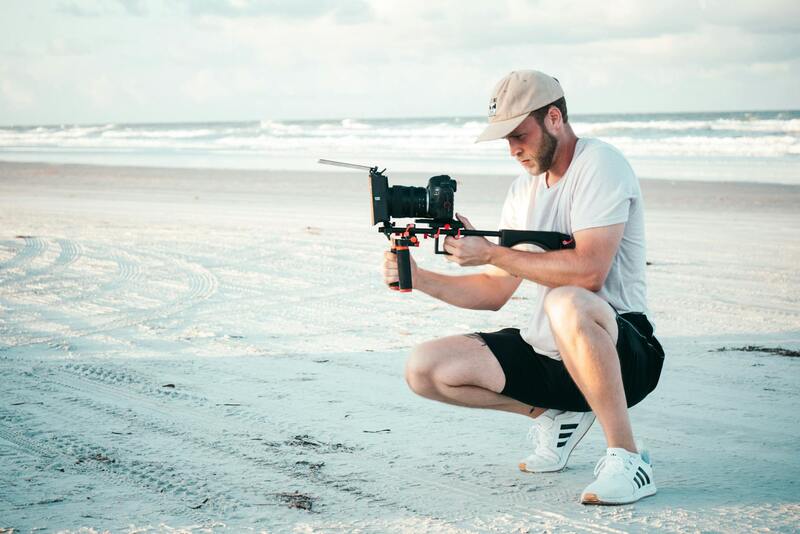
High-definition cameras are fundamental, with choices ranging from fixed broadcast cameras to mobile unit setups equipped with robotic or remote-control capabilities. These cameras provide crisp visuals essential for engaging viewers and capturing the event’s atmosphere accurately. Complementing video equipment, professional-grade microphones and audio mixers ensure crystal-clear sound, which is critical for audience engagement, especially when multiple speakers or live performances are involved.
Network stability is paramount. Dedicated internet connections with robust upload speeds are preferred, and employing bonders that combine multiple connections can further reinforce stability. This approach minimizes latency and reduces the risk of interruptions. Additionally, having backup internet sources and uninterruptible power supplies (UPS) equips the production team to handle unforeseen technical failures without compromising the broadcast continuity.
Encoding hardware plays a pivotal role, converting raw video feeds into optimized streams compatible with various platforms. Streaming software, or encoders, allow for real-time adjustments, overlays, and graphical enhancements, enriching the viewer experience. Ensuring all electronic equipment complies with safety standards and includes features such as surge protection helps prevent damage and maintains operation during live events.
Operational monitoring tools, like preview monitors and feedback systems, keep technical teams informed about stream quality. These tools come with alert systems that notify operators instantly about potential issues, enabling swift corrective actions. Proper placement of lighting fixtures, along with diffusers and reflectors, creates an even illumination for clear visuals, whether filming indoors or outdoors. The comprehensive infrastructure, supported by skilled technicians, ensures a professional-grade stream that resonates well with audiences in Miami and beyond.
Production Execution and Team Roles
The execution phase of livestream video production involves a coordinated effort from various specialists who work together to deliver a flawless event. Each team member has predefined roles that contribute to the overall success of the broadcast. These roles typically include director, camera operators, sound engineers, technical directors, and producers.
- Director: Oversees the entire operation, makes real-time decisions on camera angles, graphics, and transitions, and communicates with team members through headsets.
- Camera Operators: Manage camera positioning and framing according to cues from the director, ensuring dynamic visual storytelling.
- Audio Technicians: Monitor sound levels, balance audio sources, and troubleshoot microphone or speaker issues to guarantee clarity.
- Technical Director: Controls switching between video feeds, overlays, and other visual effects, executing the director’s vision effectively.
- Producer: Coordinates logistics, manages the schedule, and ensures smooth communication among team members.
During the event, technicians continuously observe the live feed, adjust camera angles, manage audio levels, and address technical hiccups promptly. The use of real-time analytics and monitoring tools helps maintain stream stability and quality. Careful planning and rehearsals before the event allow team members to anticipate potential challenges, ensuring a professional presentation that meets clients’ expectations and provides a polished experience to viewers.
Choosing a Miami Livestream Production Partner
Partnering with a reputable livestream video production provider in Miami is a strategic decision that significantly impacts the quality and success of your broadcast. An experienced local agency understands the regional market, has established relationships with venue providers, and is familiar with the technical landscape, ensuring seamless coordination and execution.
When evaluating potential partners, it’s essential to review their portfolio thoroughly. A diverse portfolio showcasing a range of successful live events—from corporate conferences and product launches to concerts and community events—demonstrates versatility and expertise. Look for case studies or examples that align closely with your event’s scope and objectives.
Technology compatibility is another critical factor. The partner should employ state-of-the-art equipment, including 4K cameras, professional-grade audio systems, reliable streaming encoders, and multiple broadcasting platforms. An agency that invests in the latest technology can provide higher quality streams with advanced features like multi-camera switching, integrated graphics, real-time overlays, and interactive elements that elevate viewer engagement.
Customized solutions tailored to your specific needs differentiate top-tier production partners. Whether you require a simple live stream, multi-camera production with on-screen graphics, or a hybrid event with on-demand content, the agency should offer flexible packages. Clear communication regarding your goals, audience size, and technical requirements allows for a plan that aligns with your vision.

Additional considerations include the provider's ability to offer on-site technical support, contingency planning for unforeseen issues, and post-event content management. A reliable Miami-based company will provide comprehensive services, from initial consultation through post-production, maximizing the overall value of your investment and ensuring a smooth experience for your audience.
Effective Methods for Livestream Video Production
Utilizing Authorized Platforms and Streaming Services
To ensure a seamless and high-quality livestream, it is essential to rely solely on authorized streaming platforms and services. These platforms are designed to work within the framework of broadcasting standards, providing reliable bandwidth, robust security features, and consistent performance. Reputable services offer multi-platform compatibility, allowing your content to reach audiences across social media, dedicated websites, and streaming apps simultaneously. This multi-channel approach maximizes viewer reach and engagement while maintaining stable streams, even during high-traffic periods.
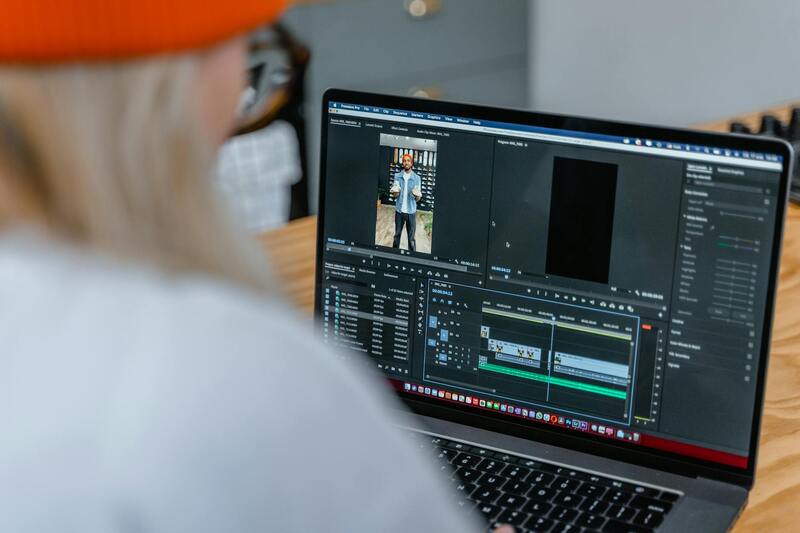
Choosing such platforms involves evaluating their integration capabilities with your existing workflows. They should support various camera inputs, live graphics overlays, real-time chat, and analytics tracking. These features enable producers to monitor the stream quality throughout the broadcast and make real-time adjustments, ensuring a professional presentation at all times.
Employing Certified Equipment and Hardware
Investing in certified, professional-grade equipment is fundamental for achieving the best broadcast quality. This includes high-definition cameras capable of delivering crisp visuals, professional-grade microphones and audio mixers for clear sound, and reliable encoding hardware to handle data compression and data transmission effectively. Certified equipment guarantees compatibility with streaming platforms and reduces the risk of technical failures during the broadcast.
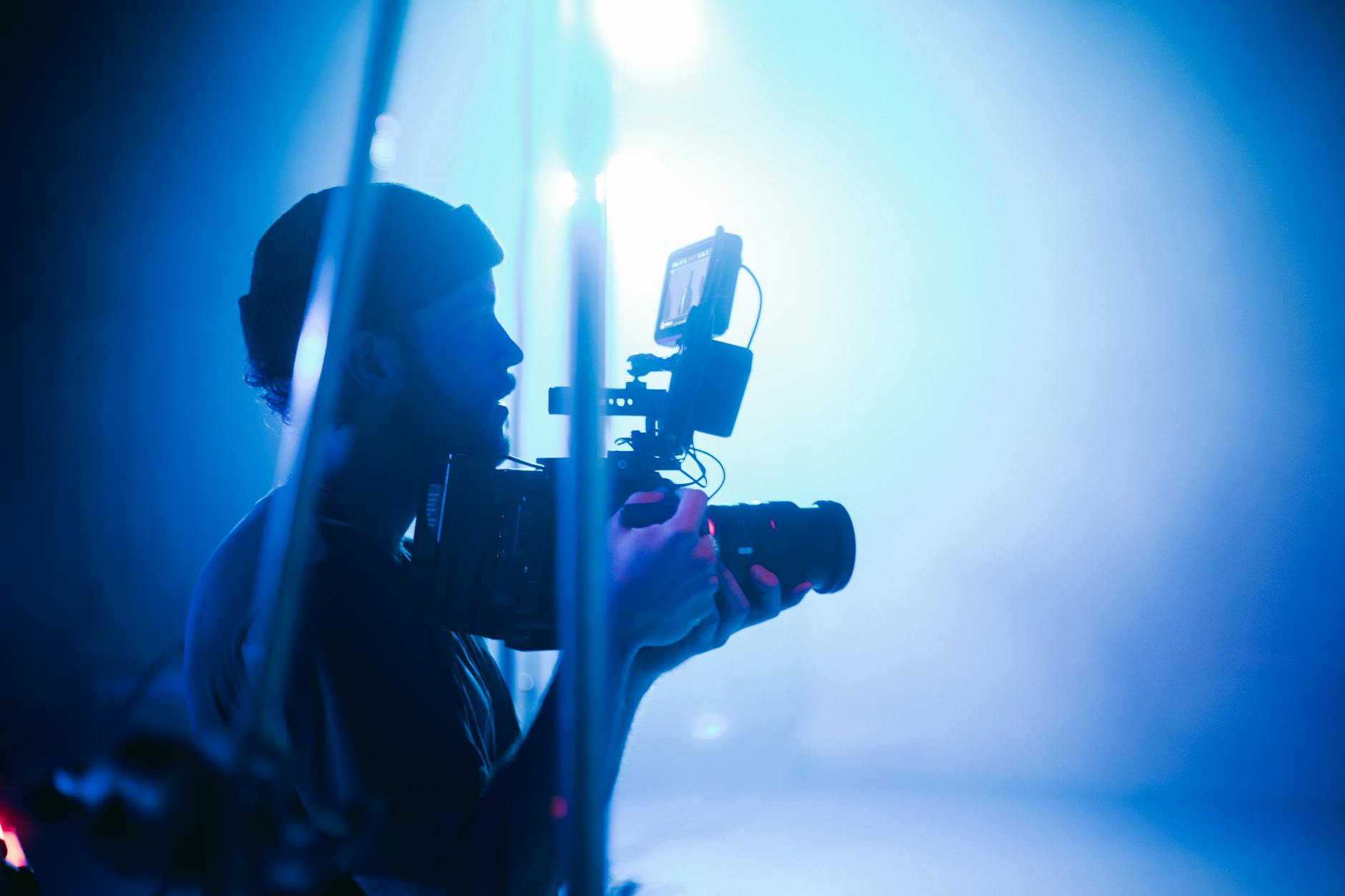
It is crucial to routinely maintain and calibrate the gear to prevent any technical issues during the event. Additionally, redundancy setups, such as backup cameras and alternate internet connections, serve as safeguards to maintain your broadcast's integrity, especially for vital live events where uninterrupted streaming is paramount.
Maintaining a Skilled Crew with Proper Certification
The people managing your live stream should be highly trained and certified in professional live broadcast production. This includes camera operators, sound engineers, technical directors, and on-site support staff. A knowledgeable crew can troubleshoot real-time issues efficiently, manage switching between multiple camera feeds, and optimize audio levels for a perfect viewer experience.
- Camera operators adept in live shot compositions and framing
- Audio technicians maintaining clear sound quality and managing feedback
- Technical directors overseeing switcher operations and stream stability
- Support staff prepared to handle internet connectivity and hardware troubleshooting
Employing skilled and certified personnel is crucial to meet high production standards, especially for complex multi-camera setups or hybrid event formats involving interactive elements or simultaneous multi-platform broadcasting.
Implementing Secure Content Delivery Networks (CDNs)
For larger or corporate events, utilizing a secure Content Delivery Network (CDN) is vital to ensure your livestream is delivered efficiently across various regions without buffering or interruptions. CDNs distribute the streaming load across multiple servers geographically dispersed, providing optimal distribution and redundancy. This approach not only enhances performance but also mitigates risks associated with network congestion or cyber threats.
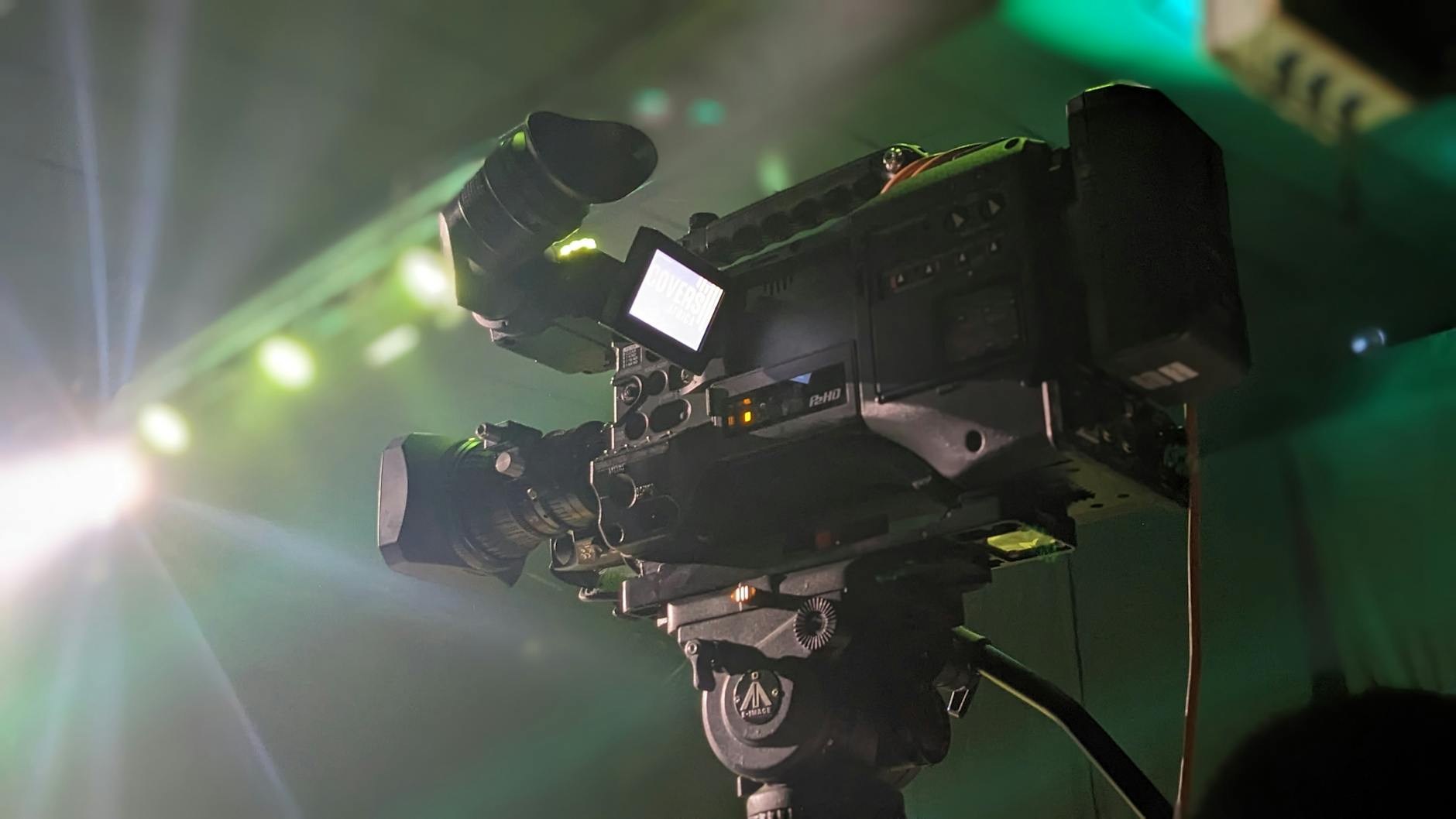
Partnering with a company experienced in configuring and managing CDN services is essential for achieving consistent stream quality, especially for high-demand or event-critical livestreams. Proper security measures, such as encryption and access controls, further protect your content from unauthorized access or interception.
Monitoring and Analytics for Real-Time Quality Control
Real-time monitoring tools provide continuous feedback during a live broadcast, allowing technical teams to promptly address issues affecting stream quality, latency, or audio-visual synchronization. Analytics platforms offer insights into viewer engagement, drop-off points, and device usage, which can inform future content strategies.
- Stream health dashboards showing bitrate, latency, and error rates
- Viewer analytics tracking audience demographics, engagement, and geographic location
- Feedback loops for immediate problem-solving and post-event analysis
Deploying these tools enables streaming professionals to deliver a professional, glitch-free experience, while providing clients with valuable data to enhance future broadcasts or marketing efforts.