
Technology and Equipment Used by a Live Stream Video Company
High-quality live streaming hinges on the integration of cutting-edge technology and professional-grade equipment. A reputable live stream video company invests in a variety of broadcast tools that ensure crystal-clear video and seamless transmission even under challenging conditions. Typically, this includes high-definition cameras capable of capturing detailed imagery, professional audio equipment to deliver clear sound, and advanced video switchers that allow for dynamic switching between multiple camera angles.
In addition to hardware, robust streaming platforms are essential. These platforms must support high bandwidth capabilities, low latency transmission, and adaptive bit-rate streaming to accommodate viewers across different devices and network conditions. The technical backbone often features redundant servers and cloud-based infrastructure, which help to maintain stability and prevent interruptions during live events.
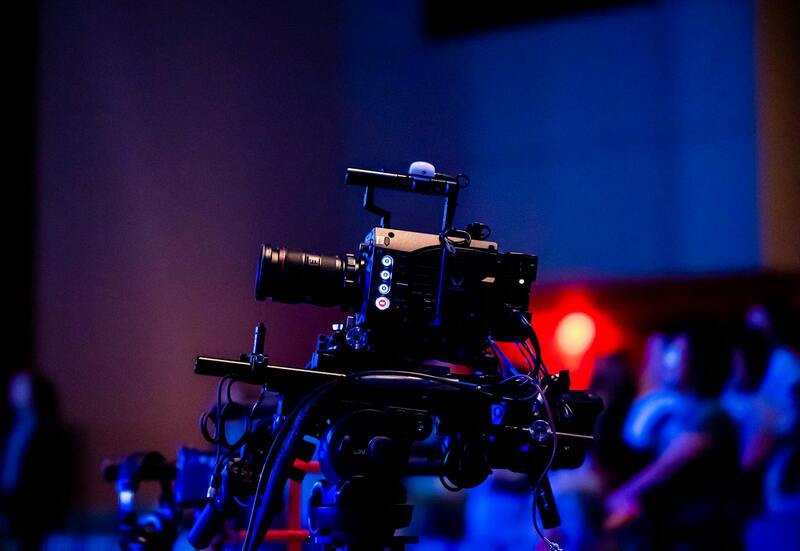
Moreover, sophisticated encoding hardware and software are employed to compress video feeds effectively without sacrificing quality. This equipment manages high-resolution streams, reducing lag and buffering issues, and guarantees that the audience receives a smooth viewing experience. Additionally, many providers utilize multi-platform streaming solutions that distribute content simultaneously across social media, websites, and other digital channels, maximizing reach and engagement.
Technical Infrastructure for Ensuring High-Quality Transmission
Reliable technical infrastructure involves high-speed internet connections, often with dedicated fiber optic lines, to support the substantial data transfer demands of live broadcasting. Network redundancy setups prevent service interruptions, while real-time monitoring tools enable engineers to quickly identify and resolve potential issues during a live event.
Advanced Video Production Capabilities
A proficient live stream video company employs professional production teams equipped with video switchers, graphics overlays, and live editing tools. This allows for a polished presentation that aligns with branding guidelines and event objectives, adding professionalism and engagement to the broadcast.
By leveraging these advanced tools and infrastructure, a live stream video company can deliver a consistent, high-quality experience that captures audience attention and ensures the success of any live event or broadcast.
Advanced Streaming Protocols and Security Measures
In the realm of live streaming, employing cutting-edge protocols is fundamental to delivering seamless broadcasts. Protocols such as Real-Time Messaging Protocol (RTMP), Hypertext Transfer Protocol Live Streaming (HLS), and Dynamic Adaptive Streaming over HTTP (DASH) ensure that video delivery adapts dynamically to varying network conditions, maintaining optimal quality for viewers across devices and connection types. These protocols enable viewers to experience uninterrupted streams, regardless of bandwidth fluctuations, by automatically adjusting video quality in real-time.
Security is equally vital. Implementing encrypted transmission channels safeguards content from unauthorized access and interception. Secure Token Authentication can restrict stream access to authorized viewers, while digital rights management (DRM) systems help prevent unauthorized redistribution. Additionally, utilizing secure ingestion points with firewalls and secure login credentials minimizes vulnerabilities during the broadcast setup phase.
Content Delivery Networks and Edge Servers
To achieve reliable global coverage, live stream video companies harness the power of Content Delivery Networks (CDNs). CDNs distribute media content through a network of edge servers strategically located across various regions. This distribution reduces latency and minimizes buffering by serving content from servers geographically closer to viewers. In Miami, local edge servers can significantly enhance live stream performance by reducing time delays and improving connection stability.
Employing multiple CDN providers can also add redundancy, ensuring continuous service even if one network experiences issues. Advanced caching strategies further optimize bandwidth usage, allowing for high-quality streams without overloading network resources. These infrastructure elements are critical for maintaining a consistent, high-fidelity viewing experience—especially during high-demand broadcast events.
Monitoring and Troubleshooting Capabilities
During a live broadcast, real-time monitoring tools are indispensable for maintaining stream quality. These systems continuously track parameters such as bandwidth utilization, latency, packet loss, and server performance. If discrepancies are detected, automated alerts prompt technical teams to initiate troubleshooting procedures immediately, minimizing downtime.
Moreover, advanced analytics can provide post-event insights into viewer engagement and technical performance. This data-driven approach enables live stream providers to refine their infrastructure, optimize encoding settings, and prepare more robust plans for future events. Ultimately, this proactive monitoring ensures that live broadcasts remain technically seamless and engaging for audiences.
Integration with Event Production Tools
A professional live stream video company integrates its streaming infrastructure with advanced production tools. Live switching between camera feeds, overlays, and graphics can be orchestrated using professional-grade video switchers and control rooms—allowing for dynamic and visually engaging broadcasts. These tools support multi-camera setups, picture-in-picture displays, and animated overlays, elevating the overall production quality.
Moreover, live editing capabilities enable seamless transitions and real-time content adjustments, aligning the broadcast with branding and event narratives. For events with multiple segments or speakers, synchronization of audio and video feeds ensures a polished presentation. This level of integration empowers businesses to deliver broadcasts that are not only reliable but also visually compelling, capturing the audience’s attention throughout the event.
Technology and Equipment Used
Leading live stream video companies leverage cutting-edge technology to ensure seamless broadcasting experiences for their clients. This involves the deployment of high-definition cameras, professional-grade audio capture devices, and robust encoding hardware. Such equipment is critical in capturing the in-depth detail of live events, whether they are corporate conferences, concerts, or educational seminars, providing clarity and professionalism that elevate the viewer's experience.
The choice of streaming hardware also includes advanced video switchers, which enable real-time switching between multiple camera angles, graphics, and video sources. These devices enhance the visual presentation, making live streams more engaging and dynamic. Control rooms equipped with high-capacity servers and real-time monitoring systems support the technical backbone, allowing operators to monitor stream health continuously, troubleshoot issues instantly, and maintain broadcast stability.

At the core of these technical capabilities lies high-speed internet connectivity with dedicated bandwidth to prevent interruptions due to network fluctuations. Redundant internet connections are often employed to provide failover options, safeguarding the live stream against connectivity issues. Additionally, advanced encoding and transcoding software optimize video delivery across various devices and bandwidth conditions, ensuring consistent quality regardless of the viewer’s platform or internet speed.
Many companies also integrate portable streaming solutions for on-the-go broadcasting at outdoor or atypical venues. These mobile setups include high-performance lightweight cameras, wireless transmitters, and battery-powered encoders, enabling flexibility without compromising quality.
Live Streaming Software and Cloud-Based Platforms
More sophisticated providers utilize enterprise-grade live streaming software that facilitates multi-platform broadcasts across YouTube, Facebook, and proprietary websites. Cloud-based streaming platforms allow for scalable, reliable delivery with minimal latency and enhanced security features. These platforms also support real-time analytics and audience engagement tools, further increasing the effectiveness of live events.
Combining hardware expertise with state-of-the-art software ensures that live stream video companies are capable of delivering resilient, high-quality broadcasts that can adapt to a variety of event requirements and audience expectations.
Technology and Equipment Used
Leading live stream video companies leverage cutting-edge technology to deliver seamless and high-quality broadcasts. Central to their operations are high-definition cameras capable of capturing every detail with clarity, even in challenging lighting conditions. These are complemented by professional-grade audio equipment such as shotgun microphones and wireless transmitters, ensuring clear sound regardless of the environment. High-performance video encoders convert the raw footage into streamable formats optimized for online delivery, often employing hardware-based solutions for minimal latency.
The infrastructure supporting these services includes robust networking hardware like enterprise-grade routers and switches, which facilitate the smooth transmission of large data streams. High-speed internet connectivity with dedicated bandwidth is fundamental, preventing disruptions from external network congestion. Redundant internet connections, including fiber optic and cellular data links, serve as failover options to maintain uninterrupted streaming even if primary connections fail.
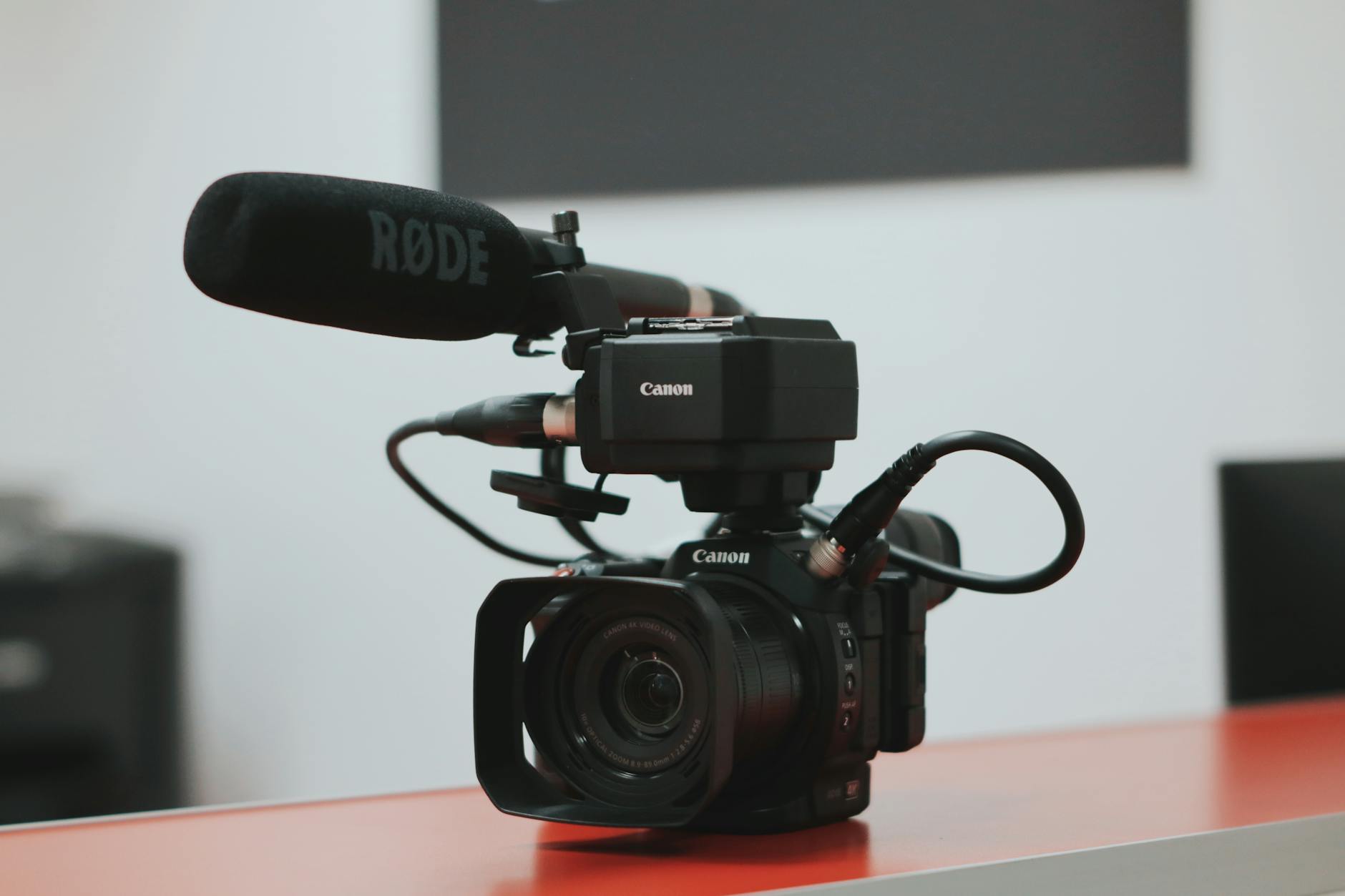
Overview of Live Streaming Video Services
Modern live streaming providers offer a comprehensive suite of services tailored to meet diverse client needs. These range from straightforward event streaming to complex multi-camera productions with live switching, graphics, and overlays. For corporate events, webinars, product launches, and large-scale conferences, a professional live stream ensures broad accessibility and high engagement. Many companies offer end-to-end solutions, managing every step from pre-production planning to post-event analytics. This includes content scheduling, camera switching, graphic insertion, and live commentary integration. High-quality streaming platforms support multi-camera setups, enabling dynamic coverage that mimics traditional broadcast productions. Additional services include on-demand content placement post-broadcast, social media distribution, and coaxing audience interaction through live chat and polling features. These capabilities enhance viewer engagement, extend the reach of the event, and provide valuable data for future planning.
Customizability and Service Offerings
Customization is a key feature of top-tier live stream video companies, allowing clients to tailor their broadcasts to meet specific branding and audience engagement goals. Service packages often include options like branded graphics, watermarks, and overlays that reinforce corporate identity. Clients can choose from various streaming formats—adaptive bitrate streaming for fluctuating internet speeds or multi-platform broadcasts to maximize access. Additionally, many providers offer specialized services such as behind-the-scenes production, live editing, and integration of remote guests via video conferencing tools. Mobile streaming capabilities also contribute significantly to flexibility. Portable setups utilizing lightweight, high-definition cameras and wireless transmitters enable live coverage of outdoor events, trade shows, and on-site product demos without compromising quality. These customizable options ensure a comprehensive service experience, aligned with the specific requirements of each event or campaign. Clients benefit from a collaborative approach where technical experts work closely to develop a tailored plan that maximizes reach, engagement, and professionalism.
Advanced Technology and Cutting-Edge Equipment Utilized
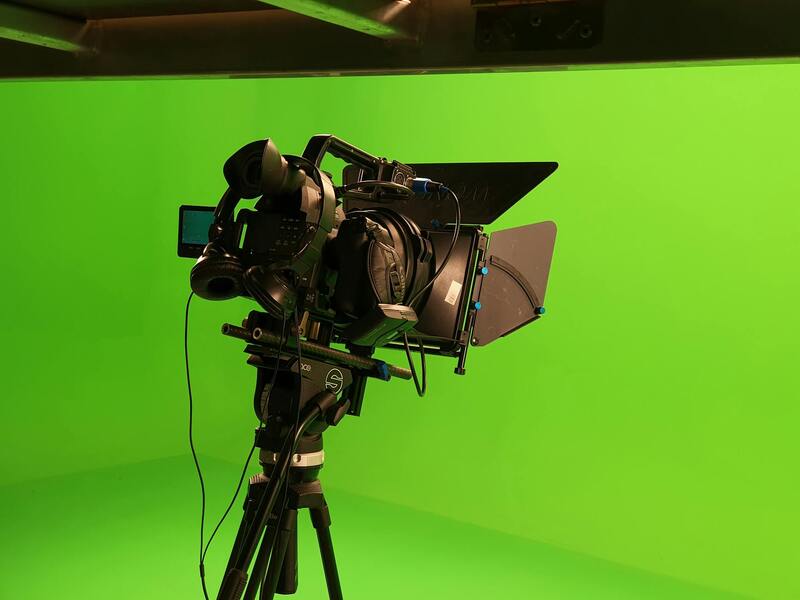
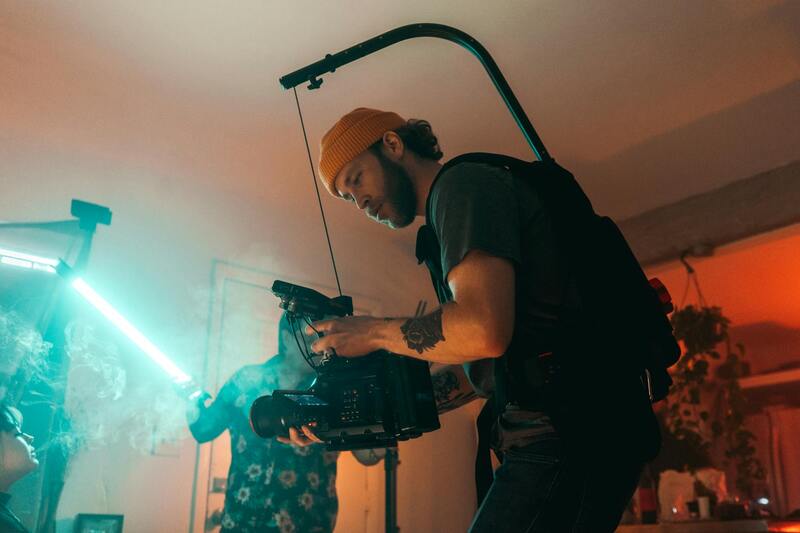
Partnering with a live stream video company that leverages state-of-the-art technology and top-tier equipment is essential for delivering seamless and high-quality broadcasts. High-definition cameras are fundamental, with many providers opting for 4K-capable devices to ensure crystal-clear visuals that captivate viewers. These cameras are often mounted on versatile rigs—such as tripod setups, mobile jibs, or stabilizers—to navigate dynamic environments and follow action smoothly.
Beyond cameras, professional audio equipment is critical for clear sound quality. Wireless microphones, shotgun mics, and audio mixers are used to capture live dialogue, musical performances, or ambient sounds with precision. Audio processing units further enhance clarity and eliminate background noise, creating a more engaging viewing experience.
Lighting is another vital component, especially for indoor events or controlled environments. LED panels, softboxes, and ring lights ensure subjects are well-lit without shadows or color distortions. For outdoor live streams, portable lighting solutions with weather-resistant features are employed to adapt to changing conditions.
The backbone of reliable streaming lies in robust encoding hardware—high-performance encoders convert the captured audio and video signals into digital streams compatible with various platforms. These encoders often support advanced streaming protocols like RTMP, HLS, or MPEG-DASH, facilitating adaptive bitrate streaming that adjusts to viewers’ internet connection speeds, reducing buffering and lag.

Overview of Live Streaming Video Services
A comprehensive live streaming service provides more than mere video transmission. It includes pre-production planning, real-time management, and post-event analysis. Service providers typically offer end-to-end solutions, starting with initial consultation and content strategy development, to ensure the broadcast aligns with the client's branding and engagement objectives. During the event, the emphasis is on technical execution—multi-camera switching, real-time graphics, and live media overlays augment viewer experience, making the broadcast visually appealing and informative. Some companies also incorporate live interactions, such as chat, polling, or Q&A sessions, to foster audience participation. Post-event, services often extend to content editing, highlight reels, and analytics reporting, which help clients assess viewer engagement and refine future broadcasts. Additionally, distribution via multiple platforms, including social media, corporate websites, and third-party streaming channels, broadens outreach and maximizes exposure. This integrated approach ensures clients receive a consistent, professional broadcast tailored to diverse viewing preferences and technical requirements, whether streaming a product launch, corporate conference, or live concert.
Customizability and Service Offerings
Adaptability is a hallmark of distinguished live stream video providers. Customization options encompass visual branding elements—such as overlays, lower thirds, watermarks, and branded graphics—that reinforce corporate identity throughout the broadcast. These elements are seamlessly integrated to enhance professionalism without distracting from content. Clients can select various streaming formats, including adaptive bitrate streams that automatically adjust quality based on viewer internet speeds, ensuring smooth playback for audiences everywhere. Multi-platform streaming capabilities enable simultaneous broadcasts across social media channels, IPTV networks, or dedicated websites, expanding reach efficiently. Specialized features like remote guest integration via video conferencing tools or live editing dashboards provide flexibility and control over the broadcast flow. Behind-the-scenes production packages include multiple camera angles, on-screen graphics, and live commentary, making the content more engaging and dynamic. Mobile streaming solutions using lightweight, wireless equipment cater to outdoor or on-the-move events, from trade shows to sporting events. These setups often include battery-operated cameras and wireless transmitters that facilitate real-time coverage without tethering to fixed infrastructure. Such tailored service offerings allow clients to craft a broadcast that reflects their brand identity, engages audiences effectively, and achieves their specific communication goals, all supported by technical experts who ensure flawless execution and adaptability to evolving event needs.
Technology and Equipment Used
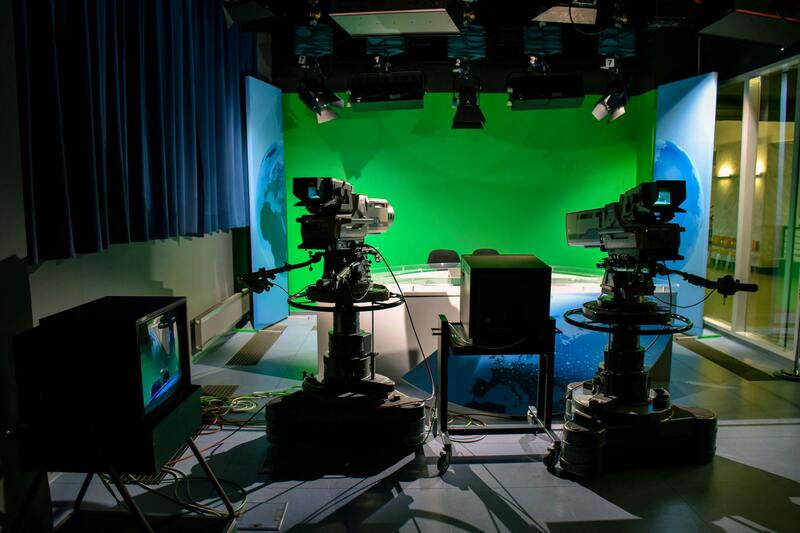
Leading live stream video companies leverage cutting-edge technology to deliver high-quality broadcasts. The backbone of a professional live streaming service is its infrastructure, which includes broadcast-grade cameras, high-speed encoders, and reliable switching hardware. These elements ensure crisp visuals and seamless transitions, even in complex production environments.
Camera selection is critical; companies typically employ 4K resolution cameras for sharp images, along with multiple camera angles to add dynamism. Efficient encoders are used to compress video signals without compromising quality, allowing for smooth streaming across various bandwidths. High-performance switches enable real-time switching between camera feeds and graphic overlays, creating a polished final product.
Furthermore, audio quality is not overlooked. Professional microphones, audio mixers, and wireless systems transmit clear sound to complement the visual content. For outdoor or mobile events, rugged, portable equipment solutions are essential to cope with environmental challenges, providing flexibility without sacrificing reliability.
Overview of Live Streaming Video Services
Live stream video companies offer a diverse array of services catered to various event types and client needs. Corporate entities may require live broadcasting for conferences, product launches, or investor presentations. Event organizers often seek live streaming capabilities for festivals, sports competitions, or charity galas. Educational institutions utilize live feeds for webinars, seminars, and training sessions.
These services encompass pre-production planning, including content scripting, camera placement, and technical rehearsals, to ensure smooth execution. During the event, real-time monitoring and technical support mitigate any unforeseen issues, maintaining broadcast integrity. Post-event, clients benefit from recorded versions for further dissemination or on-demand access.
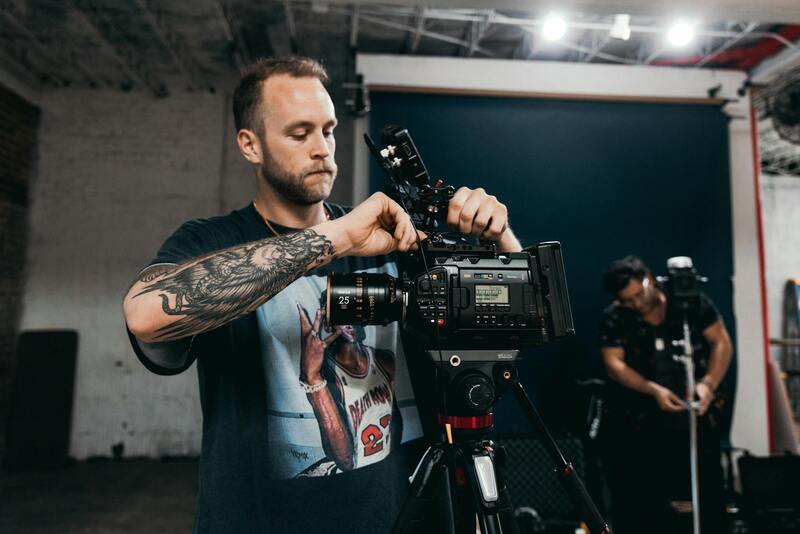
Customized solutions often incorporate branding overlays, interactive elements, and multi-platform distribution to maximize audience engagement. The ability to host live Q&A sessions, integrate social media feeds, or provide viewer analytics enhances the overall value of the streaming experience.
Customizability and Service Offerings
Flexibility in service offerings allows clients to curate their live streams to match branding and event objectives. From simple single-camera feeds to complex multi-camera productions with graphics, overlays, and live editing, service providers adapt to the scope and scale of each project. Additional offerings may include remote guest participation, multilingual streams, and virtual event platforms.

Experts work closely with clients to develop a comprehensive plan that aligns with their branding, messaging, and audience engagement goals. This collaborative approach ensures that each broadcast is both professional and impactful, fostering a stronger connection between the client and their viewers.
Key Features of a Reliable Live Stream Video Company
- Technical Expertise: Skilled professionals adept at handling complex setups and troubleshooting.
- High-Quality Equipment: Use of the latest cameras, encoders, and networking hardware.
- Scalability: Ability to support various event sizes, from small webinars to large-scale productions.
- Multi-platform Distribution: Simultaneous streaming to social media, dedicated websites, or IPTV channels.
- Customer Support: Dedicated technical support before, during, and after the event.
- Security Measures: Ensuring streamed content is protected from unauthorized access.
Local Expertise and Regulatory Knowledge
Choosing a live stream video company with a strong local presence offers distinct benefits. Professionals familiar with Miami’s specific regulatory landscape navigate permits, venue restrictions, and licensing requirements efficiently. Their local network facilitates swift deployment of equipment and staff, reducing logistical hurdles and ensuring timely event execution.
Furthermore, understanding regional audience preferences and cultural nuances allows for tailored content delivery. Local providers can anticipate potential challenges related to infrastructure limitations or environmental factors, implementing contingency plans proactively to prevent disruptions.

Technology and Equipment Used
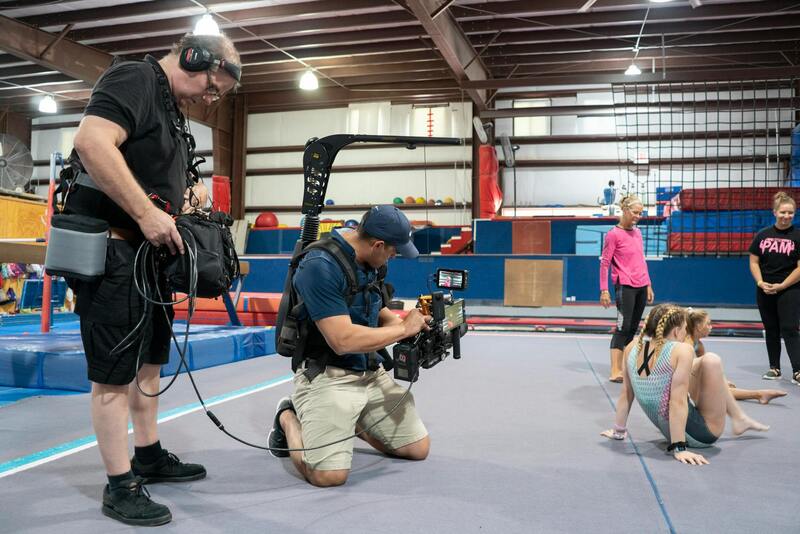
A premier live stream video company employs cutting-edge technology and top-tier equipment to ensure seamless broadcasts. High-definition cameras capture clear visuals, while professional-grade encoders transmit data efficiently to avoid lag or buffering. State-of-the-art audio systems provide crisp sound quality, essential for engaging viewers. Additionally, robust networking hardware guarantees stable internet connectivity, which is critical for preventing dropouts during live events.
Advanced production tools such as multi-camera switching, graphics overlays, and real-time editing enhance the broadcast, providing a polished viewing experience. Many providers also integrate wireless transmission systems to allow flexible camera placement without compromising quality. These technological assets, combined with rigorous maintenance protocols, ensure consistent performance across all live streaming projects.
Overview of Live Streaming Video Services
Live streaming services encompass a broad range of solutions tailored to different event needs. From small webinars and corporate meetings to large-scale conferences and cultural festivals, professional providers deliver customized packages that include equipment setup, content management, and multi-platform distribution. Services often incorporate real-time analytics to monitor viewer engagement, allowing hosts to adjust content dynamically.
In addition to broadcasting, many companies offer on-site production teams for multi-camera setups, integrated graphics, and professional commentary. Post-production support, including highlight clips and recording access, adds value for future marketing efforts. The scalability of these services ensures clients can efficiently manage events of various sizes while maintaining high broadcast standards.

Customizability and Service Offerings
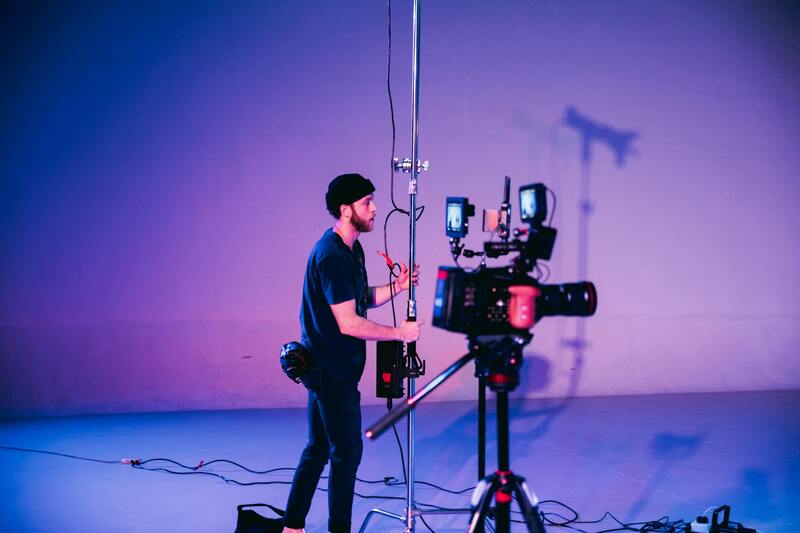
One of the key strengths of reliable live stream video companies is their ability to offer fully customizable solutions. Clients can choose from a menu of services that include broadcast design, branded graphics, and interactive features such as Q&A sessions or live polls. This flexibility allows organizations to create engaging and tailored viewing experiences that resonate with their target audiences.
Additional service offerings may include pre-recorded content integration, multilingual captioning, and on-demand access post-live event. Technical support teams work closely with clients during the planning phase to develop detailed workflows, ensuring that every element aligns with branding guidelines and event objectives.
Key Features of a Reliable Live Stream Video Company
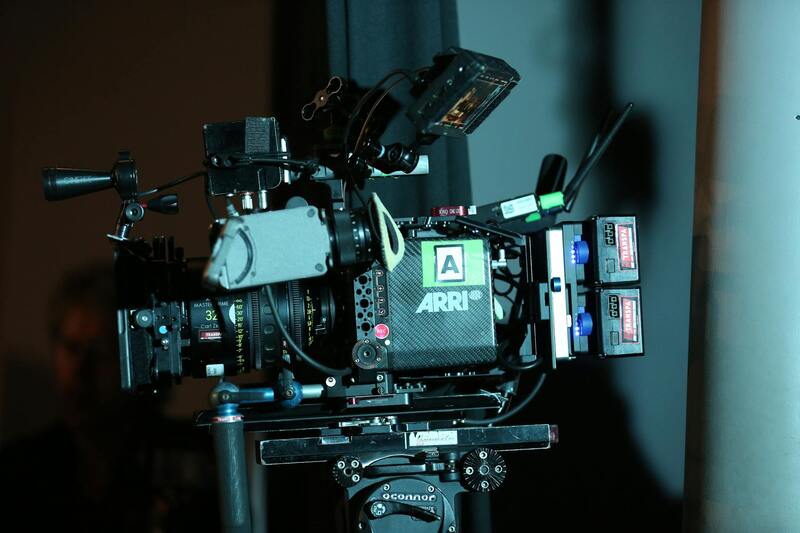
Successful live streaming hinges on multiple core features that guarantee quality and reliability. A reputable provider maintains a highly skilled technical team capable of managing complex setups and resolving issues promptly. They utilize the latest in video and audio equipment to deliver crisp visuals and sound, even under challenging conditions.
Scalability is vital, allowing support for both small and expansive audiences without compromising stream integrity. Multi-platform distribution ensures content reaches viewers across social media, websites, and IPTV channels simultaneously. Dedicated customer support available before, during, and after events ensures quick assistance in case of technical difficulties. Moreover, security protocols such as encrypted streams and access controls help protect content from unauthorized interception or piracy.
Local Expertise and Regulatory Knowledge
Local live stream providers bring invaluable regional expertise that benefits the entire broadcast process. Familiarity with Miami’s specific regulatory landscape, including permits and venue restrictions, expedites setup and execution, minimizing delays. Their connections within the local network facilitate swift deployment of equipment and personnel, ensuring the event proceeds smoothly and on schedule.
Understanding regional audience preferences and cultural sensitivities enables customization of content and presentation styles. Local providers are adept at managing infrastructure challenges, such as bandwidth limitations or environmental factors, through proactive contingency planning. This regional insight directly translates into higher broadcast quality and smoother event delivery, resonating well with the local viewership.
Technology and Equipment Used
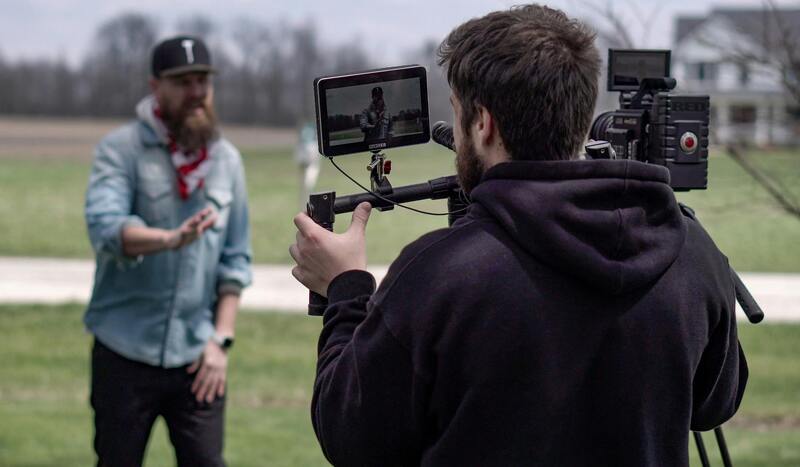
Leading live stream video companies leverage cutting-edge technology and premium equipment to ensure seamless content delivery. High-definition cameras, professional audio capture devices, and multi-source switching hardware are standard, enabling dynamic and engaging broadcasts. Advanced encoding hardware minimizes latency and maximizes streaming stability across multiple platforms. High-speed reliable internet connections, often supplemented with dedicated fiber lines or bonded cellular networks, are critical for maintaining uninterrupted streams, especially during large-scale events.
In addition, solutions like cloud-based distribution networks enable efficient content management and scalable streaming, accommodating audience growth without compromising quality. Encoders with real-time analytics help monitor stream performance, allowing technicians to make immediate adjustments. Backup systems, including redundant servers and failover internet connections, protect against technical failures, ensuring consistent broadcast continuity.
Overview of Live Streaming Video Services
Comprehensive live streaming services encompass every stage of broadcast production—from pre-event planning to post-event analytics. These services include multi-camera setups for dynamic filming, professional audio management, real-time graphics and overlays, and synchronized multi-platform distribution. Production teams coordinate content flow, ensuring seamless transitions and engaging presentation styles, while technical personnel monitor stream stability throughout. Broadcasts can be tailored for a variety of events, including corporate conferences, product launches, concerts, sports, and community gatherings. Custom graphics, branding overlays, and interactive elements enhance viewer engagement, making broadcasts more compelling. Furthermore, live streaming providers often offer on-site technical support, ensuring that all equipment functions optimally. Post-event, detailed analytics reports help clients gauge audience engagement metrics, viewership numbers, and platform-specific insights, informing future content strategies. This comprehensive service approach guarantees a polished, professional presentation that elevates your event's digital reach.
Customizability and Service Offerings
Customization is a key element in live stream video services, allowing clients to tailor the broadcast experience to align with their brand and event objectives. Options include branding overlays, custom graphics, targeted content sections, and specific platform integrations. Many providers offer dedicated project management, ensuring your unique requirements are understood and executed flawlessly. Beyond basic streaming, value-added services such as multi-language translation, interactive chat integration, and behind-the-scenes footage can enrich the viewer experience. Some companies provide multi-platform scheduling and targeted distribution strategies, optimizing reach across social media channels, websites, and OTT platforms. Additionally, service packages can be adapted for specific event types, whether it’s a formal corporate presentation or an energetic concert. This high degree of customization ensures the live stream resonates with your target audience, enhances brand visibility, and achieves your communication goals effectively.
Key Features of a Reliable Live Stream Video Company
Trustworthy live streaming companies typically emphasize several core features that guarantee quality and reliability:
- High-Quality Production Equipment: Use of professional cameras, audio, and switching gear to ensure crisp visuals and clear sound.
- Advanced Streaming Infrastructure: Robust encoding hardware and delivery networks that support multi-platform broadcasting with minimal latency.
- Redundancy and Backup Solutions: Fail-safe systems that automatically switch to backup streams or internet sources in case of technical issues.
- Experienced Technical Team: Engineers and producers with hands-on expertise managing live broadcasts in diverse environments.
- Customer Support and Reachability: Dedicated support teams available before, during, and after events to troubleshoot and resolve issues promptly.
- Security Measures: Encrypted streams, access controls, and digital rights management to safeguard your content from unauthorized access.
- Scalability and Flexibility: Ability to adapt to different event sizes and complexities, offering scalable solutions that meet specific client needs.
Technology and Equipment Used
Choosing the right live stream video company involves understanding the technological backbone that ensures a seamless broadcast. A reputable provider employs advanced hardware such as professional-grade cameras capable of capturing high-definition visuals, which are essential for engaging content delivery. High-quality audio equipment, including directional microphones and sound mixers, contributes significantly to a polished viewing experience. Switching equipment like video switchers allows for dynamic content changes, overlays, and seamless transitions during the live stream.
In addition, cutting-edge encoding hardware plays a vital role in transmitting high-definition signals efficiently across various platforms. Cloud-based infrastructure supports scalable streaming solutions, accommodating both small-scale corporate meetings and large-scale events. Redundancy systems, including backup internet sources and hardware, are integrated to mitigate potential disruptions, ensuring continuous broadcast even amidst technical issues.
Supporting equipment such as teleprompters, lighting setup, and stabilization gear ensures optimal image quality and presenter comfort. The integration of multi-platform streaming servers guarantees simultaneous live broadcasting across social media, websites, and other digital channels, broadening the reach of any event. Overall, the deployment of professional-grade technology is crucial for delivering an engaging, reliable live streaming experience that aligns with modern standards.
Overview of Live Streaming Video Services
Live streaming services encompass comprehensive solutions tailored to meet diverse client needs. These services range from simple webcam-based broadcasts for small events to complex multi-camera productions for large, high-profile occasions. A typical offering includes pre-production planning, on-site setup, real-time broadcasting, and post-event analytics.
For corporate communications, training sessions, product launches, or entertainment events, providers offer customizable packages that include multi-camera configurations, interactive features, and professional commentary. They also ensure content delivery consistency, maintenance of streaming quality, and scalability to manage fluctuating viewer sizes. Additionally, services might incorporate multi-platform streaming, allowing simultaneous broadcasting on multiple digital channels, and viewer engagement tools like chat integrations and polls.
Understanding the scope and features of these services helps clients select solutions aligned with their objectives, audience size, and content complexity, ultimately maximizing their event’s effectiveness.
Customizability and Service Offerings
Flexibility is a hallmark of leading live stream video companies. They tailor solutions to suit specific client goals, whether it's promoting a brand, conducting virtual conferences, or broadcasting large-scale events. Customization options include branding overlays, tailored graphics, interactive features, and personalized content layouts that reinforce brand identity during broadcasts.
Services also extend to on-demand content repurposing, multi-camera setups, and sophisticated audio-visual integrations. Clients can opt for various levels of technical involvement, from fully managed productions with end-to-end services to self-service options supported by technical guidance. This adaptability ensures that each event is executed with precision, resonates with the target audience, and achieves the desired outcome.
Furthermore, ongoing consultation and pre-event rehearsals facilitate an understanding of client expectations, enabling the production team to craft a streaming experience that is both innovative and aligned with organizational branding and messaging strategies.
Key Features of a Reliable Live Stream Video Company
Reliability in live streaming hinges on several core features that ultimately influence the quality and professionalism of the broadcast. First, a reliable company maintains a fleet of state-of-the-art production equipment, including high-definition cameras, professional audio gear, and robust streaming hardware. These tools ensure crisp visuals and pristine sound, elevating the viewer experience.
Advanced streaming infrastructure involves high-capacity servers and content delivery networks that support multi-platform broadcasting without lag or interruptions. Redundancy systems, such as backup internet connections and failover hardware, prevent disruptions, ensuring the live stream remains uninterrupted even during unforeseen technical issues.
Having an experienced technical team is essential. Skilled engineers and producers coordinate behind the scenes, managing equipment, troubleshooting issues in real-time, and ensuring smooth transitions. Customer support teams available during the event provide immediate assistance, addressing any concerns swiftly.
Security measures, including encrypted streams and access controls, protect sensitive content from unauthorized viewing or interception. Scalability is also critical, enabling the streaming setup to adapt to various event sizes and complexities, providing flexibility as requirements evolve. A combination of these features underpins a seamless, professional live streaming experience.

Client Support and Reliability
Consistent client support is vital for successful live streams. A dependable provider offers responsive customer service, with dedicated account managers and technical support teams available before, during, and after events. Prompt communication and troubleshooting reduce downtime and technical glitches, ensuring clients remain confident in the broadcast process.
Reliability is also reflected in the company's track record—demonstrated through past event success stories and positive client feedback. Regular quality assurance checks and ongoing staff training contribute to sustained high standards. Providing transparent communication, detailed timelines, and proactive planning minimizes surprises and enhances overall confidence in the service provided.
Benefits of Hiring a Local Miami Live Stream Video Company
Employing a Miami-based live stream video provider offers several unique advantages. Local companies have an in-depth understanding of the regional landscape, including logistical considerations, infrastructure availability, and local regulations. This familiarity facilitates smoother on-site setups and quicker response times in case of technical issues, reducing delays and enhancing coordination.
Additionally, local providers often maintain strong relationships with regional venues, audiovisual vendors, and event organizers, leading to more streamlined planning processes. Being geographically close allows for more personalized service, face-to-face consultations, and immediate on-site support when needed.
This proximity also enables better customization to local cultural nuances and audience preferences, resulting in more engaging, relevant content. For Miami businesses aiming to showcase their regional identity and connect authentically with their community, partnering with a local live stream company ensures relevance, reliability, and a collaborative approach that aligns closely with specific event goals.
Technology and Equipment Used
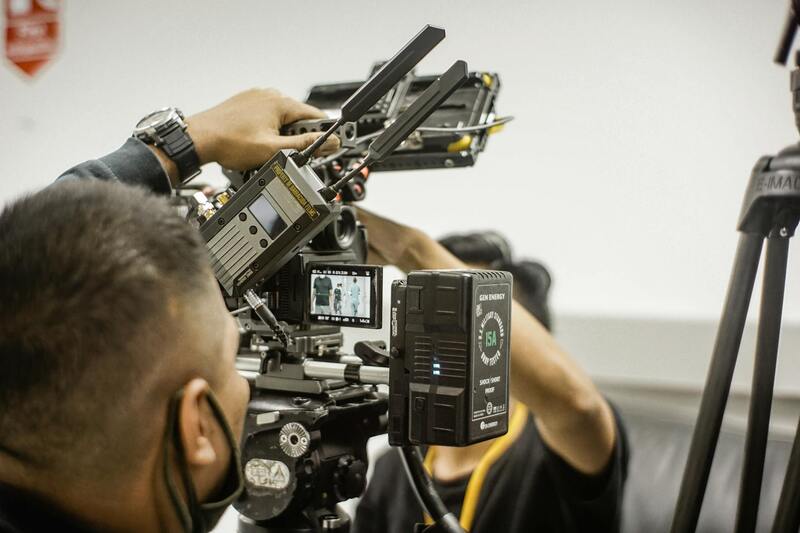
At the core of a superior live stream video company lies a deployment of cutting-edge technology and high-quality equipment. These elements ensure seamless, high-resolution broadcasts capable of engaging audiences regardless of their location. Reliable cameras, such as 4K ultra HD models, deliver sharp, vibrant visuals, while professional-grade microphones and audio mixers guarantee crystal-clear sound that enhances viewer immersion.
Beyond traditional video and audio gear, advanced streaming hardware plays a crucial role. Encoders and decoders, often integrated with hardware streaming devices, facilitate simultaneous multi-platform broadcasting, reducing latency and minimizing the risk of disruptions. These devices are complemented by high-speed, low-latency internet connections, often backed by redundant network setups to ensure uninterrupted service.
In addition to on-site equipment, a professional live streaming company invests in robust broadcasting infrastructure, including cellular bonding technology and satellite uplinks for remote venues or locations with limited internet access. The integration of software solutions such as multi-camera switching, real-time graphics, and live analytics further enhances the production quality, making streams more dynamic and interactive.
Overview of Live Streaming Video Services
Live stream video companies offer comprehensive services that cater to a broad spectrum of client needs. These services range from simple single-camera broadcasts for small events to full-scale multi-camera productions for large conferences, concerts, or corporate events. Many providers also offer post-production editing, live polling, viewer engagement tools, and on-demand access after the event concludes.
Some companies specialize in niche markets, such as religious services, educational webinars, or sports tournaments, leveraging advanced streaming platforms to maximize reach and engagement. The services are often customizable, allowing clients to select specific features and tailor the presentation to match brand identity or event style.
Customizability and Service Offerings
Customization is integral to providing a memorable live streaming experience. Clients can choose from various options such as tailored overlays, logos, branded graphics, and interactive elements like chat integration or real-time Q&A sessions. Additionally, some companies provide bilingual or multilingual streaming options, essential for diverse audiences.
Service offerings typically include pre-event planning, on-site setup, real-time broadcasting, and post-event analytics. This comprehensive approach ensures that each event meets specific goals, whether it's increasing brand visibility, engaging community members, or providing a professional platform for corporate communication.
Technology and Equipment Used
Leading live stream video companies deploy cutting-edge technology and professional-grade equipment to ensure a seamless broadcasting experience. High-definition cameras, including PTZ (pan-tilt-zoom) cameras, are standard for capturing dynamic visuals during live events. Engineers often utilize multiple camera setups to provide various angles, delivering a cinematic quality that engages viewers effectively. Broadcast-quality audio equipment, such as wireless microphones and mixer consoles, guarantees clear sound, critical for delivering messages, speeches, or musical performances.
Moreover, robust encoding hardware and software ensure that video signals are efficiently compressed and transmitted without latency or interruptions. Content delivery networks (CDNs), which distribute the live stream across multiple servers, help mitigate bandwidth issues and provide stability for viewers regardless of their location. Reliable internet connectivity, often backed by backup generators and redundant internet links, is a non-negotiable element, especially during crucial live events.
Overview of Live Streaming Video Services
Professional live stream video companies offer comprehensive solutions tailored to various event sizes and types. These services encompass pre-event planning, on-site setup, live broadcasting, and post-event analytics. The goal is to provide a seamless experience that combines technical professionalism with creative presentation. Whether broadcasting a corporate seminar to a global audience or streaming a local community event, these providers leverage their expertise to match the client's specific objectives.
They utilize platforms compatible with social media channels, secure streaming servers, and integrations like chat functions, viewer polls, and interactive overlays to enhance engagement. Many companies also offer the ability to embed live streams into websites or apps, ensuring a cohesive branding experience. Additional services may include simultaneous multi-region streaming, multilingual commentary, and real-time viewer engagement tools.
Customizability and Service Offerings
Customizability is a vital aspect of modern live streaming solutions. Clients can request specific branding elements such as logos, color schemes, and graphical overlays to maintain consistency with corporate branding. Interactive features like live chat, Q&A sessions, and social media integration enable real-time engagement with audiences. Some companies provide bilingual or multilingual streams to reach diverse demographic segments.
The scope of services typically includes detailed pre-event consultations to plan technical logistics, stage setup with appropriate lighting and audiovisual gear, and on-site technical support during the event. Post-event analysis, including viewer metrics and feedback reports, allows clients to evaluate the success of their broadcasts and refine future strategies.
Technology and Equipment Used
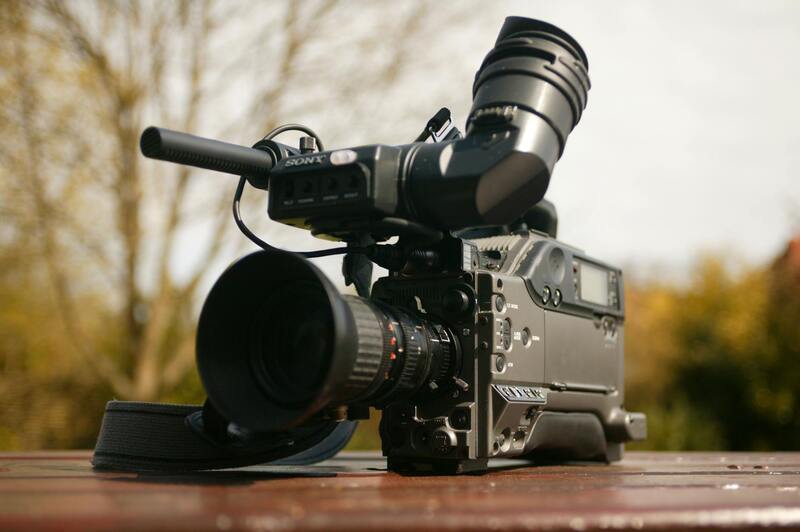
To deliver high-quality live streaming experiences, a live stream video company relies on advanced technology and professional-grade equipment. This includes high-definition cameras capable of capturing detailed visuals from multiple angles, ensuring clarity and a dynamic viewing experience. Massively powerful encoders are used to compress and transmit video signals efficiently, reducing latency and buffering for viewers across different locations.
Streaming servers play a vital role, providing a robust infrastructure that handles large bandwidth requirements and ensures uninterrupted service even during peak viewer engagement. Network infrastructure, including fiber-optic internet connections, guarantees low-latency data transmission, which is critical for real-time interaction and engagement. Supplementary equipment such as audio mixers, professional microphones, and lighting setups further enhance broadcast quality.
Overview of Live Streaming Video Services
Live streaming services encompass a range of offerings tailored to different event types and client needs. These include multi-camera event coverage, webinars, corporate meetings, product launches, concerts, and community gatherings. Many providers specialize in scalable solutions, from simple single-camera streams to complex multi-camera productions featuring professional crews. Streaming services are designed to be versatile and adaptable, supporting both small private events and large public broadcasts.
Particularly for businesses aiming to reach customers and stakeholders in real-time, live streaming serves as a powerful tool for engagement and brand visibility. The integration of these services into social media platforms, websites, and mobile applications broadens the reach and maximizes impact.
Customizability and Service Offerings
Customizability is a core feature of comprehensive live streaming packages. Clients can tailor their streams with branding overlays, including logos, themed graphics, and customized intro/outro segments, aligning the broadcast with branding guidelines and event themes. Interactive elements such as live polls, chat windows, and viewer Q&A sessions enhance audience participation, creating a more engaging experience.
Additional service options often include multilingual commentary, simultaneous translation, and regional streaming to accommodate diverse audiences. Pre-event planning sessions ensure technical logistics are mapped out meticulously, while on-site technical teams provide real-time support to ensure smooth operation throughout the event. Post-event analytics, including viewer demographics, engagement statistics, and feedback reports, enable clients to assess the success of their broadcasts and strategize future initiatives.

Key Features of a Reliable Live Stream Video Company
- High-definition, multi-camera production capabilities
- Secure and scalable streaming infrastructure
- Real-time technical support during live events
- Advanced encoding technologies to minimize latency
- Full customization options including branding and overlays
- Integration with popular social media platforms and websites
- Post-broadcast analytics for performance assessment
Local Expertise and Regulatory Knowledge
A Miami-based live stream video company possesses a nuanced understanding of local regulations, permits, and compliance standards necessary for smooth operation within several jurisdictions. Knowledge of regional broadcasting constraints, content approval procedures, and broadcast permissions ensures that live streams adhere to legal guidelines and avoid disruptions.
This local insight allows for tailored solutions that respect community standards and audience preferences, contributing to seamless event execution. Familiarity with Miami’s diverse cultural landscape also aids in delivering content that resonates locally while maintaining broad appeal.
Types of Live Streaming Solutions for Businesses
- Branded Live Events: Targeted at product launches, corporate conferences, and branded entertainment, emphasizing visual consistency and audience engagement.
- Webinars and Virtual Meetings: Designed for seamless remote collaboration with features like screen sharing, Q&A sessions, and attendee interaction.
- Hybrid Events: Combining live in-person components with virtual streaming to maximize audience reach and participation.
- Educational Broadcasts: For universities, training sessions, or workshops requiring high-quality visuals and interactive features.
- Community and Social Events: Promoting local festivals, charity events, or city initiatives with wide accessibility.
Pricing and Value Proposition
Competitive pricing models for live streaming services typically depend on factors such as event duration, technical complexity, geographic reach, and customization needs. Providers often offer tiered packages, ranging from basic streaming solutions to comprehensive production services that include pre-event planning, multiple camera angles, live editing, and post-event analytics.
Investing in quality live streaming delivers significant benefits, including increased audience engagement, broader reach, and enhanced brand image. The strength of a provider’s technical support and customization options adds further value, ensuring that clients receive tailored solutions that meet their specific objectives.
Technology and Equipment Used
When evaluating a live stream video company, understanding the technology and equipment they deploy is essential for ensuring high-quality broadcast experiences. Leading providers utilize state-of-the-art hardware, including professional-grade cameras capable of capturing high-resolution video, often 4K or higher, to deliver clear, vibrant visuals. These cameras are supplemented with advanced switching systems that enable seamless transitions between multiple camera feeds, providing dynamic coverage that engages viewers.
Audio quality is equally important; thus, top-tier companies incorporate high-fidelity microphones and audio mixing consoles to produce crisp, balanced sound that complements the visuals. Wireless microphones are often utilized during live events to allow greater flexibility for speakers and performers.
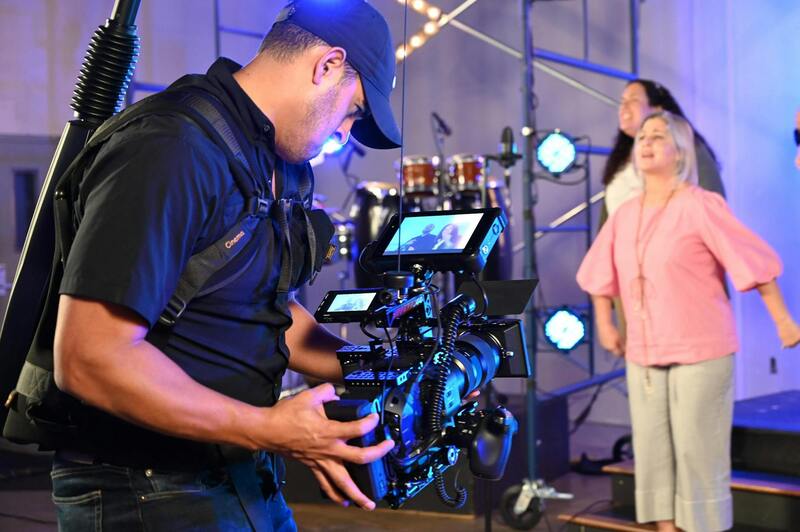
Streaming hardware, such as encoders and streaming servers, play a crucial role in transmitting the video feed to online platforms. Modern encoders support multiple streaming protocols and can handle high-bitrate streams, ensuring minimal buffering and high stability throughout the event. Additionally, backup systems and redundant internet connections are standard to prevent disruptions caused by connectivity issues.
Software solutions for live editing and production are also integral. These enable real-time overlays, branding, and graphics, enhancing the visual presentation and brand consistency. Furthermore, providers often incorporate remote monitoring tools that allow technicians to oversee the stream’s health, troubleshoot issues proactively, and make adjustments as needed.
Overview of Live Streaming Video Services
Live streaming services encompass a broad spectrum of offerings, from simple video feeds to complex multi-camera productions with professional post-production editing. Typical services include:
- Basic Live Streaming: Suitable for small-scale events or internal communications, providing a straightforward user experience with minimal customization.
- Event Production: Full-service packages that include multi-camera setups, live switching, professional audio, and graphic overlays, tailored for large corporate events, concerts, or product launches.
- Webinar & Virtual Meetings: Focused on remote collaboration, often integrating interactive features such as polls, Q&A, and screen sharing.
- Hybrid Event Solutions: Combining live on-site elements with virtual broadcast components to maximize outreach and engagement.
Many providers offer scalable packages, allowing clients to select options aligned with their event size, technical needs, and audience engagement goals. Customizable options often include multiple camera angles, live editing, on-screen graphics, and simultaneous distribution across various online platforms.
Customizability and Service Offerings
A reputable live stream video company provides extensive customization to match branding, event format, and audience expectations. Clients can choose from:
- Personalized branding overlays, logos, and animated intros
- Multiple camera angles for dynamic visual storytelling
- On-demand content post-event, including edited recordings and highlight reels
- Interactive features such as live chat, polls, and Q&A sessions
- Localized options for multi-language support or regional content adaptation
Furthermore, full-service providers often include pre-event planning, technical rehearsals, and post-event analytics, ensuring comprehensive support from initial concept to detailed performance review. This level of service guarantees that every aspect of the live stream aligns with client objectives and audience expectations.
Key Features of a Reliable Live Stream Video Company
Reliability hinges on several core features that ensure a smooth, high-quality broadcast experience:
- High-Quality Equipment: Use of professional cameras, microphones, and encoders designed for broadcast-grade production.
- Redundant Systems: Backup internet connections, power supplies, and streaming hardware to prevent disruptions.
- Experienced Technical Team: Skilled technicians capable of real-time problem resolution and stream management.
- Connectivity and Bandwidth: Ensuring sufficient upload speeds and stable internet connections in all event locations.
- Platform Compatibility: Support for multiple streaming platforms, including social media, dedicated websites, or proprietary portals.
- Advanced Monitoring: Tools for live tracking of stream health, viewer analytics, and immediate troubleshooting.
Additionally, top providers focus on providing a seamless user interface for viewers, with straightforward access, minimal latency, and optimal viewing quality across devices and network conditions.
Local Expertise and Regulatory Knowledge
Working with a local live stream video company in Miami brings distinct advantages. Local providers possess a deep understanding of regional regulations and permitting requirements, ensuring compliance for live broadcasts in public spaces or venues. They are familiar with the logistical nuances of different event sites, allowing for more efficient setup and execution. Moreover, local companies understand the community’s cultural dynamics, which can be instrumental in tailoring content that resonates with the target audience.
This regional knowledge extends to handling permits for drone videography, noise ordinances, and other legal considerations that vary from one municipality to another. Having a local partner also facilitates face-to-face communication, quick on-site adjustments, and real-time troubleshooting, all of which contribute to a more streamlined and successful event.
Types of Live Streaming Solutions for Businesses
Businesses can leverage diverse live streaming formats based on their objectives and audience engagement strategies:
- Branded Live Events: Amplify marketing efforts during product launches or corporate celebrations, ensuring visual consistency and brand recognition.
- Webinars & Virtual Conferences: Enable remote participation with interactive features, such as breakout rooms and live Q&A segments.
- Hybrid Events: Combine physical and virtual attendance, maximizing reach and inclusivity.
- Educational Workshops: Facilitate training sessions or seminars with interactive capabilities that promote active learning.
- Community Engagements: Promote local events, festivals, or social initiatives with accessible online coverage designed to engage community members.
Custom solutions are typically designed to meet specific organizational needs, including branding integration, multi-channel distribution, and audience interaction features.
Technology and Equipment Used
At the core of high-quality live streaming services are advanced technologies and professional-grade equipment that ensure seamless transmission and exceptional visual clarity. Industry-leading live stream video companies utilize top-tier cameras capable of capturing in 4K resolution, providing vibrant, crystal-clear visuals that engage viewers. These cameras often feature high dynamic range (HDR) and optical zoom capabilities, allowing dynamic framing and adaptability to varying lighting conditions.
Beyond cameras, the backbone of reliable live streaming includes robust broadcasting hardware such as switchers, encoders, and audio mixers. Professional encoders encode high-quality video signals into optimized formats suitable for real-time streaming across multiple platforms. They also support adaptive bitrate streaming, which adjusts the quality based on viewers' internet speeds, preventing buffering issues and delivering a consistent user experience.

Further, high-performance streaming servers and content delivery networks (CDNs) facilitate the distribution of your live video to an audience of any size, regardless of geographic location. Using secure, redundant connections minimizes downtime and guarantees reliable streaming even during unforeseen technical needs. Complementing the hardware, state-of-the-art software solutions handle multi-camera switching, real-time graphics, overlays, and interactive features that heighten viewer engagement.
Overview of Live Streaming Video Services
Comprehensive live streaming services encompass end-to-end solutions, from pre-event planning to post-event analytics. These services include content creation, video switching, encoding, platform management, and simultaneous multi-platform broadcasting. Many providers also incorporate multi-camera setups, professional lighting, and high-quality audio, all of which contribute to a polished broadcast capable of captivating audiences.
Customization extends as well, with some companies offering bespoke solutions tailored for corporate webinars, product launches, or large-scale conferences. Additional features such as live chat, audience polls, and real-time data tracking create interactive environments that boost attendee engagement and facilitate meaningful participation.
Customizability and Service Offerings
Leading live stream companies offer flexible service packages designed to meet specific client needs. This flexibility may include varying levels of technical support, content production, and platform integration. Clients can opt for turnkey solutions that require minimal input or engage in detailed, collaborative planning for highly customized broadcasts. Many providers also extend their services to include multi-language streaming, subtitles, and regional content adaptations to appeal to diverse audiences.
Key Features of a Reliable Live Stream Video Company
- High-definition broadcast capabilities with 4K support
- Multiple camera angles for dynamic viewing experiences
- Adaptive streaming technology to prevent latency issues
- Sophisticated audio and video mixing tools
- Real-time operational support during live events
- Secure and redundant streaming infrastructure
- Platform integration for social media and corporate websites
- Analytics and post-event reporting tools
Local Expertise and Regulatory Knowledge
A Miami-based live stream video company possesses invaluable local expertise, enabling them to navigate regional regulations efficiently. This familiarity ensures compliance with municipal permits, noise ordinances, and safety standards, which can vary significantly across neighborhoods and event types. Local providers are adept at managing logistical considerations such as site access, power sourcing, and onsite technical support, ensuring smooth execution from start to finish.
Types of Live Streaming Solutions for Businesses
Depending on organizational objectives, businesses can select from a spectrum of streaming options:
- Branded Live Events: Showcasing product launches or corporate milestones with integrated branding elements.
- Webinars & Virtual Conferences: Facilitating interactive online meetings with Q&A, polls, and breakout sessions.
- Hybrid Events: Seamlessly merging physical and virtual participation for expansive reach.
- Educational Workshops: Delivering training or seminars with real-time engagement tools.
- Community Engagements: Promoting local festivals, social causes, or city initiatives through accessible online content.
Each solution entry can be further customized to include branding, multi-channel distribution, and specialized audience interaction features, maximizing impact across different event types and organizational goals.
Pricing and Value Proposition
Live streaming costs are influenced by multiple factors: production complexity, equipment requirements, duration, platform choice, and technical support levels. While premium services with high-definition production and interactive features command higher rates, many providers offer scalable packages designed to deliver significant value for a range of budgets. Clients benefit from clarity in billing and transparent pricing models, which emphasize quality, reliability, and post-event analytics, providing insights for future planning.
Factors to Consider When Selecting a Live Stream Provider
- Technical capacity and equipment quality
- Experience in the specific event or industry
- Range of service offerings and customization options
- Support and customer service availability
- Platform compatibility and distribution reach
- Track record of successful events and client testimonials
- Financial transparency and pricing structures
Client Support and Reliability
An essential aspect of dependable live streaming is ongoing technical support, including on-site personnel, troubleshooting, and real-time adjustments. Reliable providers operate with redundant technologies, ensuring that any hardware or connection issues are swiftly managed without disrupting the broadcast. Transparent communication and a dedicated account manager foster confidence, enabling clients to focus on their event while the technical team handles logistical nuances seamlessly.
Benefits of Hiring a Local Miami Live Stream Video Company
Partnering with a Miami-based company affords numerous advantages, chiefly their intimate understanding of local venues, regulations, and community nuances. This regional insight facilitates smoother coordination, quicker onsite setup, and immediate troubleshooting, leading to a more polished event. Moreover, local providers often have established relationships with venues and vendors, streamlining logistical planning. Their familiarity with Miami’s diverse cultural landscape also allows for content that resonates authentically with the community, enhancing viewer engagement.
Future Trends in Live Streaming
Innovations are continuously transforming the live streaming landscape. Growing adoption of 4K resolution promises sharper imagery and more immersive experiences. Integration with social media platforms expands content reach and engagement, facilitating real-time interaction. Interactive features such as augmented reality overlays and virtual participation are beginning to redefine audience involvement, making live broadcasts more engaging and participatory. Additionally, advances in AI-driven analytics will soon provide deeper insights into viewer behavior, enabling tailored content delivery and improved event planning.
Planning and Executing a Successful Live Stream Event
Thorough planning encompasses technical rehearsals, content readiness, and contingency strategies. Pre-event testing of equipment and internet connections mitigates the risk of technical failures. Clear communication with the production team ensures alignment on key moments, cues, and engagement protocols. During the broadcast, real-time communication channels enable quick troubleshooting, while post-event analytics help assess performance metrics such as viewer engagement, retention rates, and platform effectiveness. The result is a dynamic, well-orchestrated event that maximizes audience reach and impact.
Cost Factors and Budgeting for Live Streaming Projects
Budgeting for live streaming involves assessing equipment costs, staffing, platform licensing, and post-production expenses. High-bandwidth internet, professional audio-visual gear, and technical staff contribute significantly to the overall rate. Custom graphic overlays, multi-camera angles, and interactive elements further influence costs. It’s essential to match the scope of the project with the available budget, prioritizing core services that elevate the viewer experience. Transparent quotes from experienced providers help organizations allocate resources efficiently, ensuring the event’s quality without exceeding financial parameters.