
Definition and Role of a Professional Streaming Service
A professional streaming service is a specialized platform designed to distribute live and pre-recorded content with high reliability, quality, and security. These services are tailored to meet the rigorous demands of production agencies that deliver content across various industries including entertainment, corporate events, sports, and live news broadcasting. Unlike consumer-focused streaming solutions, professional platforms employ advanced infrastructure capable of supporting large-scale audiences while maintaining seamless playback, minimal latency, and high-definition quality.
At its core, a professional streaming service acts as a conduit between content creators and their viewers. It ensures that content is transmitted efficiently without interruptions, buffering, or degradation of quality. This is critical for production agencies that require consistent delivery standards to uphold the integrity of their broadcasts and meet the expectations of their clients. Such platforms support a broad spectrum of content formats and resolutions, from standard HD to ultra-high-definition (4K or higher), providing flexibility for diverse production needs.

Beyond simple broadcasting, these services often incorporate tools for real-time monitoring, adaptive bitrate streaming, and detailed analytics, enabling agencies to quickly identify and rectify issues. They can also facilitate multi-camera feeds, audience interaction, and integrations with other production tools, thus supporting complex live event productions. As the backbone of virtual events and remote broadcasting, a professional streaming service optimizes operational efficiency and enhances viewer engagement.
For Miami production agencies, leveraging a trusted professional streaming platform ensures that they deliver their content with the highest operational standards. It empowers them to handle large audiences, manage multiple streams concurrently, and adapt swiftly to emergent technical challenges. Ultimately, it is a vital component in maintaining the quality, reliability, and professionalism expected in modern content delivery.
Definition and Role of a Professional Streaming Service
A professional streaming service is a sophisticated platform designed to deliver high-quality audiovisual content seamlessly to large audiences. Unlike consumer-oriented streaming solutions, these platforms are built to meet rigorous standards of reliability, security, and performance that are essential for live broadcasting, corporate events, or large-scale virtual productions. They serve as the backbone for broadcasters, production companies, and event organizers who need to ensure that their content reaches viewers without interruption or quality degradation.
At its core, a professional streaming service is equipped with advanced infrastructure that supports the transmission of various content formats and resolutions. From standard HD to ultra-high-definition 4K, these platforms accommodate diverse production requirements, ensuring that visual fidelity remains uncompromised across different devices and network conditions. This flexibility is critical in scenarios where visual clarity impacts viewer engagement and the overall perception of the event or broadcast.

Beyond basic delivery, these services incorporate a range of tools and features that optimize the entire streaming process. Real-time monitoring allows producers to track stream performance and address issues proactively. Adaptive bitrate streaming adjusts video quality dynamically based on viewer bandwidth, minimizing buffering and ensuring smooth playback. Detailed analytics provide insights into viewer engagement, geographic distribution, and technical performance, guiding improvements for future broadcasts.
Supporting Complex Production Needs
Professional streaming services are engineered to support complex production setups, including multi-camera feeds, live graphics, and audience interactions. They often integrate with existing production workflows and tools, providing a cohesive environment that streamlines the broadcasting process. For virtual and hybrid events, these platforms facilitate multiple simultaneous streams, on-demand content, and interactive features that heighten viewer engagement and participation.
In the context of Miami-based production agencies, employing a trusted professional streaming platform guarantees high operational standards. Such platforms enable agencies to manage large-scale events, handle multiple streams concurrently, and respond swiftly to unforeseen technical challenges, thereby guaranteeing an elevated level of professionalism and reliability in content delivery.

Ultimately, the role of a professional streaming service extends beyond simple content distribution. It embodies a comprehensive solution that ensures technical excellence, viewer satisfaction, and operational efficiency, making it indispensable for production agencies that aim to deliver top-tier streaming experiences.
Technical Infrastructure and Requirements
Implementing a professional streaming service necessitates a robust technical infrastructure to ensure seamless content delivery and high-quality broadcasts. This infrastructure encompasses reliable high-speed internet connections, capable of handling large data throughput without interruption. Typically, a dedicated broadband connection with symmetrical upload and download speeds is essential to support multiple high-definition streams simultaneously, especially for large-scale virtual or hybrid events.
Optimal hardware configurations include high-performance encoding devices or software solutions that convert raw footage into live streams. These encoders must support various codecs and resolutions to adapt to different viewer environments. Additionally, having redundant systems, such as backup internet lines and failover servers, safeguards against unexpected technical disruptions.

Complementing hardware needs, a professional streaming platform requires a sophisticated content delivery network (CDN). This network distributes streams efficiently across geographic locations, minimizing latency and buffering. The CDN ensures that viewers experience consistent quality regardless of their device or internet speed.
Software involved in managing streams includes advanced broadcasting tools that support multi-camera switching, real-time graphics, and audience interaction features. These tools facilitate seamless transitions and visual enhancements that elevate production quality. For event organizers, integrating live chat and engagement modules directly into the platform enhances viewer participation.
Security measures form a critical component of the technical stack. Encryption protocols, user authentication, and access controls prevent unauthorized viewing and protect sensitive content. Additionally, comprehensive monitoring systems constantly track stream health, allowing technical teams to promptly address issues before viewers are affected.
Meeting the Demands of Modern Live Broadcasting
- High bandwidth internet connections with dedicated lines
- Professional-grade encoders and streaming hardware
- Content delivery network (CDN) capable of global distribution
- Advanced streaming management software
- Robust security and real-time monitoring systems

Technical Infrastructure and Requirements
Establishing a reliable and high-quality live streaming operation for Miami production agencies hinges on a solid technical foundation. This infrastructure encompasses a blend of hardware, software, and network components meticulously configured to meet demanding broadcasting standards.
Premium bandwidth capacity is essential to support high-definition streams without interruption. Reliable connections with dedicated lines or specialized internet services ensure minimal latency and buffering, especially crucial during live events where timing is critical. Network redundancy and failover protocols are also recommended to prevent disruption if primary connections encounter issues.

Hardware solutions such as professional-grade cameras, switchers, and encoders must be compatible with streaming software platforms. Advanced encoders convert high-quality video signals into streams optimized for specific internet speeds and devices, maintaining crisp visuals and stable audio. Stream management tools should support multi-camera switching, graphics overlays, and real-time data integration to enhance the viewer experience.
Software selection plays a pivotal role in smooth broadcast execution. The platform chosen should offer compatibility with existing hardware, support multi-input workflows, and allow for customization based on specific event needs. Integration with content management systems and audience engagement modules can further expand capabilities.
Network considerations include strategic placement of servers and content delivery networks (CDNs). A geographically distributed CDN reduces latency by bringing streaming content closer to viewers across different regions. This is particularly important for Miami-based agencies aiming to reach national or global audiences efficiently.
Security features such as end-to-end encryption, secure user authentication, and access controls are fundamental to safeguarding streamed content. Regular network monitoring and real-time diagnostics help detect and resolve issues promptly, ensuring uninterrupted delivery during live broadcasts.

In addition to technical hardware and software, comprehensive planning around bandwidth capacity, network redundancy, and hardware scalability ensures that a professional streaming setup can adapt to varying production scales. For ongoing productions, modular systems that facilitate easy upgrades and maintenance are also advantageous, guaranteeing sustained high performance and reliability.
Definition and Role of a Professional Streaming Service
A professional streaming service is a specialized platform designed to broadcast high-quality video content live or on-demand through the internet. These services are built to meet the demands of business, entertainment, sports, and event production sectors that require reliable, scalable, and secure streaming solutions. Unlike consumer-oriented platforms, a professional streaming service offers advanced features including customizable workflows, integrated content management, multi-bitrate streaming, and robust security protocols. Its primary role is to ensure seamless delivery of visual content to a targeted audience across various devices and networks, maintaining high resolution and minimal latency to enhance viewer engagement and satisfaction.

Key Features and Capabilities
- High-Resolution Broadcasts: Support for 4K, HD, and SD formats to meet diverse content quality requirements, ensuring the best viewing experience regardless of device or platform.
- Multi-Platform Compatibility: Compatibility with various devices, including smartphones, tablets, PCs, and smart TVs, ensuring broad reach and accessibility for viewers.
- Scalable Infrastructure: Ability to handle sudden spikes in viewer numbers through cloud-based scalability and content delivery networks (CDNs).
- Adaptive Bitrate Streaming: Dynamic adjustment of video quality depending on viewers’ internet speed, reducing buffering and improving continuity.
- Real-Time Analytics: Advanced tracking tools for monitoring viewer engagement, stream health, and technical performance, enabling prompt adjustments when necessary.
- Secure Content Delivery: Encrypted streams, password-protected access, and digital rights management (DRM) to protect copyrighted material and control viewer access.
- Integration Capabilities: Compatibility with third-party tools such as content management systems, audience engagement applications, and CRM platforms for a unified workflow.
Benefits for Miami Production Agencies
Miami-based production agencies benefit significantly from employing a professional streaming service as it enhances their operational efficiency and output quality. These platforms facilitate rapid deployment of live broadcasts for large-scale events such as music festivals, sporting events, corporate conferences, and city-wide celebrations. The reliability of these services ensures uninterrupted transmission, which is crucial during live moments where viewer engagement is paramount. Moreover, advanced analytics provide insights into audience behaviors, enabling agencies to tailor content strategies for better reach and impact.
Furthermore, professional streaming services support the customization needed to match branding and event-specific requirements. Features like multi-camera streaming, graphical overlays, and synchronized audio-visual feeds allow agencies to produce content that appears polished and professional. The use of secure streaming protocols reassures clients about the protection of valuable content. Additionally, scalability and cloud integration enable Miami agencies to manage multiple events simultaneously without compromising quality or performance. This flexibility ensures that agencies can serve diverse clients efficiently, expanding their market reach and reputation within competitive media landscapes.
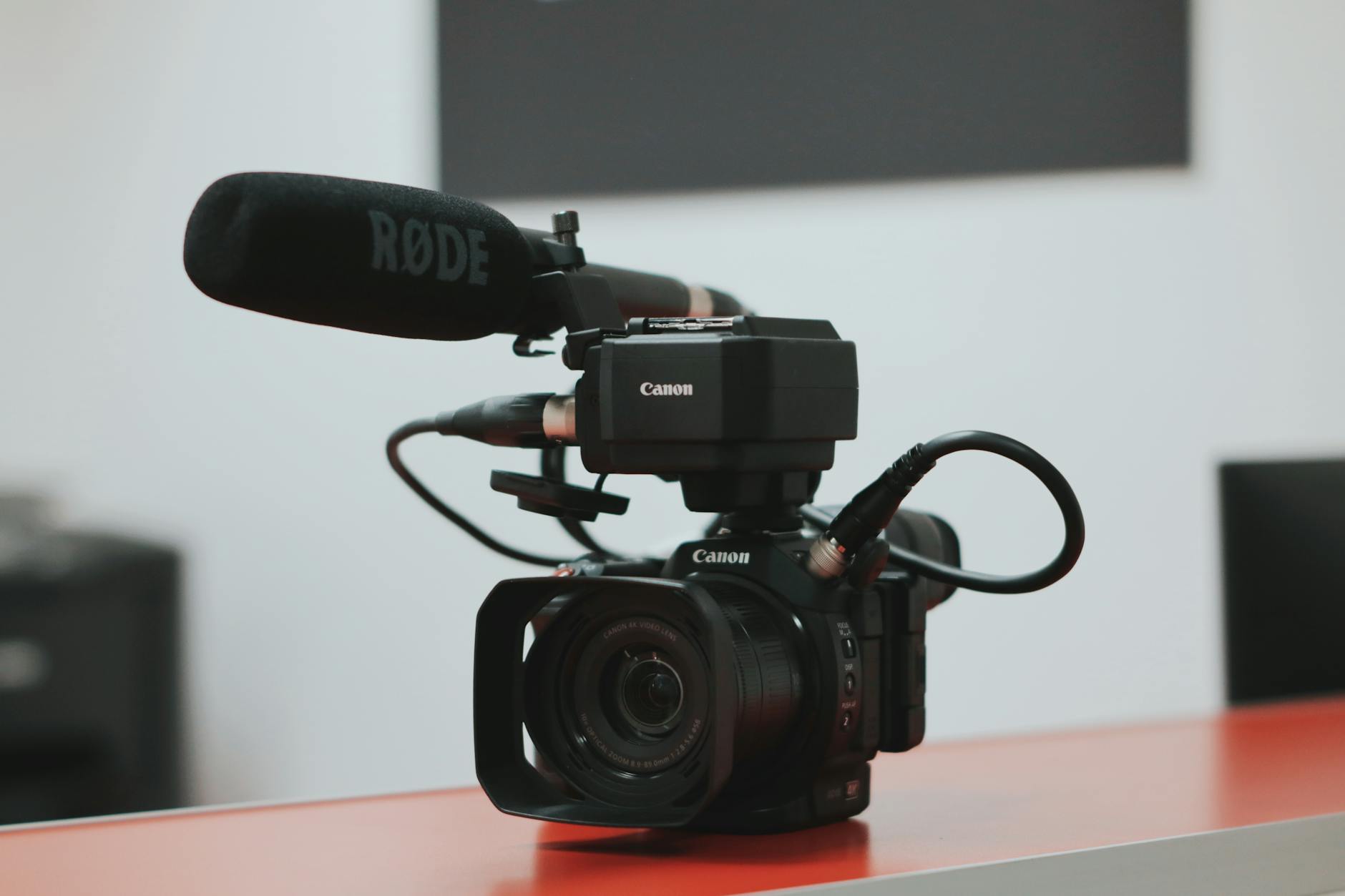
Technical Infrastructure and Requirements
Implementing a professional streaming setup in Miami necessitates a robust technical infrastructure tailored to specific production needs. Key hardware components include high-performance encoders capable of processing multiple video input sources simultaneously, servers optimized for live video delivery, and reliable networking equipment with sufficient bandwidth capacity. An optimized network setup involves dedicated internet connections, redundant pathways, and localized content delivery nodes to minimize latency and packet loss, particularly important when streaming to a national or international audience.
Content delivery via strategically placed CDNs ensures rapid content dissemination across regions, providing viewers with smooth, high-quality streams regardless of their location. Security measures, such as end-to-end encryption, multi-factor authentication, and secure token authentication, are vital to safeguarding intellectual property and preventing unauthorized access. Monitoring tools enable real-time diagnostics for troubleshooting, while scalability options—such as cloud-based resources—allow the system to grow with demand.
Physical hardware, including high-capacity storage solutions and backup power supplies, support continuous operation during live events. For ongoing and large-scale productions, modular hardware architectures facilitate easy upgrades for increased capacity or enhanced features, guaranteeing consistent performance under varying operational conditions. Integration with existing broadcast equipment, content management platforms, and audience interaction modules helps streamline entire workflows, fostering efficient and flexible production environments in Miami's dynamic event scene.

Definition and Role of a Professional Streaming Service
A professional streaming service is a comprehensive platform engineered to deliver high-quality live broadcasts and on-demand content to diverse audiences. Unlike consumer-grade streaming solutions, these services are built with robust infrastructure, advanced encoding technologies, and comprehensive management tools that ensure reliability, scalability, and security. They serve as essential partners for Miami production agencies aiming to broadcast events, conferences, concerts, or corporate communications with precision and professionalism.
At their core, professional streaming services act as a conduit between content creators and viewers, facilitating seamless transmission of audio-visual material over the internet. They encompass a range of functionalities including live encoding, multi-platform distribution, audience engagement tools, and detailed analytics. This integrated approach allows Miami-based production entities to not only stream content effectively but also to monitor viewer engagement, optimize delivery, and strengthen brand presence through high-quality streams.
Key Features and Capabilities
- High-Performance Encoding: Utilizes advanced codecs and hardware to maintain crisp video quality at low latency.
- Multi-Platform Compatibility: Supports streaming across various devices and platforms, including social media, web, and dedicated apps.
- Adaptive Bitrate Streaming: Dynamically adjusts quality based on viewer bandwidth to ensure smooth playback.
- Content Management and Customization: Facilitates branding, overlays, and interactive elements to enhance viewer experience.
- Security Measures: Implements encryption, access controls, and secure tokens to protect proprietary content.
- Real-Time Analytics: Provides detailed insights into viewer behavior, stream health, and engagement metrics.
- Scalability and Redundancy: Designed to handle large audiences and provide failover solutions to ensure uninterrupted streaming.

Benefits for Miami Production Agencies
Employing a professional streaming service allows Miami production agencies to elevate their broadcasting capabilities significantly. These platforms enable the delivery of consistent, high-definition content with minimal latency, which is crucial for live events where timing and audiovisual fidelity impact viewer experience. The integration of analytics tools helps content creators understand their audience better, tailoring future productions to viewer preferences and engagement patterns.
Furthermore, professional streaming services streamline operational workflows by automating encoding, distribution, and security procedures. This automation reduces reliance on multiple hardware components and simplifies troubleshooting, accelerating overall project timelines. For agencies aiming to expand their reach and reputation, the ability to broadcast to international audiences without compromise on quality or reliability is invaluable.
Another advantage lies in content monetization and licensing management; secure digital rights management (DRM) and access controls prevent unauthorized sharing or piracy, ensuring that Miami agencies maintain control over their intellectual property. Provision for interactive features, such as live chat and viewer polls, fosters real-time engagement, transforming passive viewers into active participants.
Technical Infrastructure and Requirements
Implementing a professional streaming operation in Miami requires a solid technical foundation. This includes high-capacity, high-speed internet connections with dedicated bandwidth to support live encoding and transmission. Redundant network pathways and localized Content Delivery Network (CDN) nodes are critical for minimizing latency, packet loss, and buffering, especially for larger audiences or international viewers.
Hardware components such as multi-channel encoders, high-capacity storage solutions, and reliable backup power supplies ensure continuous broadcast quality during live events. Software tools for stream management, security, and analytics should also be integrated within the infrastructure to facilitate seamless operation and monitoring.
To accommodate fluctuating demands, systems should be scalable, leveraging cloud-based resources or modular hardware architectures. This approach provides flexibility for short-term event surges or long-term content library growth, ensuring Miami production agencies can adapt swiftly to client needs.
Choosing the Right Streaming Platform
Selecting a suitable professional streaming platform involves evaluating various factors. Essential criteria include technical capabilities such as encoding quality, platform stability, and security features. Compatibility with existing production equipment and workflows is also vital to streamline integration. The platform’s ability to support multiple content formats and delivery endpoints broadens distribution options, increasing audience reach.
Cost-effectiveness, customer support, and ease of management are important considerations, especially for agencies managing diverse event types and sizes. A platform with a strong reputation for reliability and advanced analytics will provide added value for Miami production teams seeking to optimize streaming performance and audience engagement.
Technical Infrastructure and Requirements for Professional Streaming Services
Effective professional streaming for Miami production agencies hinges on a robust and scalable technical infrastructure. High-quality live broadcasts demand a combination of advanced hardware and sophisticated software tools designed to deliver seamless content to diverse audiences. Key hardware components include multi-channel encoders, which convert high-resolution video inputs into stream-ready formats, enabling multiple feeds to be processed concurrently. These encoders should support various codecs and resolution settings to optimize quality across different devices and network conditions.
Complementing encoders are high-capacity storage solutions capable of handling large volumes of raw and processed media. Storage systems must be scalable, facilitating easy expansion as content libraries grow and event volume increases. Reliable backup power supplies—such as uninterruptible power supplies (UPS)—are essential to mitigate disruptions during live streams, ensuring uninterrupted broadcast quality.
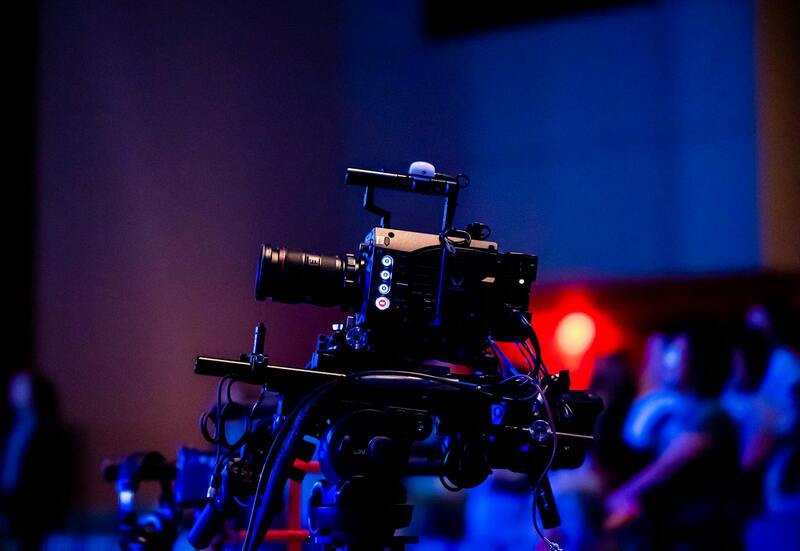
On the software side, integrated stream management platforms provide vital functionalities such as real-time monitoring, stream security, and analytics. These tools help production teams identify potential issues before they impact viewers, manage multiple streams efficiently, and gather data to inform future broadcast strategies. Additionally, content delivery networks (CDNs) play a critical role in distributing streams globally, reducing latency, and enhancing viewer experience.
To accommodate fluctuating demands, the infrastructure must be adaptable through cloud-based resources or modular hardware configurations. Cloud integration allows agencies to leverage scalable bandwidth and storage, minimizing costs during low-demand periods while providing immediate capacity during peak times. Modular hardware architectures facilitate rapid upgrades or replacements, supporting long-term operational flexibility.
Choosing the Right Streaming Platform
Identifying an appropriate professional streaming platform involves rigorous evaluation of technical features and compatibility with existing production workflows. Core capabilities should include high-quality encoding standards, platform stability, and comprehensive security measures to protect content integrity. Compatibility with current hardware components, such as cameras, switchers, and audio equipment, is essential to streamline the setup process and reduce transition times.
Support for multi-format streaming, adaptive bitrate delivery, and multiple endpoints facilitates versatile content distribution—extending reach to viewers on various devices, from desktops to mobile phones. Cost-efficiency, ease of interface management, and dedicated customer support are critical factors that influence long-term operational success. Moreover, platforms offering advanced analytics tools help agencies monitor viewership patterns, engagement metrics, and performance issues, enabling data-driven decisions.

Implementing a professional streaming solution with these attributes ensures consistent quality, security, and adaptability, all essential for Miami-based production agencies striving to meet diverse client needs. Careful platform selection rooted in these technical considerations can dramatically improve broadcast reliability, audience engagement, and overall project success.
Technical Infrastructure and Requirements
Establishing a reliable professional streaming service hinges on a robust technical infrastructure that supports high-quality, uninterrupted content delivery. This infrastructure encompasses high-bandwidth internet connections capable of handling large data streams without interruption, ensuring viewers experience consistent video quality regardless of their network conditions. Furthermore, data centers or cloud service providers must implement secure, scalable servers optimized for live streaming, capable of managing multiple concurrent streams and large viewer counts seamlessly.
Encoding hardware plays a pivotal role, with professional-grade encoders translating raw footage into optimized digital formats. These encoders support adaptive bitrate streaming, which dynamically adjusts resolution and bandwidth consumption based on viewer device capabilities and network quality, thus minimizing buffering and latency issues. Additionally, reliable content delivery networks (CDNs) distribute live streams efficiently across different geographical regions, reducing latency and enhancing viewer experience.
Complementing the hardware setup, a comprehensive network architecture includes firewalls, redundancy systems, and failover mechanisms to prevent stream interruptions caused by technical failures or cyber threats. Data encryption protocols and secure HTTPS endpoints protect content from unauthorized access during transmission, preserving the integrity and confidentiality of the broadcast.
Operationally, production agencies should invest in dedicated workflow management systems that facilitate seamless integration between capturing, encoding, processing, and streaming. These systems enable real-time monitoring, instant troubleshooting, and quality control, ensuring the entire process remains efficient and adaptable to changing production demands.
Choosing the Right Streaming Platform
Selecting a suitable professional streaming platform demands evaluation of several critical factors. The platform must support high-definition video delivery, offering scalable solutions that can adapt from small local events to large, multi-camera productions. Compatibility with existing equipment like cameras, audio mixers, and switchers simplifies deployment and minimizes setup time. Furthermore, the platform should provide robust security features, including content encryption, access controls, and user authentication, to safeguard against unauthorized broadcasts.
Ease of use is paramount; platforms with intuitive interfaces, streamlined controls, and efficient workflow integrations help reduce operational complexity. Key performance indicators such as uptime reliability, customer support responsiveness, and technical versatility influence platform selection, directly impacting the quality and consistency of live streams.
Finally, evaluating analytics and reporting capabilities provides insights into viewer engagement, stream performance metrics, and areas for operational improvements. A platform that offers comprehensive data analysis empowers production teams to refine content delivery strategies continually, enhancing overall viewer experience.