
Overview of Live Video Streaming Production
Live video streaming production has become a vital component for events, businesses, and organizations aiming to reach audiences in real-time with high engagement and professionalism. This process involves capturing live moments, processing the video signals, and distributing the content seamlessly over the internet to viewers across various locations. For Miami-based events, live streaming provides an opportunity to extend reach beyond physical boundaries, attract larger audiences, and enhance brand visibility.
Fundamentally, live video streaming production encompasses several key components that work together to deliver a polished, professional broadcast. These include high-quality video capture equipment such as cameras and microphones, robust internet connectivity to support uninterrupted streaming, encoding hardware or software to convert raw footage into streamable formats, and reliable streaming platforms that manage distribution to viewers in real-time. Each element plays a critical role in ensuring the broadcast maintains clarity, stability, and high-resolution quality.
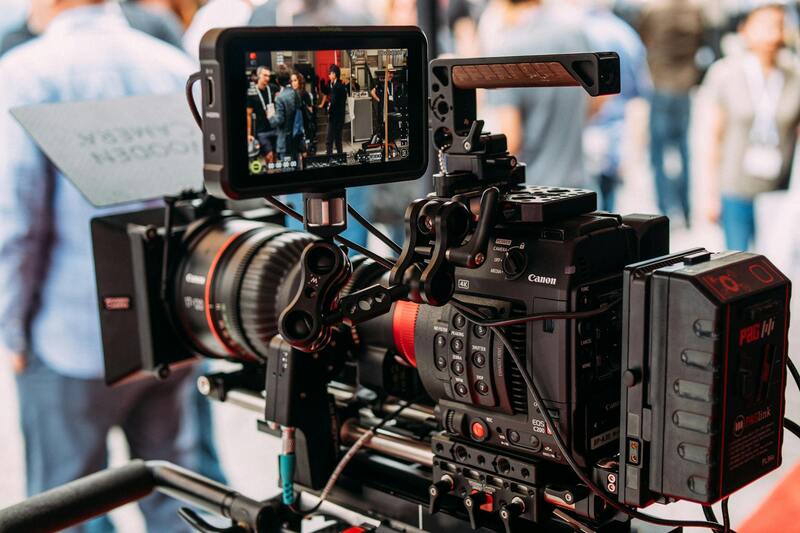
Effective live streaming production involves meticulous coordination among the technical team, event organizers, and content creators. From live concerts and corporate presentations to community events and educational seminars, the production process must adapt to the specific needs of each scenario. Ensuring smooth transitions, synchronized audio-visual feeds, and minimal latency are essential to deliver a seamless viewing experience.
As demand for high-quality live broadcasts grows in Miami's vibrant event scene, understanding the core components of live video streaming production becomes crucial. It extends beyond simple video capture, involving sophisticated technology and strategic planning to produce compelling live content that captivates audiences and aligns with organizational goals. With the right infrastructure and expertise, live streaming transforms traditional events into accessible, engaging experiences that resonate on a regional and global scale.
Equipment and Technology for Streaming
Successful live video streaming production depends heavily on the integration of advanced equipment and cutting-edge technology. A reliable setup begins with high-definition cameras capable of delivering crisp visuals, even in challenging lighting conditions, ensuring that the broadcast quality remains consistent throughout the event. These cameras should be complemented by professional-grade microphones that capture clear, distortion-free audio essential for viewer engagement.
To facilitate seamless switching between multiple camera feeds and audio sources, production teams utilize professional video switchers and audio mixers. Encoders, whether hardware or software-based, play a crucial role in converting raw footage into optimized streamable formats. They also enable adjustments in real-time, such as bitrate and resolution, tailored to the viewer’s internet connection speed and device capabilities.

Ensuring robust internet connectivity is paramount; multi-gigabit fiber lines are often employed to support high-bandwidth streams without interruption. Redundant internet connections, such as cellular backup or secondary broadband services, safeguard against connectivity failures. Additionally, real-time monitoring systems track stream health, encoding performance, and audience engagement metrics, allowing producers to make immediate adjustments.
Emerging technologies like cloud-based streaming solutions and adaptive bitrate streaming enable greater flexibility and scalability. These advancements facilitate streaming to diverse platforms simultaneously, expanding reach and improving viewer experience. Integrated streaming platforms offer user-friendly dashboards that assist in managing broadcast quality, stream distribution, and viewer analytics, all within a centralized interface.
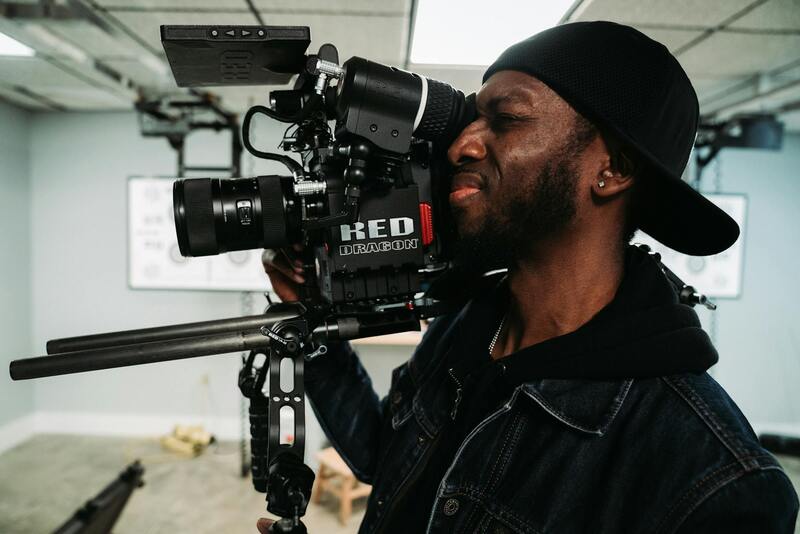
Furthermore, innovations in live multi-camera switching, graphic overlays, and real-time comment moderation enhance the production value and viewer interaction. With the continual evolution of live streaming tech, content creators and event organizers can craft engaging, professional broadcasts that meet the growing expectations of digital audiences.
Production Techniques and On-Site Setup
Effective live video streaming production requires meticulous planning of on-site setup to ensure seamless operation during the broadcast. This includes strategic placement of cameras to capture multiple angles and perspectives, thereby providing a dynamic viewing experience. Professional-grade camera systems should be equipped with high-definition lenses and stable mounts, and positioned to avoid obstructions and shadows. Utilizing robotic or remote-controlled cameras can enhance coverage without requiring extensive personnel, especially in complex or large-scale events.
Audio quality is equally critical; deploying directional microphones, wireless lavaliers, and audio mixers ensures clear sound capture and allows for real-time adjustments. Proper cable management and secure mounting prevent disruptions caused by equipment movement or accidental disconnections.
An essential aspect of on-site setup is the implementation of a reliable network infrastructure. This involves configuring dedicated Ethernet lines or Wi-Fi access points optimized for high bandwidth requirements. Site surveys help identify potential interference sources and optimize signal strength. In situations where internet bandwidth may be limited, load balancing via multiple connections or the deployment of signal repeaters can maintain stream stability.
Processing equipment such as switchers and video mixers facilitate live switching between different camera feeds, overlays, and graphics, injecting professionalism into the broadcast. Multi-camera control panels or software-based solutions enable smooth transitions and real-time adjustments, enhancing viewer engagement.
Figures of attention include managing lighting to ensure clarity and color accuracy; this may involve portable LED panels or floodlights suited to the environment. The physical setup also integrates sufficient power sources with backup solutions like uninterruptible power supplies (UPS) to prevent outages.
Equipment and Technology for Streaming
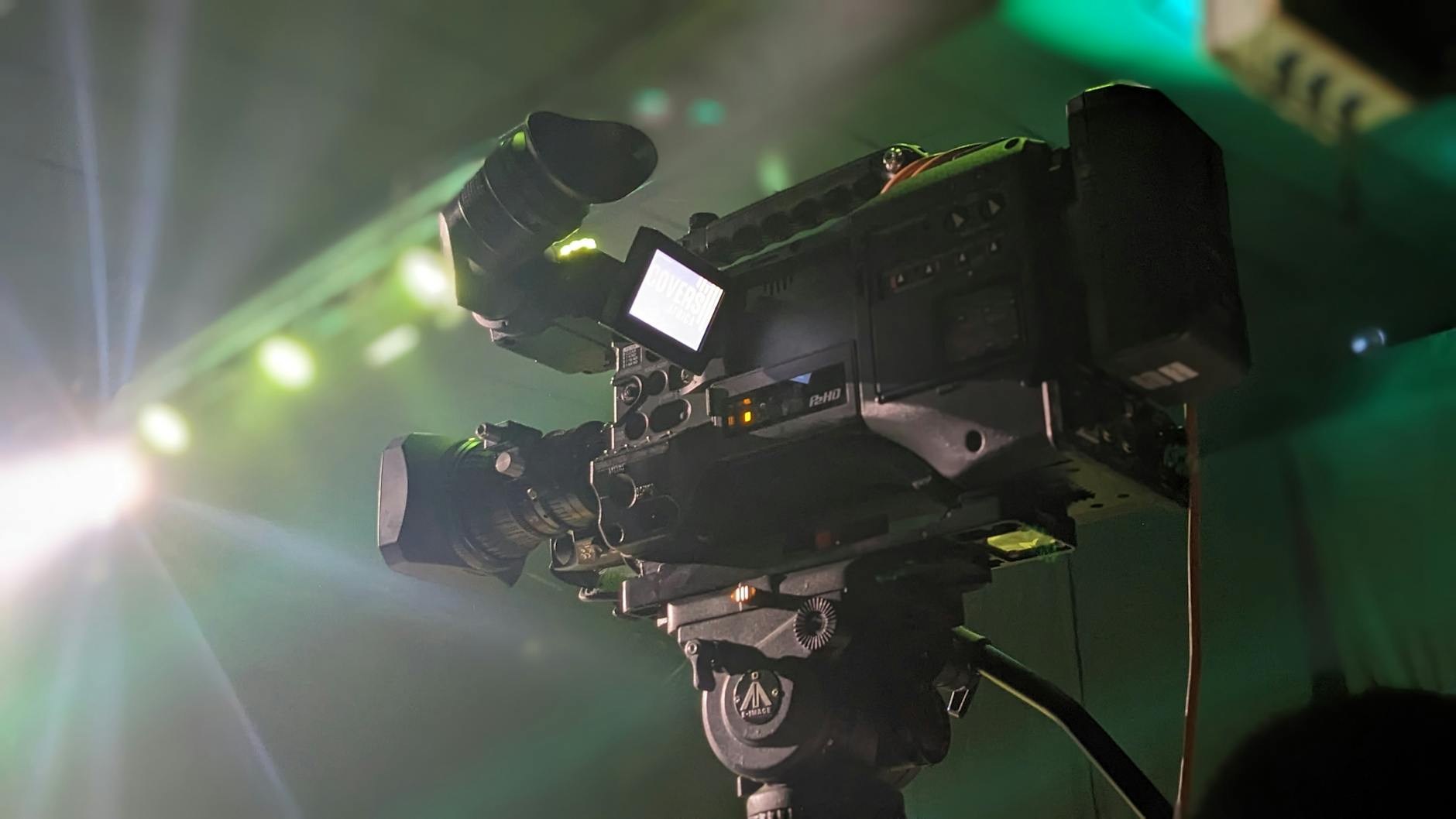
Ensuring the highest quality in live video streaming production necessitates the use of advanced equipment and reliable technology solutions. The core components include cameras, audio gear, encoders, switchers, and streaming hardware, each vital for delivering a seamless broadcast experience. High-definition (HD) and 4K cameras are essential for capturing sharp, professional visuals, with their selection often guided by the event environment and desired broadcast quality. Coupled with professional-grade audio equipment such as shotgun microphones, wireless lavaliers, and audio mixers, the clarity and fidelity of sound significantly enhance the viewer's experience.
The choice of encoding hardware or software plays a crucial role in converting raw video and audio signals into a streamable format. Hardware encoders, known for their stability and low latency, are preferred for high-stakes productions. They often feature multiple input options and support for adaptive bitrate streaming, which adjusts quality based on viewers' internet conditions. Software encoders provide more flexibility and are suitable for smaller-scale productions or when budget considerations are paramount.
Switchers and video mixers enable real-time scene transitions, overlay insertions, and graphics integration, which contribute to a professional presentation. Multiview processors offer operators multiple camera feeds simultaneously, facilitating quick decisions on shots and angles during live operation. Additionally, control panels—either hardware-based or software solutions—allow precise management of camera feeds, transitions, and effects, streamlining the production workflow.
To support the technical backbone of live streaming, robust networking hardware is indispensable. Managed switches, failover routers, and load balancers help distribute bandwidth efficiently, reducing the risk of stream interruptions. For environments where internet connectivity might be inconsistent, deploying multiple internet sources and employing bonding technology ensures continuous streaming without noticeable disruptions.
Physical setup considerations include lighting systems tailored to the venue’s requirements. Portable LED panels and diffused floodlights are adjustable options that uphold color accuracy and image clarity. Power reliability is equally critical; backup solutions such as uninterruptible power supplies (UPS) and generators safeguard against power failures that could compromise the broadcast. Proper grounding and surge protection further protect sensitive equipment from electrical issues.
Operational efficiency is achieved through meticulous preparation and testing. Conducting technical rehearsals before the event allows the team to identify potential issues and address them proactively. This involves verifying signal flow paths, testing audio levels, checking synchronization between video and audio feeds, and ensuring all hardware integrations function smoothly. Skilled technicians should oversee each stage of the setup to provide instant troubleshooting and support during the live event.
Incorporating remote control systems for camera operation and real-time monitoring capabilities enables off-site personnel to assist or take control if necessary, adding an extra layer of reliability to the production process. Moreover, integrating cloud-based management tools facilitates coordination among team members, especially when multiple locations or complex setups are involved.
Monitoring, Troubleshooting, and Quality Control
Effective live video streaming production demands vigilant monitoring and prompt troubleshooting to ensure a seamless broadcast. Dedicated control rooms equipped with multiple screens and monitoring software offer real-time insights into the streaming process, displaying vital metrics such as bit rate, latency, and feed integrity. This continuous oversight allows for immediate identification of issues, whether they stem from bandwidth fluctuations, hardware malfunctions, or signal interruptions.
Implementing redundancy measures is vital for maintaining the quality and reliability of the stream. Backup internet connections, such as secondary high-speed links, enable the team to swiftly switch in case of primary connection failures. Similarly, dual hardware setups for encoders and streaming servers prevent single points of failure, ensuring uninterrupted transmission even during hardware malfunctions. These strategies are particularly essential when broadcasting high-stakes events where viewer experience is paramount.
Quality control procedures encompass both pre-event verifications and on-the-fly adjustments. Prior to the broadcast, comprehensive tests of audio levels, video framing, and synchronization are conducted to establish baseline standards. During the event, technical staff continuously monitor all feeds, ready to make rapid corrections. Adjustments might include compensating for lag, correcting color imbalances, or managing audio levels that drift out of the desired range.

Furthermore, leveraging analytics tools integrated into streaming platforms enables a deeper understanding of audience engagement and technical performance. Metrics such as viewer retention, geographical distribution, and device usage inform strategies for future productions, enhancing overall viewer satisfaction and operational efficiency.
For live events with critical viewing requirements, deploying remote troubleshooting solutions can significantly reduce downtime. Remote access to encoders, servers, or streaming hardware allows technicians to diagnose and resolve issues from off-site locations. This capability is particularly advantageous when on-site resources are limited or when multiple streams are being managed across various venues.
Ensuring Secure and Reliable Streaming Transmission
One of the fundamental aspects of successful live video streaming production is guaranteeing a stable and secure transmission pathway. This involves implementing robust encoding methods and network configurations that minimize interference and packet loss, ensuring the viewer experiences no buffering or interruptions. High-quality encoders and dedicated internet connections are essential for maintaining stream integrity, especially during high-demand events.
Employing Content Delivery Networks (CDNs) is a standard practice to distribute streaming content efficiently across multiple regions. CDNs act as intermediaries that cache streams closer to viewers, reducing latency and load on the primary servers. This not only improves stream reliability but also enhances the overall viewer experience.
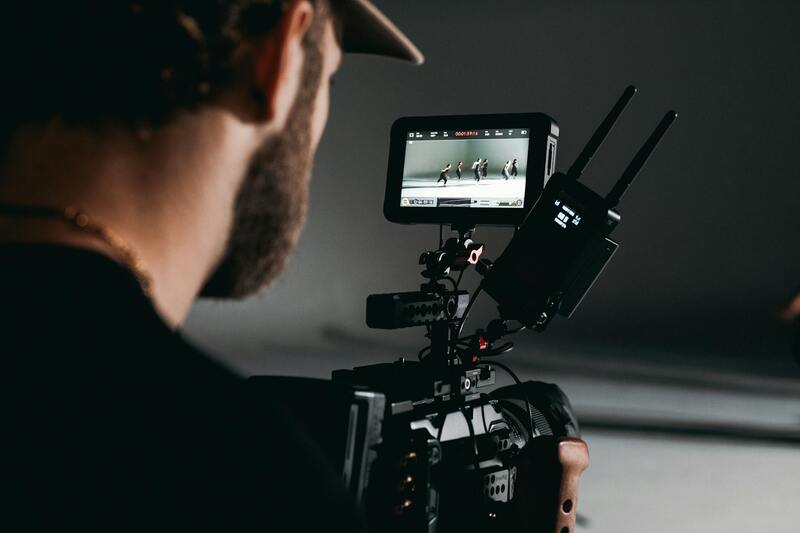
To further uphold stream continuity, redundant streaming paths are often established. This might include backup internet connections or alternative server routes, which can automatically take over if the primary pathway encounters issues. Additionally, deploying firewall and intrusion prevention systems helps to safeguard streams from cyber threats that could cause disruptions.
Implementing Effective Content Security Measures
Protection of streaming content is vital to prevent unauthorized access and distribution. Encryption protocols such as Secure Real-Time Transport Protocol (SRTP) or Digital Rights Management (DRM) solutions are fundamental for safeguarding feeds, especially for paid or sensitive broadcasts.
Authentication processes, including token-based access controls and geo-restrictions, manage who can connect to the stream. These controls are crucial for maintaining control over the distribution and ensuring only authorized viewers access the content.
Maintaining Compliance and Technical Standards
Compliance with technical standards and industry best practices is essential in live video production. Regular calibration of equipment, adherence to broadcast standards, and thorough testing before an event ensure that technical parameters such as resolution, frame rate, and audio quality meet expected benchmarks.
The integration of monitoring tools that track these parameters in real-time allows operators to quickly identify deviations and correct them proactively. Moreover, keeping detailed logs and reports can facilitate post-event reviews and continuous improvements.
Conclusion
Staying ahead in live video streaming production involves meticulous planning, the deployment of advanced technology, and rigorous security measures. Implementing these techniques guarantees a seamless broadcast experience for viewers while protecting content and maintaining professional quality standards. Consistently refining infrastructure and adopting new advancements in streaming technology are key to delivering successful live events.
Monitoring, Troubleshooting, and Quality Control
Effective oversight throughout the live video streaming process is essential to ensure that viewers experience a stable and high-quality broadcast. This involves continuous monitoring of multiple streams of data, including video and audio feeds, network performance, and streaming platform metrics. Implementing comprehensive monitoring systems enables operators to proactively identify potential issues such as latency spikes, dropped frames, or audio disruptions before they impact the audience.
Real-time analytics tools are vital in providing immediate feedback on the health of the transmission. These tools display crucial parameters like bit rate variations, buffering events, and connection stability across different viewer locations. By analyzing this data, technical teams can swiftly respond to anomalies, whether that entails adjusting encoding settings, switching to backup feeds, or troubleshooting connectivity problems on-site.
On-site troubleshooting strategies should encompass the availability of redundancy systems, such as backup internet connections, additional streaming hardware, and power supplies. These redundancies serve as fallbacks in case of primary system failures, reducing downtime and ensuring continuous broadcast delivery. Moreover, maintaining a well-stocked set of spare parts and tools allows quick repairs, minimizing disruptions during live events.
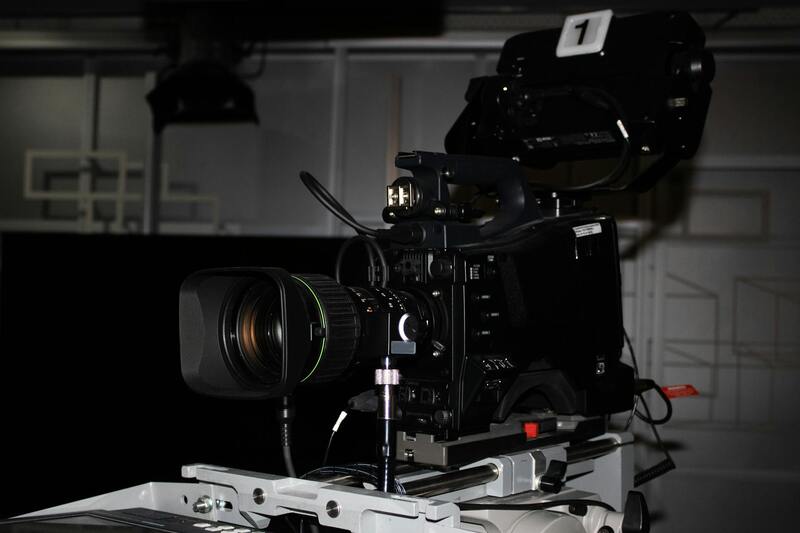
Implementing a systematic approach to quality control involves predefined checklists and protocols for pre-event testing and in-event adjustments. This includes verifying all equipment configurations, ensuring synchronization between audio and video feeds, and confirming that encoding parameters are optimized for the chosen platform. Regular rehearsal runs and dry tests can reveal potential issues beforehand, enabling corrective actions prior to the live broadcast.
Post-event, detailed logs generated from monitoring tools serve as invaluable resources for reviewing performance metrics and identifying areas for improvement. This data-driven approach supports iterative enhancements in streaming workflows, contributing to more reliable and professional live productions in future events.
Post-Production and Content Repurposing in Live Video Streaming
After the live broadcast concludes, the focus shifts toward post-production activities that enhance the value of the captured content. Detailed editing processes enable the extraction of high-quality highlight reels, promotional snippets, and educational segments that can be repurposed across various digital channels. Utilizing professional editing software ensures that audio levels, color grading, and visual effects meet broadcast standards, elevating the final product to maintain audience engagement and reinforce branding efforts.
Archiving the raw footage and finalized streams provides a repository for future use, whether for promotional campaigns, training materials, or additional marketing initiatives. Properly tagged and organized digital assets facilitate quick retrieval and ensure consistent branding across all content efforts.

Leveraging the content from live streams extends beyond traditional broadcasts. Embedding clips into social media posts, newsletters, and website media galleries increases audience reach and engagement. Strategic distribution of these materials helps to maximize the return on investment (ROI) for every live event, allowing event organizers and content creators to connect with a broader audience over an extended period.
Additionally, analyzing viewership data and engagement metrics collected during the live event provides insights that inform future production strategies. Understanding viewer behavior, peak engagement periods, and preferred content types enables production teams to tailor future broadcasts for greater impact and relevance.
Advanced analytics tools integrated with streaming platforms play a critical role in capturing detailed performance insights. These reports include data on stream stability, viewer demographics, completion rates, and interaction levels. The gathered information supports data-driven decisions that refine production workflows, improve content quality, and enhance viewer satisfaction in subsequent events.

Furthermore, segmenting and categorizing content based on themes or event components facilitates targeted marketing campaigns and content distribution strategies. Customized snippets can be tailored for specific audiences, platforms, or marketing objectives, ensuring that the content remains relevant and compelling. This modular approach to content management maximizes audience retention and engagement across diverse digital environments.
Finally, ongoing training and knowledge-sharing within the production team are vital for staying abreast of evolving post-production techniques and digital marketing trends. Investing in professional development ensures that teams can leverage new editing tools, analytics platforms, and content distribution methods, ultimately elevating the overall quality and effectiveness of live streaming operations.