
Understanding Video Streaming Production
Video streaming production involves the comprehensive process of creating, managing, and broadcasting live or on-demand video content for online audiences. It encompasses a range of activities from conceptualization, filming, editing, and transmission to viewers via internet-based platforms. As digital consumption continues to surge, the significance of professionally produced streaming content has become indispensable for Miami-based content creators and businesses seeking to engage audiences effectively and foster brand growth.
This production process requires meticulous planning and execution, ensuring audiovisual quality, seamless delivery, and audience interaction. Miami, with its vibrant media scene and diverse content demand, serves as an ideal hub for high-quality video streaming initiatives. Whether for corporate webinars, live concerts, sports events, or local festival coverage, mastering video streaming production unlocks new opportunities for community engagement, marketing, and revenue generation.
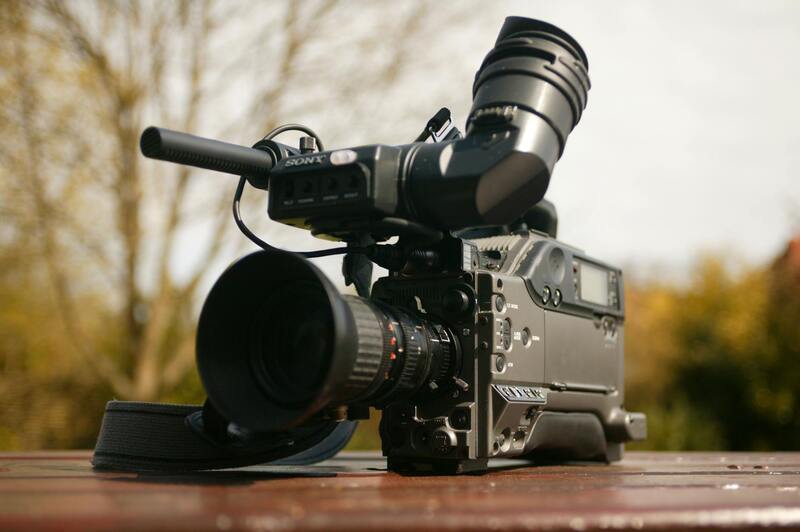
In the context of Miami’s thriving entertainment and business sectors, utilizing efficient video streaming production methods ensures that content reaches viewers with clarity and immediacy. As technology evolves, the importance of embracing current standards and techniques in streaming production becomes essential for maintaining competitive edge and delivering compelling viewer experiences. From live broadcasts of city events to branded content for local enterprises, understanding and implementing robust streaming practices directly contribute to the success of digital initiatives in the Miami region.
Effective video streaming production prioritizes not only technical excellence but also audience engagement and content relevance. It involves aligning production values with viewer expectations and platform specifications, which can significantly influence content visibility and interaction rates. Additionally, as Miami continues to grow as a digital media hub, mastering these production fundamentals supports local creators and businesses in amplifying their message across diverse online channels.

By understanding the core principles of video streaming production, professionals and organizations can develop strategies that maximize quality and viewer satisfaction. This includes cultivating skills in technical setup, content storytelling, and audience analytics, all of which are vital for sustained success in the dynamic digital landscape.
Understanding Video Streaming Production
Achieving top-tier video streaming production involves a strategic approach that encompasses careful planning, selection of appropriate equipment, and adherence to best practices that optimize the viewer experience. The foundation begins with understanding the core components that ensure the seamless delivery of content, from the technical setup to content delivery networks. Ensuring high-resolution video quality, minimal latency, and synchronized audio are fundamental to maintaining audience engagement and delivering professional-grade streams.
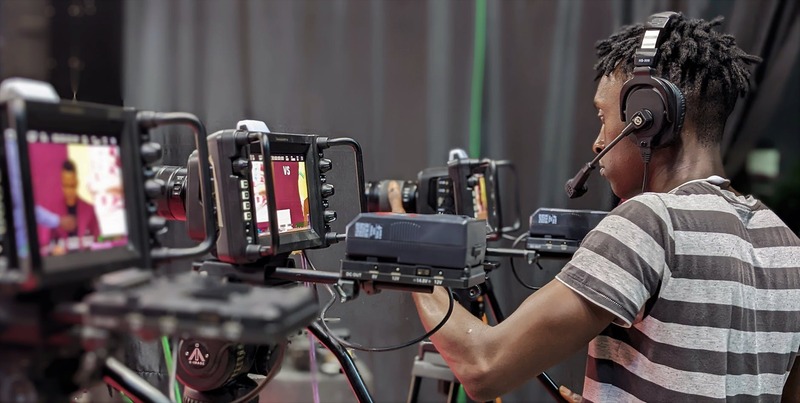
In the context of Miami’s vibrant digital media environment, aligning production techniques with industry standards allows local content creators and enterprises to expand their reach effectively. It involves mastering the use of specialized hardware and software tools, which are essential for producing reliable live streams that meet the expectations of modern viewers. The integration of adaptive streaming technologies also plays a critical role in optimizing content delivery across various devices and internet bandwidths, thereby enhancing overall accessibility and viewer retention.
Core Components of a Robust Streaming Workflow
- High-Quality Cameras: Capture clear, detailed video footage suitable for various content types and environments.
- Encoding Devices: Convert raw footage into streamable formats with minimal latency, ensuring compatibility across streaming platforms.
- Streaming Platforms and CDNs: Utilize reliable content delivery networks that distribute content efficiently to large audiences without buffering issues.
- Audio Equipment: Deploy professional-grade microphones and audio mixers to ensure pristine sound quality that complements the video.
- Networking Solutions: Use dedicated, high-speed internet connections with backup options to prevent disruptions during live broadcasts.
The employment of these components in harmony with a detailed production plan allows Miami-based broadcasters and content providers to execute professional streams that align with commercial or creative goals. This comprehensive approach ensures the production process remains smooth from start to finish, providing audiences with a consistently engaging experience.
Adapting to Technological Advances
As the landscape of video streaming continues to evolve, staying informed about emerging technologies such as 4K broadcasting, virtual sets, and real-time analytics is essential for maintaining cutting-edge production standards. Incorporating these innovations into existing workflows can result in higher quality streams and more precise audience targeting metrics. The strategic integration of newer codecs like HEVC or AV1 can help decrease bandwidth demands while preserving visual fidelity, which is particularly advantageous in areas with varying internet speeds.
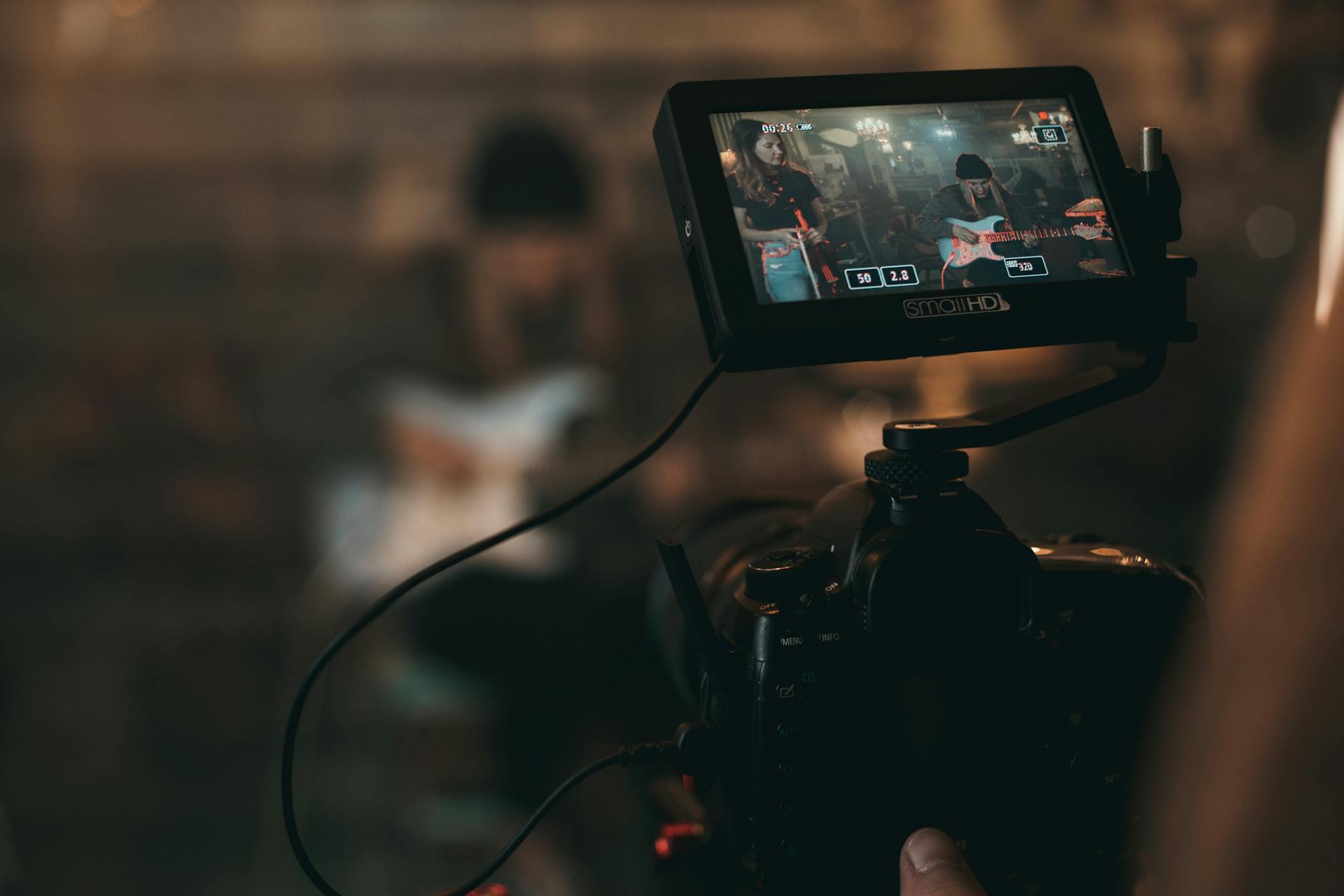
Ultimately, the goal centers on creating a flexible and scalable production system. This setup should accommodate growth, adapt to different content types, and remain compliant with evolving industry standards. For Miami's digital media professionals, leveraging these advancements allows for broader reach, improved engagement metrics, and greater overall success in their streaming endeavors.
Production Setup and Execution
Implementing an effective production setup is critical to delivering seamless live video streams. It involves meticulous planning of camera placements, lighting configurations, and audio setups to ensure that visual and auditory quality meet professional standards. The choice of encoding hardware and streaming platforms also plays a vital role in achieving a reliable broadcast. These elements must be synchronized carefully, often requiring dedicated technical personnel to manage real-time operations, monitor feed quality, and coordinate transitions between different segments of the stream.
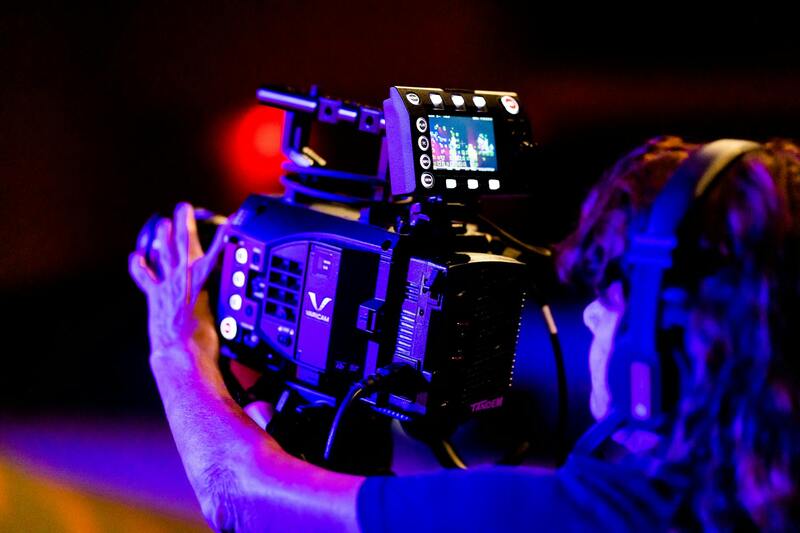
During the execution phase, diligent monitoring of all technical parameters is necessary to preempt and resolve potential issues swiftly. This includes checking internet bandwidth stability, verifying audio and video synchronization, and managing on-the-fly adjustments to camera angles or graphic overlays. Effective communication among technical staff ensures smooth transitions and minimizes disruptions, maintaining a professional presentation targeted at engaging viewers throughout the broadcast.
Technical Considerations and Troubleshooting
- Internet Connectivity: Ensuring a dedicated, high-bandwidth connection prevents buffering and dropout. Redundancy options, such as secondary internet links, can safeguard against connectivity failures.
- Hardware Reliability: Maintaining and testing all equipment, including cameras, switchers, and encoders, before the event reduces the risk of failures during live production.
- Audio Quality: Proper microphone placement, sound checks, and background noise management are essential to deliver clear audio that complements the visuals.
- Video Quality: Adjusting encoding settings and resolution parameters based on real-time feedback helps maintain a consistent image quality, particularly under varying internet conditions.
- On-the-Spot Troubleshooting: Assigning technical staff to address issues like frame delays, pixelation, or audio-video desynchronization enables swift resolution and minimizes viewer impact.
Incorporating a comprehensive troubleshooting plan into the production workflow ensures that unforeseen technical challenges are managed effectively, preserving the professionalism of the broadcast.
Post-Production and Content Repurposing
After the live event concludes, editing and repurposing content can extend its value and reach. High-resolution recordings can be segmented into shorter clips suitable for social media, promotional materials, or educational uses. Transcriptions, highlights, and behind-the-scenes footage add depth to the original content, engaging audiences across various platforms. Properly archiving the raw footage and edited versions facilitates easy retrieval for future use or analysis. This process not only maximizes the return on investment in production resources but also enhances ongoing audience engagement and brand visibility.
Technical Considerations and Troubleshooting
Ensuring a seamless video streaming experience requires meticulous attention to technical details during the live production phase. One of the most critical considerations is bandwidth management. By actively monitoring internet speeds and adjusting streaming bitrates accordingly, production teams can prevent severe buffering or resolution drops. Utilizing dedicated internet connections, separate from general network traffic, reduces latency and interference,Fortifying the stability of the stream.
Another vital aspect involves the deployment of reliable hardware and software solutions. Modern streaming setups may incorporate multiple cameras, professional switchers, and high-quality encoders to capture and transmit content efficiently. Regular calibration of equipment ensures optimal performance. When technical glitches occur, such as dropped frames, audio distortions, or synchronization issues, quick identification and resolution are essential.

Implementing backup plans, such as redundant encoders or secondary internet connections, provides fail-safes in case of primary system failures. Similarly, routine checks of all devices prior to the event can catch potential issues early. Response protocols should be established, assigning specific personnel to handle unexpected problems swiftly, thus minimizing disruption.
Audio and video calibration are ongoing tasks during live streams. Employing real-time monitoring tools helps identify anomalies immediately. For instance, if pixelation or audio lag occurs, technicians can fine-tune settings remotely or switch to pre-configured backup systems. In addition, a dedicated troubleshooting team familiar with the entire production infrastructure ensures swift diagnosis and problem resolution.
Post-Production and Content Repurposing
Following a successful live broadcast, the focus shifts to post-production activities that maximize content value. High-resolution recordings enable detailed editing, allowing for the creation of highlight reels, promotional clips, or educational modules. Segmentation into short, engaging segments facilitates sharing on various social media platforms, expanding reach.
Transcriptions of live events can serve multiple purposes, such as captioning for accessibility or SEO content for web pages. Highlight reels that showcase key moments enhance viewer engagement and provide memorable summaries for audiences who may have missed the live event.
Behind-the-scenes footage or interviews with key participants offer additional content angles that deepen audience connection. This supplementary material can be used in follow-up campaigns or as part of ongoing brand storytelling. Proper archiving of raw footage and edited content ensures easy access for future use or analytics, enabling production teams to review performance metrics and identify areas for improvement.

Understanding Video Streaming Production
Achieving high-quality live broadcasts relies heavily on meticulous planning, the right technological integration, and seamless execution. Video streaming production encompasses a comprehensive process that involves pre-event preparation, live operation, and post-event content management. This field requires a combination of cutting-edge equipment, strategic planning, and technical expertise to deliver engaging content that meets the expectations of viewers across various platforms.
Key Equipment and Technology
The backbone of professional video streaming production is built on reliable equipment designed for high performance and adaptability. Essential components include professional-grade cameras capable of capturing high-definition footage, often in 4K resolution to ensure crystal-clear visuals. Video switchers enable real-time playback management, allowing producers to seamlessly transition between different camera angles and sources.
A robust audio system complements video hardware, featuring high-quality microphones, audio mixers, and wireless transmitters to ensure clear sound. Visual encoding hardware or software converts raw footage into streaming format, optimized for various platforms and bandwidth conditions. High-capacity streaming servers or CDNs (Content Delivery Networks) distribute content efficiently to multiple viewers simultaneously, minimizing latency and buffering.
Moreover, auxiliary technologies such as multi-view monitors, teleprompters, and real-time graphics generators enrich the production quality and viewer experience. Using multi-platform streaming solutions allows simultaneous broadcasting to social media, websites, and dedicated apps, broadening audience reach.
Planning and Pre-Production Strategies
Thorough planning forms the foundation of a successful streaming event. This involves mapping out the content flow, defining roles for the production team, and establishing technical checkpoints. A detailed storyboard or shot list ensures all participants understand the visual narrative, while a comprehensive run sheet helps maintain timing and organization.
Pre-production activities also include testing all equipment and network connections well in advance. Setting up backup systems, like secondary internet connections and redundant hardware, minimizes the risk of interruptions. Content rehearsals, including dry runs with all equipment and key personnel, enable the team to identify potential issues and refine their coordination.
Creating a scalable infrastructure tailored to the event scale helps balance quality with available resources, ensuring smooth operation regardless of the complexity or size of the production.
Production Setup and Execution
Setting up for live streaming begins with physical arrangement and calibration of all equipment. Cameras are positioned based on the planned shots, ensuring coverage of all critical angles. Audio feed lines are tested, and sound checks are performed to verify clarity and levels. The control room, where the switcher, graphics, and streaming hardware reside, is configured and double-checked.
During execution, real-time monitoring of video and audio feeds is critical. Production staff and technical operators work collaboratively, switching cameras, inserting graphics, and managing transitions seamlessly. A dedicated director oversees the entire operation, making real-time decisions to adapt to live circumstances, such as adjusting camera angles or responding to unforeseen technical issues.
Network stability remains paramount; continuous bandwidth monitoring ensures consistent stream quality. If disruptions are detected, technicians can switch to predetermined backup streams or lower resolutions temporarily to prevent viewer disruption. Using remote management tools allows the technical team to troubleshoot or adjust settings from off-site locations, enhancing responsiveness.
Rapid troubleshooting and the ability to implement contingency plans are essential to maintain a professional broadcast. Implementation of automated alerts for equipment malfunctions further enhances reliability, enabling swift action before minor issues escalate into significant disruptions.
Understanding Video Streaming Production
Video streaming production involves a complex integration of planning, equipment setup, live execution, and post-production processes. Ensuring a seamless experience requires meticulous attention to detail, a robust technological infrastructure, and a team of skilled professionals. Every element—from lighting and camera angles to audio management—must be strategically coordinated to produce high-quality broadcasts that engage viewers and fulfill client objectives.
Technical Aspects of Video Streaming Production
At its core, video streaming production relies on a sophisticated network of hardware and software tools designed to capture, encode, transmit, and display live content. Hardware components such as professional cameras, audio mixers, and video switchers work in tandem with streaming platforms to deliver real-time content to a global audience. Advances in compression algorithms and streaming protocols have optimized the delivery process, reducing latency and buffering issues, thereby enhancing overall viewer experience.
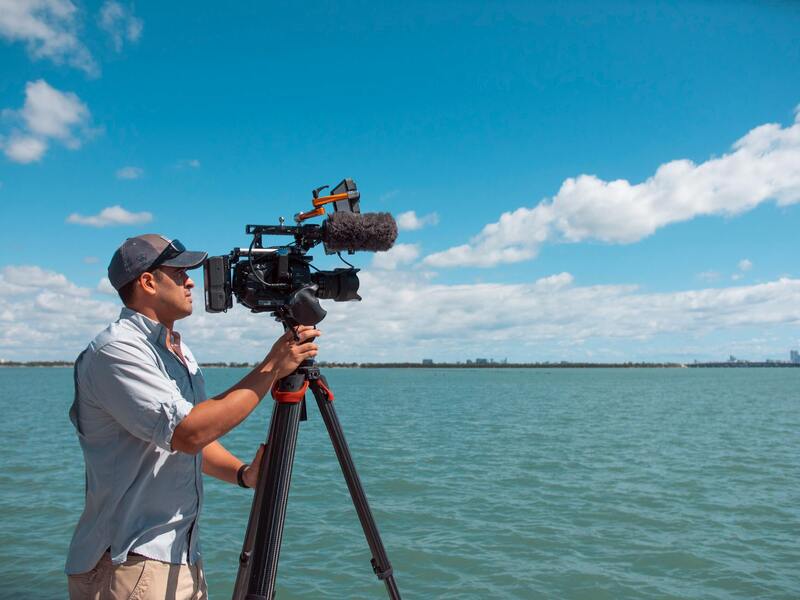
Synchronization between various equipment is critical. Encoders convert video signals into digital formats suitable for internet transmission, while dedicated servers manage live data streams, ensuring minimal delay and seamless playback. High bandwidth connections are essential to support high-resolution streams, often requiring multiple gigabit internet lines, load balancing techniques, and redundant backup systems designed to maintain uninterrupted service in case of network disruptions.
Content Delivery Networks and Streaming Protocols
- Content Delivery Networks (CDNs): These networks distribute streaming data across geographically dispersed servers, reducing latency and ensuring fast, reliable delivery worldwide.
- Streaming Protocols: Protocols like HLS (HTTP Live Streaming) and MPEG-DASH enable adaptive bitrate streaming, automatically adjusting video quality based on viewer bandwidth and device capabilities.
Secure transmission is also vital. Implementing encryption protocols such as HTTPS and DRM technologies protect content from unauthorized access, especially during high-profile or proprietary broadcasts. These measures uphold the integrity and confidentiality of streamed content, fostering viewer trust and compliance with distribution rights.
Planning and Pre-Production Strategies
Successful live streaming production begins long before the cameras roll. A comprehensive planning phase includes defining objectives, identifying target audiences, and establishing technical requirements. Detailed storyboards and shot lists guide camera operators and graphic designers, ensuring coverage aligns with content goals and branding guidelines.
Pre-production tasks also involve coordinating with speakers, performers, or presenters to synchronize schedules and establish clear communication channels. Technical rehearsals play a vital role in testing all equipment, verifying internet connections, and troubleshooting potential issues. These rehearsals facilitate smooth on-air execution and help identify areas where visual and audio quality can be optimized.
Audio and Lighting Considerations
Clear audio capture is fundamental; choosing high-quality microphones and sound mixers mitigates background noise and ensures speech intelligibility. Proper audio balancing and mixing during pre-production guarantee a consistent sound environment. Lighting setups, adjusted to suit indoor or outdoor venues, enhance visual clarity and focus, ensuring subjects are well-lit and free from shadows or glare.
Production Setup and Execution
The physical setup involves strategic placement of cameras, microphones, and lighting equipment. Multiple camera angles provide dynamic perspectives, while robotic or remote-controlled cameras can add efficiency and flexibility. A dedicated control room serves as the hub for monitoring feeds, switching between camera angles, and inserting graphics or commercials in real-time.
During live execution, team coordination is paramount. The director orchestrates camera switches, graphics insertion, and timing cues, with technical operators executing precise commands. Continuous monitoring of stream quality allows technicians to quickly identify and resolve issues, such as dropped frames or audio inconsistencies. Backup systems and redundant internet connections provide additional stability, ensuring uninterrupted delivery even under unforeseen circumstances.
Operational efficiency hinges on clear communication protocols among team members, robust hardware performance, and immediate response strategies to troubleshooting alerts. Skilled professionals manage the entire workflow, from initial setup to final broadcast, ensuring the stream adheres to production standards and viewer expectations are met consistently.
Understanding Video Streaming Production
Effective video streaming production demands a comprehensive approach that integrates cutting-edge equipment, meticulous planning, and seamless execution. With the increasing sophistication of live broadcasting requirements, producers must leverage advanced technology to deliver high-quality content that captures audience attention and ensures smooth delivery. Central to this process is a thorough understanding of how technical components work together to create an engaging viewer experience.
Importance of Professional Equipment
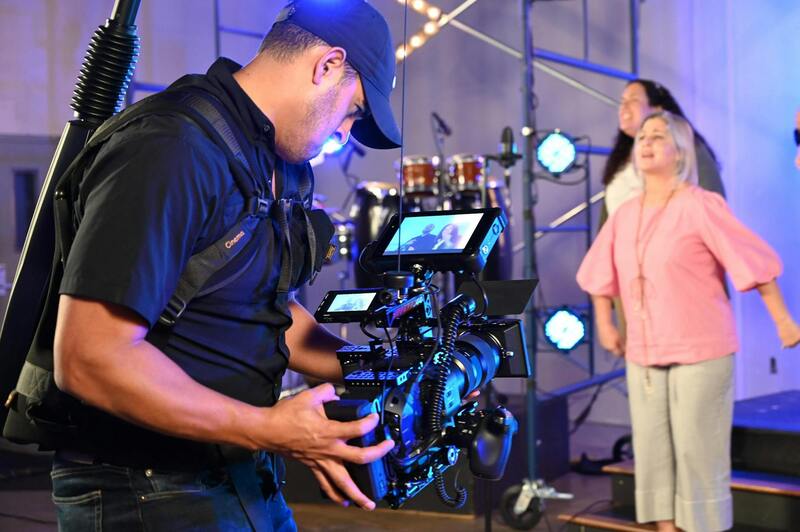
The backbone of a successful video streaming event lies in the use of professional-grade equipment. High-definition cameras with interchangeable lenses enable broadcasters to capture detailed visuals from multiple perspectives. These are often supported by robotic or remotely controlled camera systems, enhancing flexibility during live shoots. Complementing the video hardware are professional-grade microphones and audio mixers, crucial for transmitting clear, crisp sound that matches the high visual quality.
Advanced Technology Integration
Modern streaming relies heavily on robust hardware and software platforms. Hardware encoders compress raw video streams for transmission, ensuring minimal latency and optimal quality across various internet connection speeds. Software applications facilitate real-time switching between camera feeds, graphic overlays, and moderation of viewer interactions. Cloud-based solutions are increasingly popular for their scalability, enabling producers to broadcast on multiple channels simultaneously without compromising quality.
Transitioning between different transmission methods, such as satellite feeds, fiber optics, or cellular networks, requires technical expertise to maintain consistent stream stability. Redundant systems—dual internet connections, backup power supplies, and fail-safe hardware—are essential for uninterrupted production, especially during critical live events.
Security and Data Management
Protecting the content and making sure it reaches audiences securely is a vital aspect of professional production. Encryption protocols safeguard live feeds against unauthorized access, while secure login procedures restrict equipment control to authorized personnel. Proper data management, including observer analytics and content archiving, supports better planning and content reuse in subsequent productions.
Conclusion
A proficient video streaming production setup combines top-tier equipment, integrated technology solutions, and meticulous planning to produce engaging and reliable live content. Investing in quality gear and staying updated on technological innovations helps content creators and producers meet evolving viewer expectations, ensuring a compelling and smooth broadcasting experience every time.
Understanding Video Streaming Production
Effective video streaming production is the cornerstone of delivering high-quality live content that engages viewers and maintains broadcast reliability. It encompasses a comprehensive process starting from detailed planning, precise equipment setup, to sophisticated post-production techniques. A thorough understanding of these elements ensures seamless transmission and optimal viewer experience. This also involves diligent management of technical workflows, content scheduling, and real-time monitoring, which collectively contribute to the success of any live streaming project.
Key Equipment and Technology
To facilitate professional-grade video streaming, a range of high-performance equipment and advanced technology solutions are employed. These include high-definition cameras capable of capturing crisp images under diverse lighting conditions, and broadcast grade switching consoles that enable dynamic scene transitions. Video encoders play a vital role in compressing and transmitting footage efficiently, ensuring minimal latency and consistent quality across multiple platforms. Additionally, audio mixers, microphones, and sound processors enhance audio clarity, complementing the visual content.
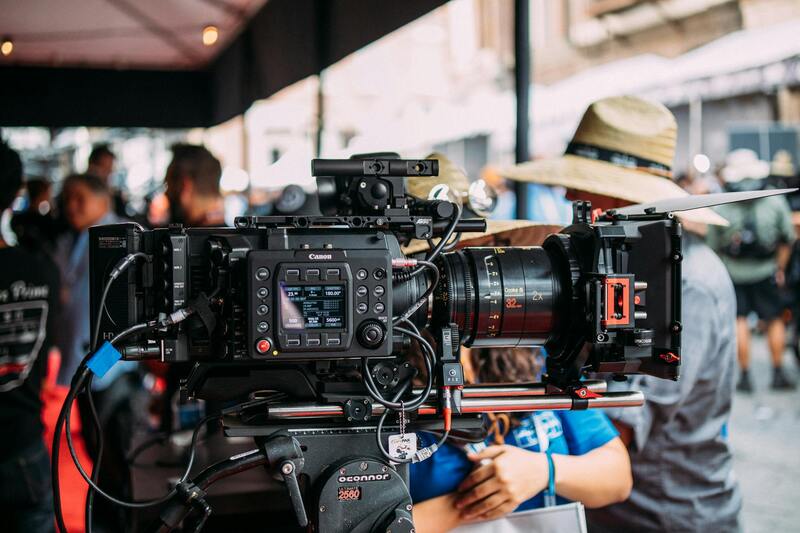
Networking infrastructure is equally critical. Reliable internet connections, often using fiber optic or dedicated broadband services, provide the bandwidth necessary for high-bitrate streams. Implementing SDI or HDMI distribution systems enables signal routing between equipment units effortlessly. For large-scale productions, multi-view monitors and control interfaces allow operators to oversee various camera angles and outputs simultaneously, ensuring a cohesive production flow.
Planning and Pre-Production Strategies
Pre-production planning forms the foundation of successful video streaming. It involves defining the scope and objectives of the broadcast, identifying target audiences, and creating detailed scripts or shot lists. Logistically, coordinating venue setup, equipment calibration, and crew responsibilities minimizes unforeseen issues during live sessions. Content scheduling, including timing for segments, transitions, and interactivity cues, ensures a smooth viewer experience. Conducting test runs or dry rehearsals helps identify technical bottlenecks and fine-tune the production pipeline.
Production Setup and Execution
During live execution, real-time coordination among camera operators, technical directors, and stream managers is essential. Properly wired equipment, reliable power sources, and backup systems mitigate potential failures. Camera operators should employ stable tripod mounts or gimbals to produce steady shots, complemented by appropriate lighting and framing. The technical director oversees scene transitions, graphics overlays, and audio levels, ensuring synchronization and broadcast flow. Utilizing multi-camera switching hardware and software simplifies dynamic production management, allowing smooth cut-aways, zooms, and overlays that enhance viewer engagement.
Technical Considerations and Troubleshooting
Despite meticulous planning, technical issues can arise. Regular system checks, firmware updates, and hardware diagnostics reduce the likelihood of disruptions. Common challenges include signal loss, audio-video sync errors, or latency spikes. For instance, monitoring network bandwidth and reducing encoding settings can alleviate streaming lag, whereas redundant internet connections serve as fail-safes against connectivity problems. Having technical support readily available during broadcasts ensures rapid response to any unforeseen problems, maintaining the stream's integrity.
Post-Production and Content Repurposing
After the live event, post-production processes enhance content value and reach. This involves editing recordings to create highlight reels, condensed versions, or full event archives. Edited content can be repurposed across various marketing channels, such as social media clips, promotional videos, or instructional guides. Archival storage and metadata tagging facilitate easy retrieval for future use or analysis. Moreover, viewer data analytics glean insights into audience preferences, informing strategies for subsequent productions.

Legal and Compliance Aspects
Maintaining compliance involves adhering to content rights, privacy regulations, and technological standards. Accurate rights management ensures that all visual and audio elements used are properly licensed or original, preventing intellectual property issues. Implementing encryption protocols secures streams against unauthorized access, while secure login credentials restrict equipment control to authorized personnel. Data protection measures also safeguard viewer information and analytics data. Routine audits and adherence to industry standards are critical for maintaining a reputable streaming operation, fostering trust with audiences and stakeholders alike.