
Updated: October 19, 2026
Why pitch events need their own video plan
Miami's startup scene runs on pitch competitions and demo days. Accelerators, venture funds, universities, coworking spaces and tech conferences all host them, often several times a year. A typical event packs ten or more founders into an afternoon, each with a few minutes on stage, a slide deck, a timer, a panel of judges and a winner announcement at the end.
For a video team, that structure is very different from a conference with long keynotes. Every pitch is short, every founder wants a clean recording of their moment, the organizer wants a highlight reel to attract next year's applicants and sponsors, and the schedule almost always runs late. Without a plan built around those needs, you end up with uneven recordings, missing slides and a winner announcement shot from the wrong angle.
This guide covers how we film pitch competitions and demo days in Miami: what to capture, how to set up cameras and audio, how to handle slides and timers, and which deliverables organizers actually use.
Start with the deliverables
Before you plan cameras, agree with the organizer on what they need after the event. Pitch competitions usually generate more pieces than other events of the same size.
- One clean video per pitch. Founders share these with investors and on their own channels. Each needs the founder's name and company in a lower third, the slides visible, and clean audio.
- A highlight or recap video of the whole event for the organizer, sponsors and next year's application campaign.
- The winner announcement as its own short clip, often posted the same evening.
- Short social clips with the best line from each finalist or a few judge comments.
- Interviews with the winner, organizers or sponsors, filmed after the announcement.
Agree on turnaround for each item. A same-evening winner clip is very achievable if you plan for it. Our article on same-day edits for Miami event video explains how that workflow runs.
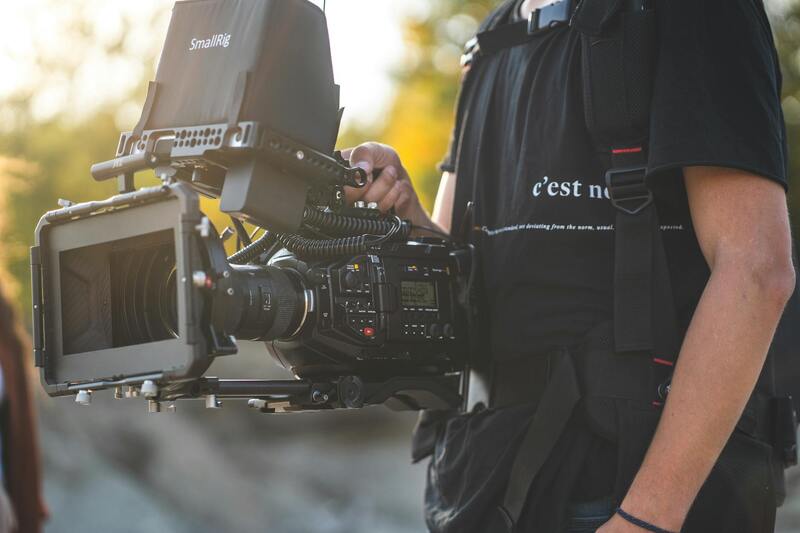
Camera setup for short, back-to-back pitches
Pitch events are fast. There is little time to reset between founders, so the camera plan has to work the same way for every pitch.
The main camera
One locked-off or lightly operated camera at the back center captures every pitch in a medium shot: the founder, a bit of the screen, and enough room for them to move. This angle is the base of every individual pitch video, and it should stay consistent so all founders get the same quality.
A close-up camera
A second camera, operated, follows the founder in a tighter frame. It catches expressions and energy, which matter in a pitch, and gives the editor something to cut to.
Judges and audience
A third camera, or a roaming operator, covers the judges' table and the audience. Judge reactions and questions are some of the most useful shots in the highlight reel. For the judges' Q&A after each pitch, this camera should be ready to catch whoever is speaking.
For smaller events, two cameras can cover it if the second operator switches between the founder close-up and the judges. Our guide to multi-camera coverage at a Miami conference covers how to split the roles.
Slides, timers and screen content
In a pitch, the slides matter. Investors watching the video later want to see the traction chart and the team slide, and a projector screen shot from the back of the room rarely reads clearly.
- Get the decks. Ask the organizer to collect final slide decks from every founder before the event, as PDF files, so the editor can insert slides cleanly.
- Record the presentation feed. If the venue switcher or presentation laptop has a video output, record it directly. This captures the slides exactly as shown, including any videos or demos.
- Watch for live demos. Founders often show an app or website live. Capture the screen feed during demos, and be ready for things to go wrong.
- Timers. Many competitions use a visible countdown. Decide with the organizer whether the timer should appear in the final video. Most founders prefer that it does not.
The technical side of this is covered in more detail in our article on filming the stage screen at a conference.
Audio for pitches and judge questions
Founders pitch on a handheld, a headset or a lav, often switching between them depending on the venue. Keep it consistent if you can. A single headset or lav that the stage manager clips on each founder before they walk up gives the cleanest, most even sound across all pitches.
The judges need microphones too, either one each or one shared handheld. Judge questions are often the most revealing part of a pitch, and they are useless in the video if the audio is a faint voice from the third row. Ask for the judges' mics on a separate channel from the stage mic. Coordinate the feeds with the venue's audio team ahead of time, as described in our guide on venue AV teams and audio feeds.
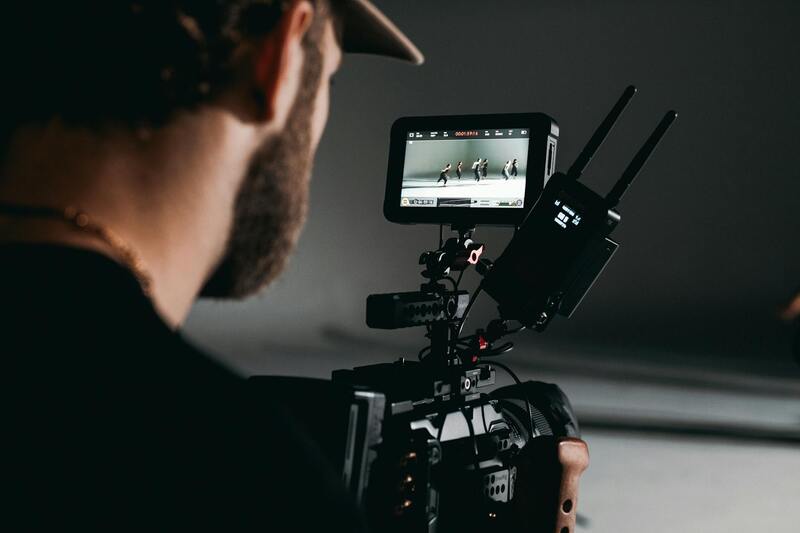
Run of show and staying on time
Pitch events rarely run on schedule. A founder's laptop will not connect, a judge asks one more question, the sponsor's welcome runs long. Ask the organizer for the final order of founders and keep a printed copy at every camera position.
- Log the start time of every pitch so the editor can split the recording quickly.
- Confirm the spelling of each founder's name and company for lower thirds, ideally from the application data.
- Know exactly when and how the winner is announced, where the winner will stand and whether there is a check, trophy or photo moment.
- Plan where to film post-announcement interviews, usually a quiet corner with a backdrop and a simple light.
The winner moment
The announcement lasts only seconds, so prepare for it like a key shot. Put one camera on the finalists, one on the presenter and one wide. Founders react fast, and the reaction is the shot everyone wants. Keep rolling through the walk to the stage, the handshake and the photo, then move straight to a short interview with the winner while the energy is still high.
Mistakes that hurt pitch videos
Most of the problems we see in pitch recordings from other events come down to a few avoidable choices.
- Changing the framing between founders. If the first pitch is a tight shot and the fifth is a wide, founders notice and compare. Keep the main camera consistent.
- Shooting the screen only from the back. Slides wash out and become unreadable. Always record the feed or insert the deck in the edit.
- Ignoring the judges. Without clean judge audio and a camera on the table, the Q&A becomes dead air in the video.
- Stopping cameras between pitches. Transitions are short, and founders sometimes start talking before the host finishes the introduction. Keep the main camera rolling and trim later.
- Leaving the winner interview for later. Once the networking starts, the winner is surrounded by people and the moment is gone.
Releases and confidentiality
Founders sometimes share details on stage that they later want removed, such as revenue figures or an unannounced partnership. Agree on a review process with the organizer before the event: who approves each pitch video, and how quickly. Make sure attendees, judges and founders know the event is filmed. Our article on attendee consent and releases for Miami event video covers the paperwork.
Filming your pitch event with Miami Event Video Pro
We film pitch competitions, demo days and startup nights for accelerators, universities and conferences around Miami. Our team plans the cameras around back-to-back pitches, records slides and audio cleanly from the venue feeds, catches the judges and the winner moment, and delivers individual pitch videos that every founder can share, along with a highlight reel the organizer can use to promote the next edition.
If you are organizing a pitch event, send us the format and number of founders, and we will put together a coverage plan and timeline. You can learn more about our team or read more event guides on our blog.